
How to Avoid Demurrage and Detention Charges
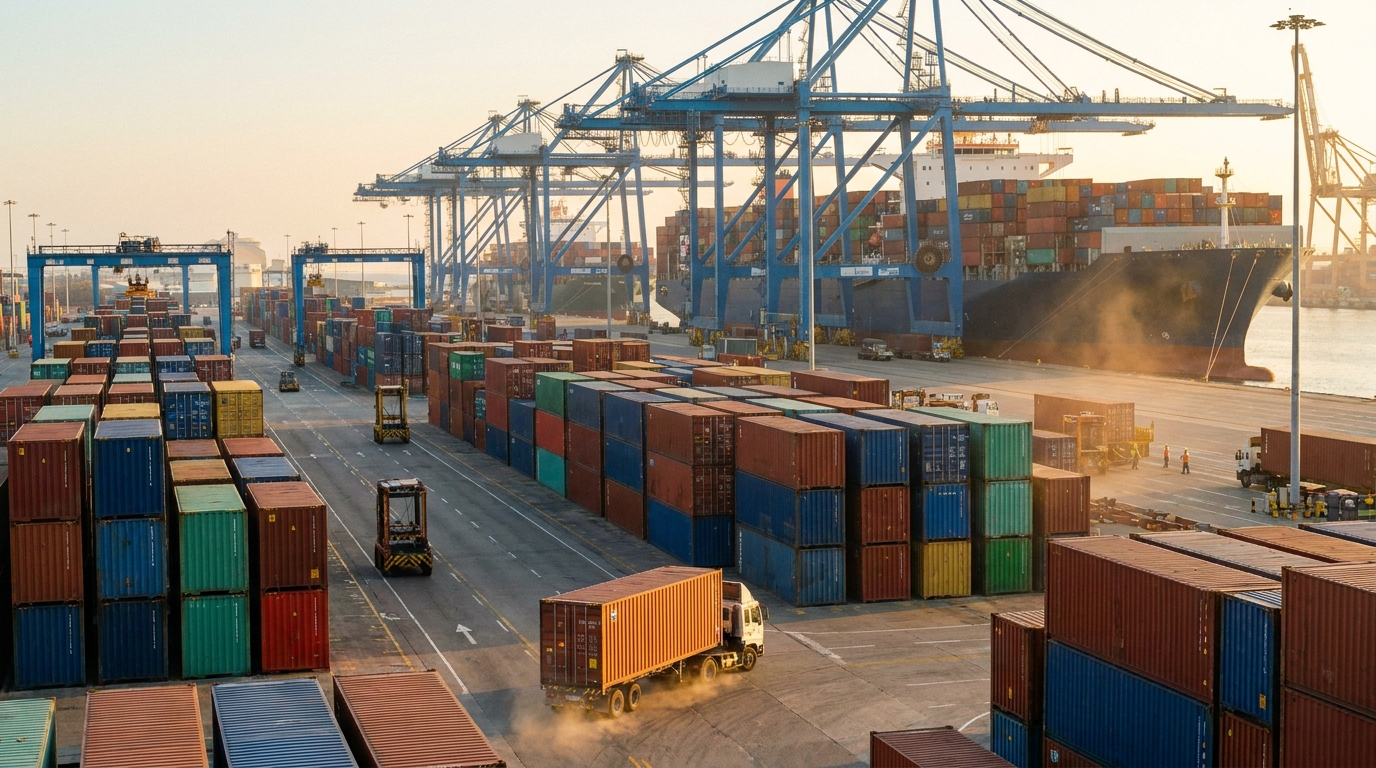
To avoid demurrage and detention charges, you have to beat two separate clocks: the demurrage clock that runs while a full import container sits inside the terminal past its free time, and the detention clock that runs once you pull the carrier's equipment and hold it too long at your warehouse. The tactics that work are practical and repeatable: pre-pull tight boxes, use drop-and-hook, keep appointments disciplined, watch each container's last free day, transload when dwell is high, get your chassis strategy right, and dispute charges that accrued for reasons outside your control.
Key takeaways
- Demurrage is billed by the ocean carrier or terminal for a full container left at the port past free time; detention is billed for holding the container and chassis outside the terminal past free time.
- The single biggest lever is visibility: know each container's last free day and monitor availability so you never lose days to a box you did not know was ready.
- Pre-pull and transloading move the box off the terminal fast to stop demurrage; drop-and-hook and fast unloading stop detention.
- Federal rules require these charges to be documented and to serve a real incentive purpose, so invalid charges from terminal closures, exam holds, or no appointments can be disputed.
What is the difference between demurrage and detention?
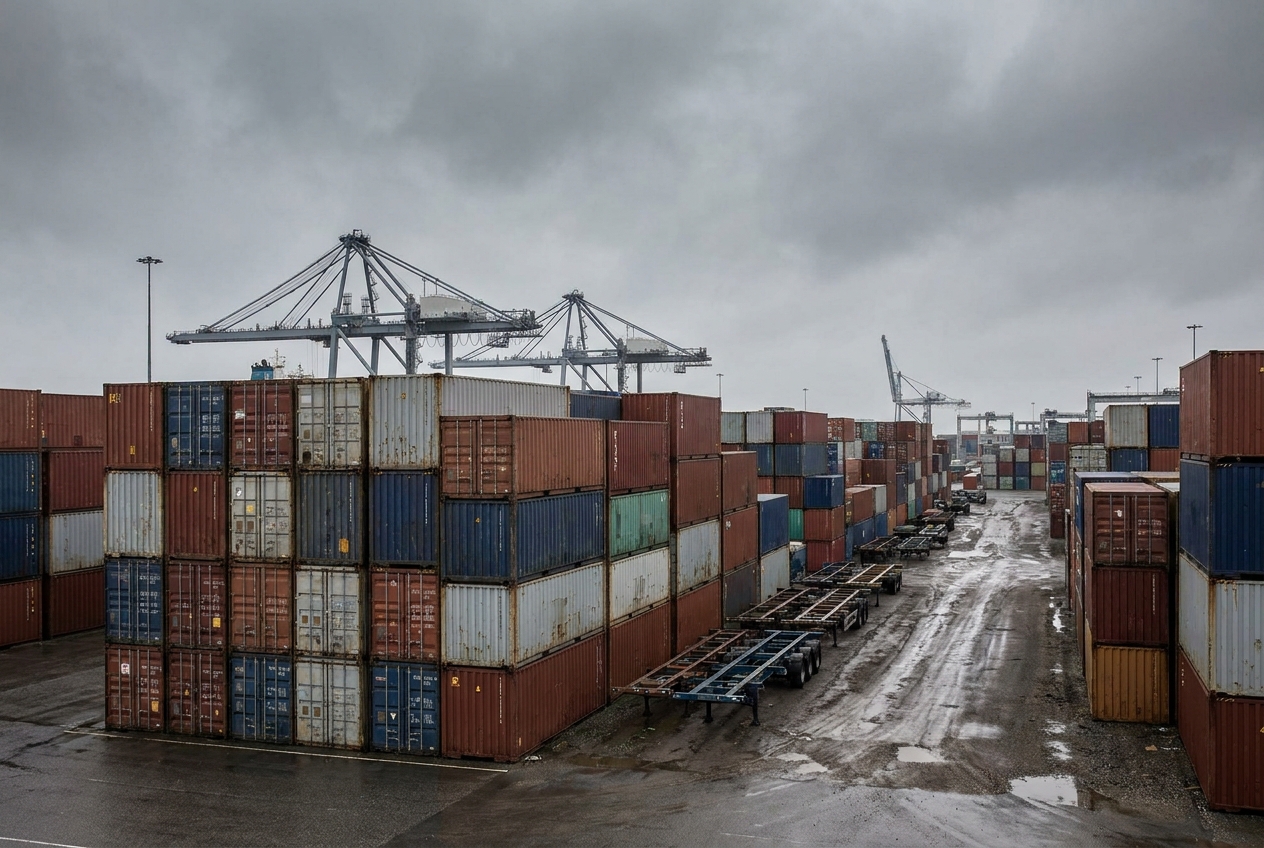
Demurrage is a charge for time; detention is a charge for equipment. Demurrage accrues when a full import container stays inside the marine terminal past its allotted free time while it waits to be picked up. Detention accrues once that container leaves the terminal and you hold the carrier's equipment, the box and often the chassis, past the free time allowed for it, typically at your dock or yard. Some carriers combine both into a single per-diem line, but the underlying trigger is different: one clock runs at the port, the other runs after the box is out. If you want the full mechanics of how each charge is calculated and billed, our guide on detention and demurrage explained breaks it down.
How do you avoid demurrage at the port?
Avoiding demurrage comes down to getting the container off the terminal before free time expires. That starts with knowing each box's last free day and its terminal availability, because a container that is discharged, cleared, and released still sits accruing charges until a trucker actually pulls it.
Practical moves that stop the demurrage clock:
- Monitor availability and last free day. Track vessel discharge, customs release, terminal hold status, and the last free day for every container. Many demurrage bills come from boxes that were available for pickup but nobody knew it.
- Pre-pull tight containers. When your warehouse cannot receive a box before free time ends, have a drayage carrier pull it and stage it at a nearby yard. You stop demurrage at the port and pay yard storage and per-diem instead, which is often cheaper once demurrage rates climb.
- Book appointments early. At appointment-based terminals, the constraint is often slot availability, not your truck. Secure appointments as soon as the box is released.
Because most demurrage exposure sits at the container port, a strong drayage provider that watches your boxes and reacts fast is the difference between a clean pickup and a five-day bill.
How do you avoid detention charges?
Detention is avoided by returning the carrier's equipment quickly once it is in your control. The two biggest levers are how fast you unload and whether the driver has to wait while you do it.
- Use drop-and-hook. Let the driver drop the loaded container and leave rather than live-unload while the meter runs. You unload on your schedule and avoid driver detention on that move.
- Unload and return empties fast. Detention and per-diem keep running until the empty container and chassis are back at the terminal or depot, so schedule labor to turn boxes the same day when possible.
- Watch empty-return restrictions. Terminals sometimes refuse empties of a given line or size. Track return windows so you are not billed for equipment you physically cannot give back.
Which tactics prevent which charge?
Not every tactic helps with both charges, and using the wrong one wastes money. This table maps each tactic to the charge it actually prevents.
| Tactic | Prevents demurrage | Prevents detention | Note |
|---|---|---|---|
| Monitor last free day and availability | Yes | Indirect | Foundation for every other move |
| Pre-pull to a staging yard | Yes | No | Shifts cost to yard storage and per-diem |
| Appointment discipline | Yes | Partial | Secures the slot to pull and to return |
| Drop-and-hook | No | Yes | Frees the driver, you unload on your clock |
| Fast unload and empty return | No | Yes | Stops per-diem sooner |
| Transloading | Yes | Yes | Returns ocean box and chassis fast |
| Chassis strategy | Indirect | Yes | Removes chassis shortages as a delay cause |
| Disputing invalid charges | Recovers | Recovers | For closures, holds, no appointments |
How does a chassis strategy reduce charges?
A chassis strategy reduces detention by making sure you always have a chassis under the box so it can move and be returned on time. A container cannot leave the terminal, get unloaded, or go back empty without one, and chassis shortages or split return locations are a common hidden driver of per-diem. Your options are the terminal or pool chassis, a chassis leased through your drayage carrier, or a chassis you own or lease directly for steady volume. If you are unclear on how the equipment fits together, our explainer on what a container chassis is covers the types and who supplies them. Higher, steadier volume tends to favor controlling your own chassis; sporadic volume usually favors pool equipment.
When does transloading help avoid demurrage and detention?
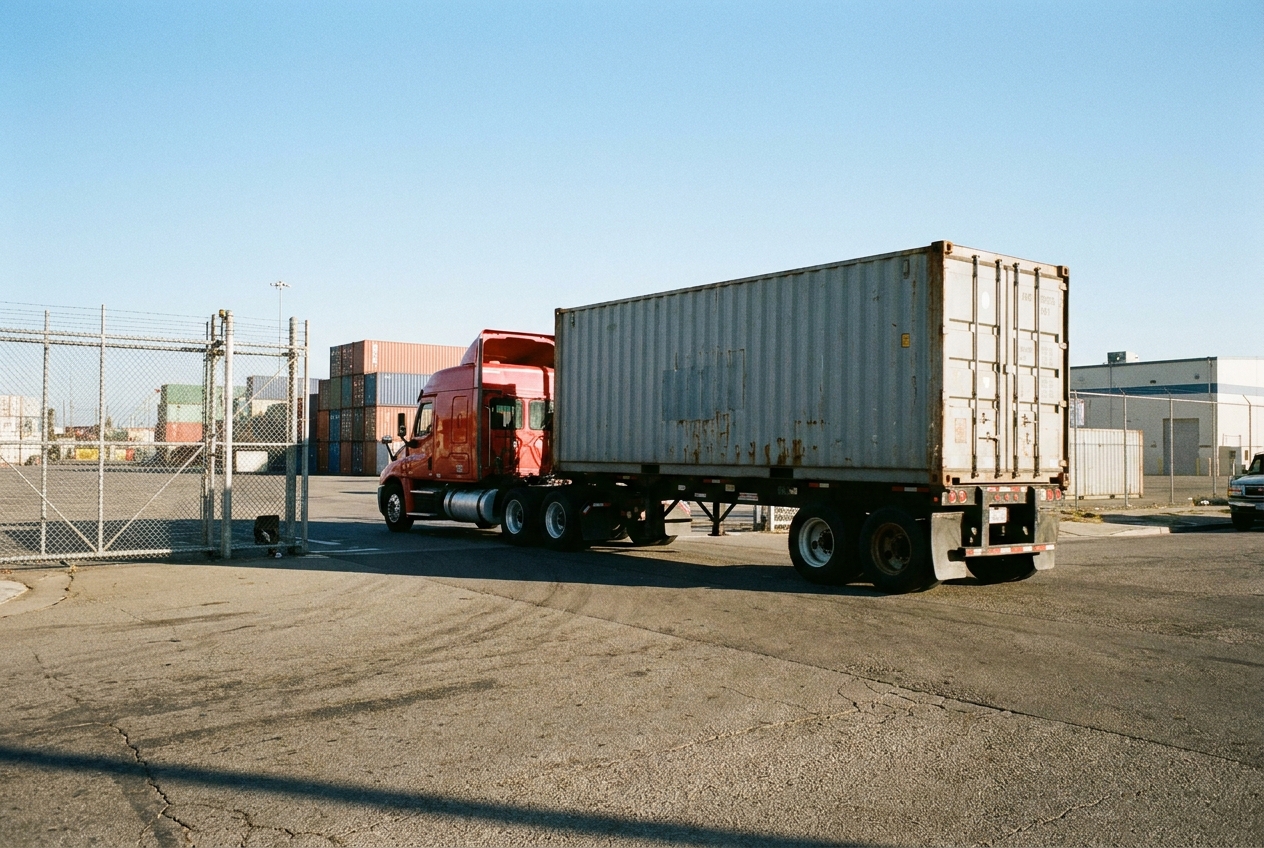
Transloading helps when free time is tight or port dwell is high, because it gets the ocean container emptied and returned fast. In a transload, workers unload the marine container into domestic 53-foot trailers or containers at a facility near the port, so the carrier's box and chassis go back within hours instead of days. That stops both clocks at once, and it usually lets you fit more cargo into fewer domestic units for the inland leg. The trade-off is an added handling step and cost, so it pays off most on long inland moves or during congestion. Our guide on what transloading is walks through when the extra handling is worth it, and if you are dealing with backed-up gates, the port congestion guide covers how dwell time inflates these charges.
How do you dispute invalid demurrage and detention charges?
You dispute a charge when it accrued for a reason you could not control. Common grounds include terminal closures or gate outages, no available pickup or return appointments, empty-return restrictions, and customs or agriculture exam holds that froze the container. Federal rules from the surface transportation regulators require detention and demurrage charges to serve a genuine incentive purpose and to be billed with clear, documented detail, which gives shippers standing to challenge charges that do not.
To make disputes work, keep the evidence: timestamps for discharge, release, and availability, screenshots of appointment systems showing no slots, terminal closure notices, and hold or exam records. A worked example: an import container shows a last free day of Tuesday, but the terminal has no truck appointments until Thursday and posts a closure on Wednesday. Two demurrage days accrue. With the appointment logs and the closure notice, those days are a strong candidate to be waived, because the delay was caused by the terminal, not by you. Treat every recurring charge as data too. If the same terminal or lane keeps generating bills, adjust your pre-pull rules or carrier there. You can compare vetted providers in the logistics company directory and model the inland leg with the container load calculator before you book.
Frequently asked questions
What is the difference between demurrage and detention?
Demurrage is charged when a full import container sits inside the terminal past its free time waiting to be picked up. Detention is charged when you keep the carrier's equipment, the container and chassis, outside the terminal past free time, usually at your warehouse. One clock runs at the port, the other runs once the box leaves it.
How much free time do you usually get before demurrage starts?
Free time varies by carrier, terminal, and contract, but import containers commonly get a few business days at the terminal before demurrage begins, and a few days of detention free time once the box is pulled. Weekends, holidays, and terminal closures may or may not count, so confirm exactly how each provider counts days.
What is a pre-pull and how does it help?
A pre-pull is pulling the container off the terminal before your warehouse is ready to unload, then staging it at a nearby yard. It stops the demurrage clock at the port. You still owe detention or per-diem while you hold the equipment, so a pre-pull trades a higher port charge for a lower yard and per-diem cost when demurrage rates exceed storage.
How does drop-and-hook reduce detention?
In drop-and-hook the driver drops the loaded container at your dock and leaves with an empty or another load instead of waiting while you unload. Because the driver is not held on site, you avoid driver detention on the appointment and can unload on your own schedule, though chassis per-diem may still accrue until the equipment is returned.
Can you dispute demurrage and detention charges?
Yes. If the charge accrued for reasons outside your control, such as a terminal closure, no available appointment, an empty-return restriction, or a customs or exam hold, you can dispute it. Federal rules require these charges to serve a real incentive purpose and to be clearly documented, so keep timestamps, appointment records, and correspondence to support a dispute.
Does transloading help avoid demurrage and detention?
Often, yes. Transloading unloads the ocean container quickly into domestic trailers near the port, which returns the carrier's box and chassis fast and stops both the demurrage and detention clocks. It adds a handling step and cost, so it pays off most when free time is tight, port dwell is high, or you are moving freight far inland.
Ready to compare providers?
Search the directory by service and location, save options to your shortlist, and send a clear RFQ.
Related guides
Carrier Vetting: How to Avoid Fraud and Bad Carriers
A step-by-step guide to carrier vetting: verify FMCSA authority and safety, confirm insurance with the insurer, spot red flags, and stop double-brokering.
Dedicated vs Common Carrier: Which Fits
How dedicated contract carriage, common carriers, and private fleets compare on cost, capacity, and commitment, and when your volume justifies dedicated.
Shipping Construction Materials to a Jobsite
How construction freight works: matching flatbed and specialized trailers to steel, lumber, pipe, and precast, plus jobsite access, oversize permits, and delivery timing.