


National Freight Hub

Find Drayage Companies in the U.S.

Find and compare drayage providers by port and rail-ramp coverage, equipment, and transload options.

224 providers listed nationwide

What Drayage Companies do

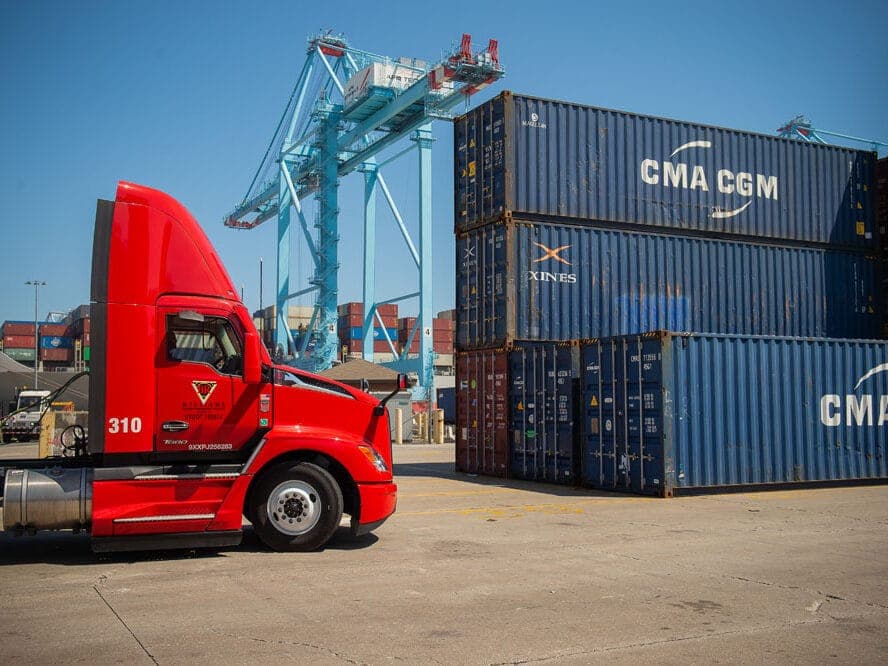
Drayage providers move containers between ports, rail ramps, warehouses, and final delivery points, the short-haul link that connects ocean and rail freight to inland destinations.

When you need this type of provider

  • You import containers and need them moved from port or rail.
  • You need transload from container to truck or warehouse.
  • You are managing appointment windows and demurrage risk.
  • You need chassis access or specialized container handling.

What to compare

  • Port or rail-ramp coverage
  • Container types handled
  • Chassis access
  • Hazmat support if available
  • TWIC requirements if applicable
  • Yard storage
  • Transload options
  • Appointment reliability
  • Detention and demurrage process

Questions to ask before requesting a quote

  • Which ports and rail ramps do you cover?
  • What container types and equipment do you handle?
  • Do you provide chassis, or is that arranged separately?
  • Do you offer yard storage and transload?
  • How do you manage appointments and demurrage risk?
  • Do you handle hazmat or overweight containers?

Drayage Companies

Featured partners

1

All providers

29

Drayage Companies by state

Related categories

Drayage Companies: frequently asked questions

What does a drayage provider do?

It moves containers over short distances between ports, rail ramps, warehouses, and delivery points, the link between ocean or rail freight and inland destinations.

How do I compare drayage companies?

Compare port and rail-ramp coverage, container types, chassis access, transload and yard options, appointment reliability, and how detention and demurrage are handled.

What information should I include in a quote request?

Share the port or ramp, container count and type, delivery destination, timing, and whether you need transload, yard storage, or hazmat handling.

What red flags should I watch for?

Be cautious about unclear chassis arrangements, vague demurrage handling, or a provider that won't confirm coverage at your specific port or ramp.