
Port Congestion: Causes and How Shippers Cope
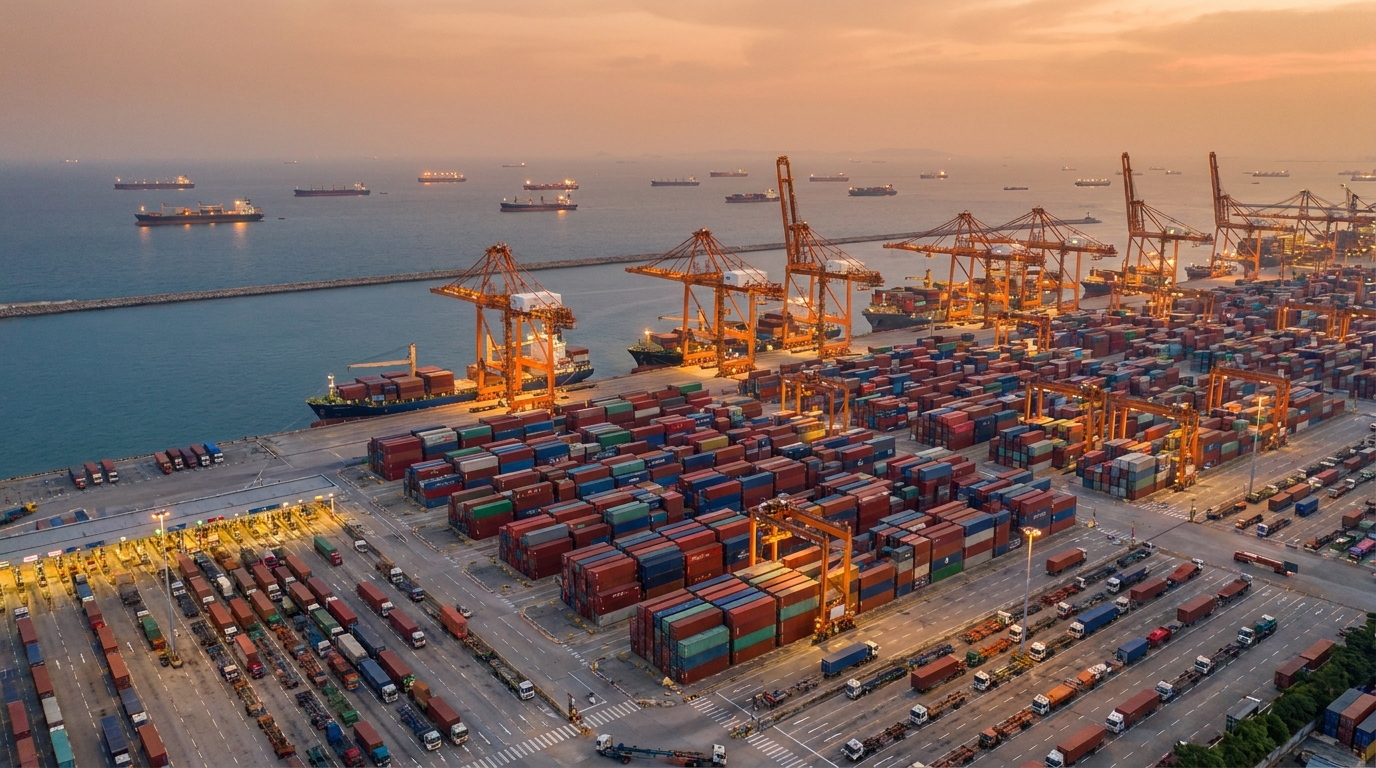
Port congestion is a backup of vessels, containers, trucks, and chassis at a marine terminal that pushes cargo through slower than it arrives. Ships wait offshore for a berth, containers dwell longer on the dock, drayage appointments get scarce, and the delay spreads inland to rail ramps and warehouses. For a shipper, port congestion rarely shows up as a headline; it shows up as a container that missed its free time and started racking up demurrage. This guide covers what causes congestion, how it turns into dwell and demurrage risk, and the concrete tactics shippers use to keep freight moving.
Key takeaways
- Port congestion happens when containers, vessels, and equipment arrive faster than a terminal can process and clear them.
- Common triggers are import surges, labor constraints, chassis and equipment shortages, vessels bunching up after schedule disruptions, and inland rail bottlenecks.
- The financial pain is mostly indirect: longer container dwell pushes boxes past free time and into per-day demurrage charges.
- Coping tactics include pre-pulling containers, booking off-peak appointments, transloading near the port, dispatching sweeper trucks, and diversifying ports of entry.
- The shippers who ride out congestion best plan buffers in advance instead of reacting once a box is already aging on the dock.
What is port congestion?
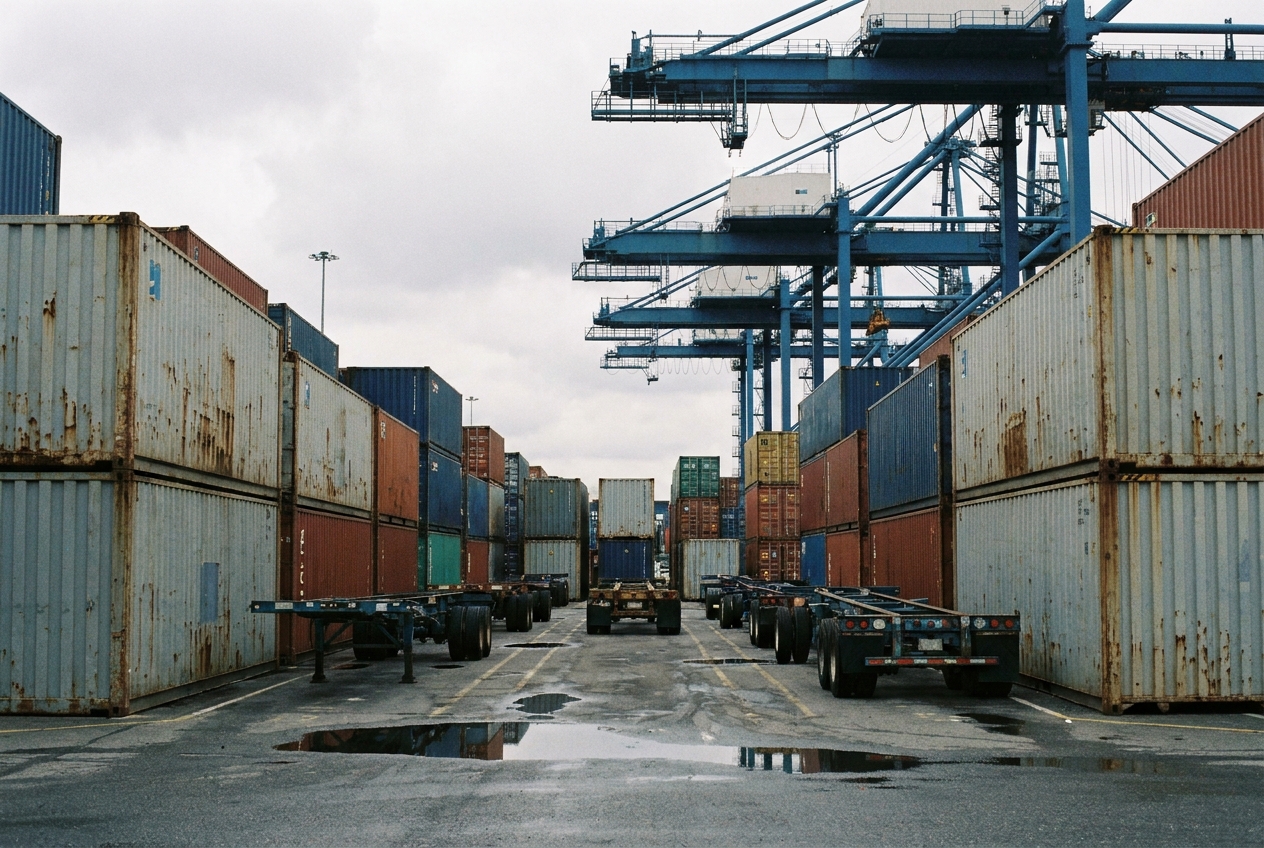
Port congestion is a state where a marine terminal cannot move cargo through at the rate it is landing, so vessels, containers, and equipment accumulate. It is a throughput problem, not a single event. A terminal has a fixed number of berths, cranes, yard slots, gate lanes, and chassis, and when demand on any one of those exceeds capacity, the whole system slows and boxes sit longer.
The clearest symptom for a shipper is rising container dwell time, the number of days a box sits on the terminal between vessel discharge and truck or rail pickup. When dwell climbs, so does the odds that a container crosses its free time and starts costing money.
What causes port congestion?
Congestion usually comes from several pressures stacking at once rather than one cause. The most common drivers are:
- Import surges. Peak season, pulled-forward orders ahead of a tariff change, or restocking after a slow stretch can land more boxes than the terminal and inland network were staffed for.
- Labor constraints. Fewer gate, crane, or yard workers, or a contract dispute, lowers how many moves a terminal completes per shift.
- Equipment and chassis shortages. A container cannot leave by truck without a chassis under it. When chassis are in short supply, dwell and mispositioning both rise, sometimes called a chassis dislocation.
- Vessel bunching. When weather, a canal delay, or a schedule reset makes several ships arrive in a tight window, discharge volume spikes far above the terminal's steady rate.
- Inland rail constraints. If rail ramps or intermodal capacity back up, import containers cannot leave the terminal by rail and pile up in the yard, which is a big driver of long dwell at gateway ports.
How does port congestion turn into dwell and demurrage risk?
Congestion becomes a cost the moment container dwell pushes a box past its free time. Free time is the grace period a terminal or carrier gives you to pick up a container before charges begin; demurrage is the per-day fee that starts once you exceed it. When a terminal is congested, you may be unable to get a drayage appointment, the chassis you need, or a truck through the gate before free time runs out, and the demurrage clock does not care that the delay was the terminal's fault.
Detention is the related charge on the equipment side, billed when you hold the container or chassis too long after pulling it. During congestion both risks rise together, because the same shortages that trap a box on the dock also make it hard to return equipment on time. Our guide on how to avoid demurrage and detention breaks down free time, dispute evidence, and prevention in detail.
Worked example: a container discharges with four days of free time. Normally your drayage provider books a next-day appointment and the box leaves on day two. Under congestion, appointments are booked out five days and no chassis is available until day six. The box now dwells past free time, and every day beyond day four bills as demurrage until it moves, on top of the drayage you still owe. The delay was outside your control, but the charge lands on your invoice.
What tactics help shippers cope with port congestion?
You cannot fix a terminal's throughput, but you can control how exposed your freight is. The table below maps common causes to the mitigations shippers actually use.
| Cause / symptom | How it shows up | Mitigation shippers use |
|---|---|---|
| Import surge / peak season | Longer dwell, appointments booked out | Pre-pull containers early; stagger bookings; add free-time buffer in the contract |
| Chassis or equipment shortage | Boxes stuck with no chassis, rising detention | Use a drayage provider with owned or pooled chassis; transload to your own trailers |
| Gate and yard bottlenecks | Trucks turned away, missed windows | Book off-peak and night appointments; dispatch sweeper trucks for aging boxes |
| Inland rail constraints | Containers waiting for rail, long dwell | Transload near the port and reship by domestic truck or a less-congested lane |
| Vessel bunching at one port | Sudden discharge spikes, anchor waits | Diversify ports of entry across coasts; split volume across sailings |
A few of these deserve a closer look. A pre-pull means pulling the container off the terminal before your delivery appointment and staging it at a nearby yard, which stops the demurrage clock and buys you scheduling flexibility. Off-peak appointments at night or on lighter days beat fighting for a crowded daytime window. A sweeper truck is a drayage move dispatched specifically to clear the boxes closest to free time first, triaging by demurrage exposure. These are all drayage moves, so the quality and capacity of your drayage partner is often what decides whether congestion costs you money.
How does transloading reduce port congestion exposure?
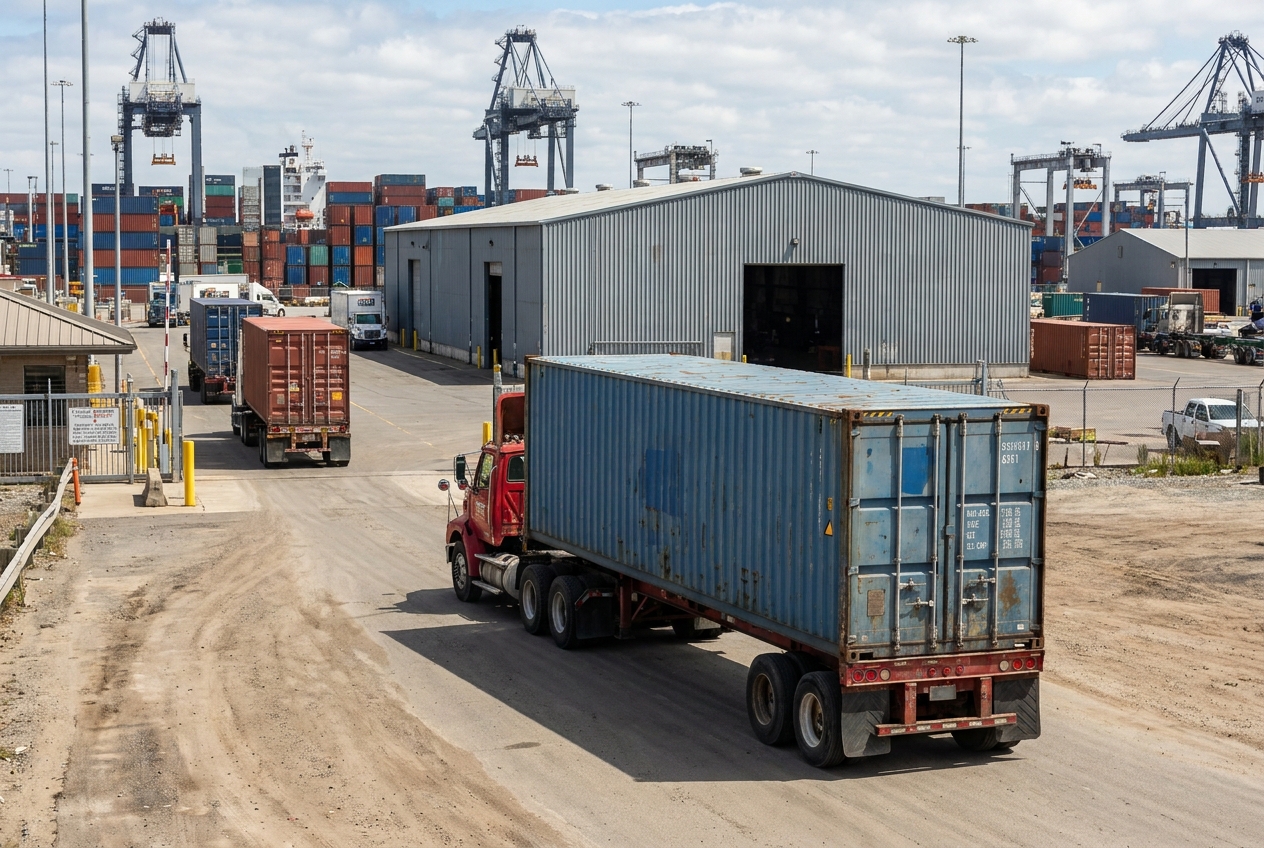
Transloading moves cargo out of the ocean container into domestic trailers at a facility near the port, so the marine box is emptied and returned quickly instead of traveling inland full. During congestion this matters twice: it frees you from chassis dependence for the long inland leg, and it gets the container back to the terminal faster, cutting detention risk. It also lets you consolidate or reship cargo on less-congested trucking lanes. Our explainer on what transloading is walks through when it pays off versus shipping the container straight through.
The trade-off is an extra handling step and its labor cost, so transloading tends to make sense when inland distance is long, chassis are tight, or you are pulling from a gateway port with heavy rail backups. If you want to compare the fully loaded cost of routing options, the landed cost calculator helps you weigh terminal, drayage, and inland charges together.
Does diversifying ports of entry actually help?
Spreading volume across more than one port reduces the chance that a single terminal's backup strands all your freight, and it gives you a fallback when one gateway bunches up. It is one of the more durable defenses because it attacks concentration risk rather than reacting to a delay already underway.
It is not free, though. A smaller or alternate port may have thinner drayage capacity, fewer intermodal rail options, and longer inland transit to your warehouses, so a lower terminal wait can be offset by higher inland cost. Evaluate the whole lane, and confirm your carriers have real capacity there. You can start comparing providers by mode on the drayage companies directory, and check federal freight and port throughput data from the Bureau of Transportation Statistics before committing volume to a new gateway.
How do you build a port congestion contingency plan?
The shippers who handle congestion well decide their moves before a box is aging on the dock. A workable plan covers a few things: negotiate more free time into contracts on lanes with a history of backups; line up a drayage partner with owned or pooled chassis and clear sweeper-truck availability; pre-arrange a transload option near your primary port; and split volume across ports and sailings so no single terminal holds all your risk.
Keep dated records too. If a container was genuinely unavailable for pickup because of a terminal or equipment failure, that documentation is what supports a demurrage dispute or waiver request later. Because drayage carriers must hold active operating authority, you can verify a provider's standing through the FMCSA before you route freight to them. When you are ready to line up backup capacity, you can shortlist and compare providers across the network on National Freight Hub.
Frequently asked questions
What is port congestion in simple terms?
Port congestion is when containers, vessels, trucks, and chassis pile up at a marine terminal faster than the terminal can process them. Ships wait at anchor, boxes sit on the dock longer, and the delay ripples inland to rail and trucking.
How does port congestion cause demurrage charges?
Demurrage is a per-day fee the terminal charges once your container sits past its free time. When congestion stretches the time a box waits to be picked up, that dwell can push past free time and trigger demurrage even when the delay is outside your control.
What is a pre-pull and why does it help?
A pre-pull is pulling a container off the terminal before your final delivery appointment and staging it at a nearby yard. It stops the demurrage clock and protects you from a missed terminal window on the day you actually need the freight.
Does shipping through a smaller port avoid congestion?
Sometimes. Routing volume to a less-crowded port can cut dwell, but smaller ports may have thinner drayage capacity, fewer rail options, and longer inland transit. Compare total landed cost and reliability, not just terminal wait times.
What is a sweeper truck at a container terminal?
A sweeper is a drayage move dispatched specifically to clear containers that are aging toward or past free time. Shippers and 3PLs use sweeper trucks during congestion to pull the most demurrage-exposed boxes first.
Can I get demurrage waived during severe congestion?
Sometimes. If a container was unavailable for pickup because of terminal or equipment problems, you can dispute the charge and request a waiver with dated evidence. Approval is never guaranteed, so build congestion buffers into your plan rather than relying on disputes.
Ready to compare providers?
Search the directory by service and location, save options to your shortlist, and send a clear RFQ.
Related guides
Carrier Vetting: How to Avoid Fraud and Bad Carriers
A step-by-step guide to carrier vetting: verify FMCSA authority and safety, confirm insurance with the insurer, spot red flags, and stop double-brokering.
Dedicated vs Common Carrier: Which Fits
How dedicated contract carriage, common carriers, and private fleets compare on cost, capacity, and commitment, and when your volume justifies dedicated.
Shipping Construction Materials to a Jobsite
How construction freight works: matching flatbed and specialized trailers to steel, lumber, pipe, and precast, plus jobsite access, oversize permits, and delivery timing.