
Carrier Vetting: How to Avoid Fraud and Bad Carriers

Carrier vetting is the process of verifying a motor carrier's operating authority, safety record, and insurance before you hand it a load. Do it well and you screen out unsafe operators and outright fraud; skip it and you risk a stolen shipment, a double-brokered load you pay for twice, or a claim with no insurance behind it. The core of good carrier vetting is simple: confirm the carrier is real and authorized on the Federal Motor Carrier Safety Administration's records, confirm the insurance is active by going to the insurer directly, and match the company you booked to the truck that actually shows up.
Key takeaways
- Verify every carrier's MC or DOT number on FMCSA's SAFER system, and confirm the authority is active with no out-of-service orders.
- Confirm insurance by calling the agent on the certificate directly, not by trusting an emailed PDF.
- Recently granted authority, VoIP-only phone numbers, and mismatched contact details are common fraud red flags.
- Match the tendered company to the truck and driver that arrive to defend against double-brokering.
- Re-vet existing carriers at least yearly and whenever a policy or authority is set to change.

What is carrier vetting and why does it matter?
Carrier vetting is the due diligence a shipper or broker does to confirm a motor carrier is legitimate, insured, and safe before tendering freight. It matters because the freight market is a common target for fraud, and a bad match costs real money. An unauthorized or under-insured carrier can leave you holding an uncovered cargo claim. A fraudulent one can take possession of your load and disappear, or re-broker it in ways that trigger double-payment demands and cargo liens. Vetting is the cheapest insurance you have against those outcomes, and it takes minutes per carrier once you have a repeatable process.
How do you verify a carrier's operating authority and safety rating?
Start with the carrier's MC or DOT number and look it up on FMCSA's public SAFER system. Confirm the operating authority is listed as active, the entity type matches how the load is being handled (a carrier hauling with its own trucks versus a broker arranging transport), and there are no out-of-service orders. Check the legal name and physical address against what the carrier put on its rate confirmation and packet. Review the safety rating and the crash and inspection history in the Safety Measurement System. A rating of Conditional or Unsatisfactory, or a pattern of out-of-service violations, is a reason to ask hard questions before you book. The same authority-verification discipline applies when you work through an intermediary, which is why understanding freight broker authority and bonds matters alongside carrier checks.
How do you confirm a carrier's insurance is real and active?
Never rely on a certificate of insurance that lands in your inbox as a PDF. Documents are easy to edit, and an expired or canceled policy can still look valid on paper. Instead, take the agent or brokerage named on the certificate and call them directly using a number you confirm independently, not only the one printed on the document. Verify that the auto liability policy is active and confirm the cargo coverage limit and that it applies to your commodity, since many cargo policies exclude high-value electronics, reefer loads, or specific goods. Ask to be added as a certificate holder so you are notified if the policy lapses. FMCSA also tracks required insurance filings, so a carrier showing an insurance gap in its authority record is a warning worth resolving before you tender.
What are the red flags of a fraudulent or high-risk carrier?
Fraud rarely announces itself, but it leaves a pattern. Authority granted within the last few months paired with an eagerness to haul high-value freight is a common setup. Watch for a phone number that is VoIP-only or a personal cell rather than a business line, an email on a free or mismatched domain that does not match the company name, and a mailing address that does not line up with FMCSA records. Pressure to skip the carrier packet, reluctance to share insurance details, and a rate that is well below market are all signals. One red flag warrants questions; several together are a reason to walk. The same instinct that makes you probe a hauler applies to the intermediaries you use, so it helps to know the right questions to ask a long-haul trucking company before committing.
How do you prevent double-brokering and freight fraud?
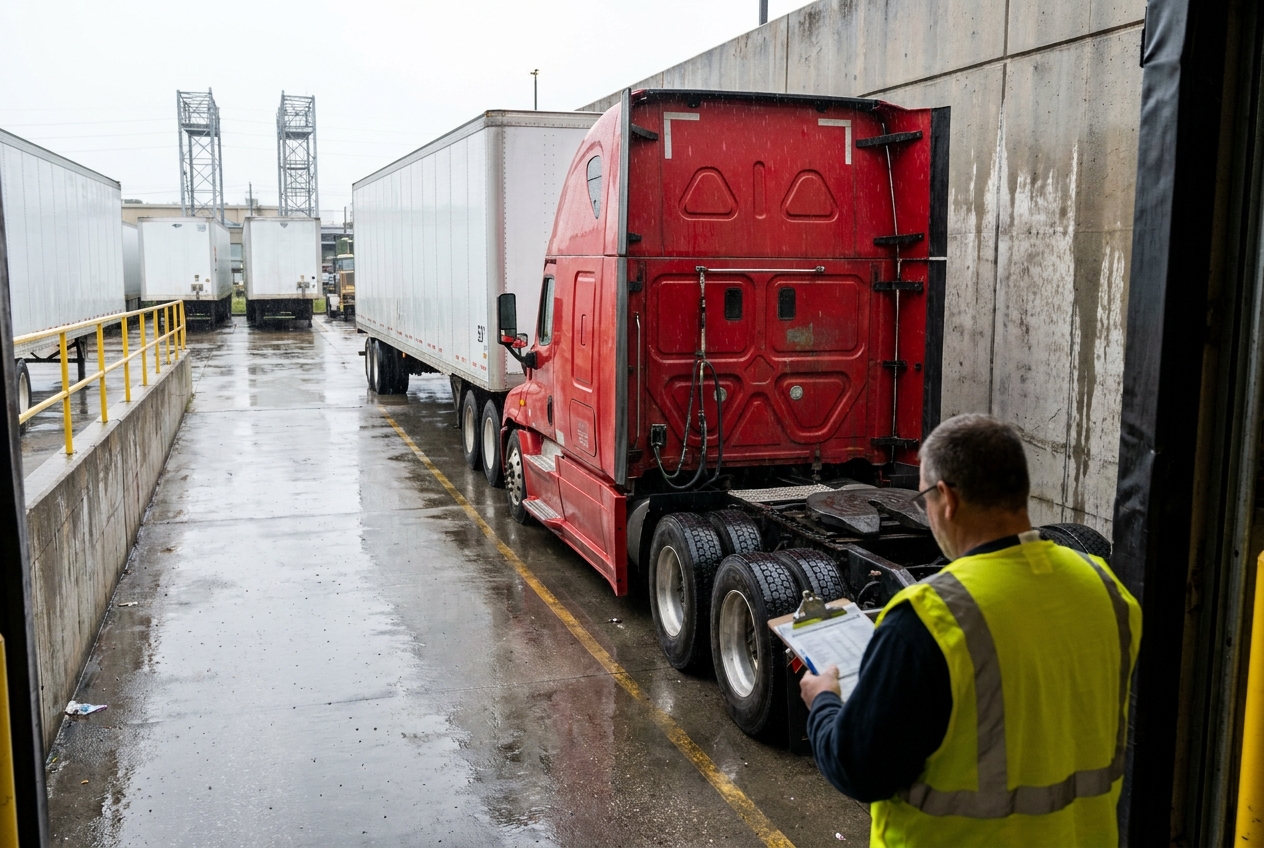
Double-brokering happens when a party you booked as the hauling carrier quietly re-brokers your load to a different carrier without authorization. The real hauler may never get paid, may place a lien on your freight, or the load may vanish entirely. The single strongest defense is verification at pickup: confirm the driver name, tractor and trailer numbers, and carrier identity that arrive match the company you actually tendered to. Use a carrier packet with signed rate confirmations, require that the entity on the invoice matches the entity on the authority, and be wary of last-minute requests to change remittance details or reassign the load. If you book through a broker rather than direct, apply the same rigor to that relationship, which is where a clear process for how to choose a freight broker pays off.
What does a carrier vetting checklist look like?
A repeatable checklist turns vetting into a two-minute habit instead of a judgment call under pressure. The table below pairs each step with what it confirms and the red flag it is designed to catch.
| Vetting step | What it confirms | Red flag to catch |
|---|---|---|
| Look up MC/DOT on FMCSA SAFER | Authority is active and entity type is correct | Inactive, revoked, or broker authority posing as a carrier |
| Check date authority was granted | Operating history and stability | Authority granted within the last few months |
| Review safety rating and inspection history | Safety and compliance track record | Conditional or Unsatisfactory rating, out-of-service pattern |
| Call the insurer or agent directly | Auto liability and cargo coverage are active | Emailed PDF only, expired policy, commodity excluded |
| Verify phone, email, and address | Contact details match FMCSA records | VoIP-only number, mismatched email domain or address |
| Match truck and driver at pickup | The tendered carrier is the one hauling | Different carrier name, re-brokered load, remittance change |
What does vetting look like on a real tender?
Say a broker offers to cover a same-day load of consumer electronics valued at 90,000 dollars. The rate looks strong and the carrier is ready to roll. Before booking, you pull the MC number on SAFER and find the authority was granted eleven weeks ago, the contact number is a VoIP line, and the email domain does not match the company name on the authority. None of those alone is proof of fraud, but together they justify slowing down. You call the insurer listed on the certificate directly and learn the cargo policy caps coverage at 50,000 dollars and excludes electronics. That single call just saved you from a 40,000 dollar uncovered exposure, and it is a cleaner outcome than discovering the gap after a theft. You either require higher cargo coverage in writing or route the load to a vetted carrier instead.
What should you do before every tender?
Make vetting a gate, not an afterthought. Before every load, confirm active authority on FMCSA, verify insurance with the insurer, screen the contact details for red flags, and match the carrier at pickup. Re-check authority and insurance for existing partners at least annually and whenever a policy is about to expire or a carrier changes its MC or DOT number. Keep your carrier packets and rate confirmations on file so you can trace any load back to the entity you actually booked. When you are building a shortlist of providers to compare, you can start from vetted, categorized options in the freight brokerage directory or search the full logistics company directory and apply this same checklist to each candidate.
Frequently asked questions
What is carrier vetting?
Carrier vetting is the process of verifying a motor carrier's active operating authority, safety record, and insurance before you tender freight to it. The goal is to confirm the carrier is legitimate, financially covered, and safe to haul your load, and to screen out fraudulent or high-risk operators.
How do I check if a carrier's authority is active?
Look up the carrier's MC or DOT number on FMCSA's SAFER system. Confirm the operating authority shows as active, the entity type matches how the carrier is being tendered (carrier vs. broker), and there are no out-of-service orders. Treat authority granted within the last six months as a reason for extra scrutiny.
Should I trust a certificate of insurance a carrier emails me?
Not on its own. A PDF can be edited or expired. Call the insurance agent or broker listed on the certificate directly, using a number you find independently, and confirm the policy is active, the coverage limits, and that cargo coverage applies to your commodity. Ask to be added as a certificate holder.
What is double-brokering?
Double-brokering is when a party accepts your load as the hauling carrier, then secretly re-brokers it to a different carrier without authorization. It creates fraud and non-payment risk: the real hauler may never get paid, may place a lien on your freight, or the load may disappear. Matching the tendered entity to the truck that actually shows up is the main defense.
What are the biggest red flags when vetting a carrier?
Recently granted authority, a VoIP-only or cell-only phone number, an email domain that does not match the company name, pressure to skip paperwork, a name or address that does not match FMCSA records, and reluctance to provide insurance details. Any single one warrants questions; several together are a reason to walk.
How often should I re-vet a carrier I already use?
Re-check authority and insurance at least annually, and again any time a policy is set to expire, the carrier changes its MC or DOT number, or its safety rating shifts. Ongoing monitoring services can flag authority revocations and insurance lapses between manual checks.
Ready to compare providers?
Search the directory by service and location, save options to your shortlist, and send a clear RFQ.
Related guides
Dedicated vs Common Carrier: Which Fits
How dedicated contract carriage, common carriers, and private fleets compare on cost, capacity, and commitment, and when your volume justifies dedicated.
Shipping Construction Materials to a Jobsite
How construction freight works: matching flatbed and specialized trailers to steel, lumber, pipe, and precast, plus jobsite access, oversize permits, and delivery timing.
Trade Show Shipping and Material Handling
How trade show shipping works, from advance warehouse vs show-site delivery to drayage fees, targeted move-in times, paperwork, and return freight.