
What Is a Container Chassis? Pools and Per Diem
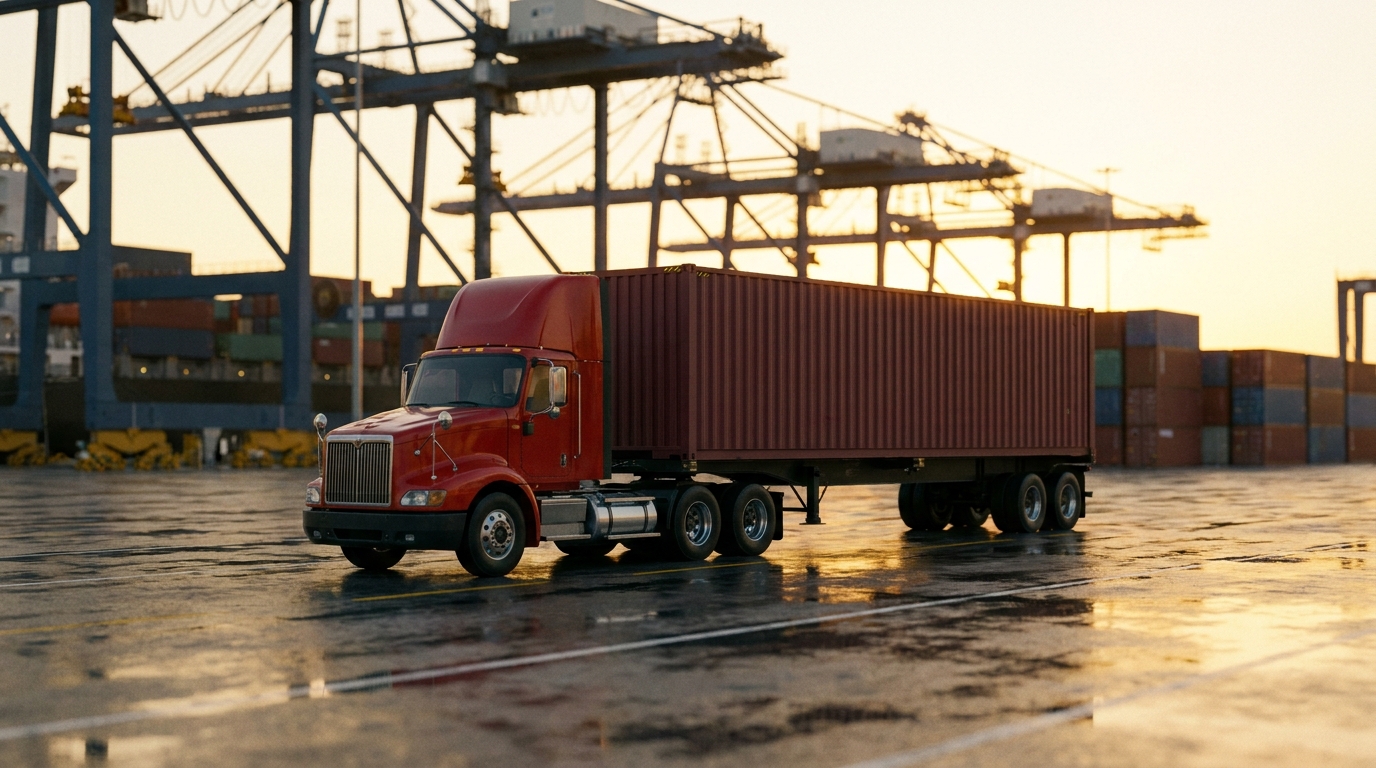
A container chassis is the wheeled steel frame that a truck uses to haul an ocean container over the road. It has no walls or floor of its own; the container is the box, and the chassis supplies the axles, wheels, brakes, lights, and twist locks that hold the container in place. Without an available container chassis, a loaded box cannot leave the port or rail ramp, which is why chassis supply quietly drives a large share of drayage delay and cost. This guide covers what a chassis is, who provides it, and how per diem and chassis splits land on your invoice.
Key takeaways
- A container chassis is a wheeled frame that carries a 20, 40, or 45 foot ocean container by road; the box and frame move as one unit behind the tractor.
- Chassis come from three main sources: motor-carrier owned, a shared pool, or a gray pool. Who supplies it decides who pays and who controls availability.
- Chassis usage, usually billed as per diem, is charged per day after any free time, much like container demurrage but for the frame.
- A chassis split, where the container and chassis sit in different locations, adds an extra trip and a fee to a drayage move.
- Chassis shortages at busy ports stall pickups and stack up per diem and detention, so availability belongs in every drayage quote conversation.
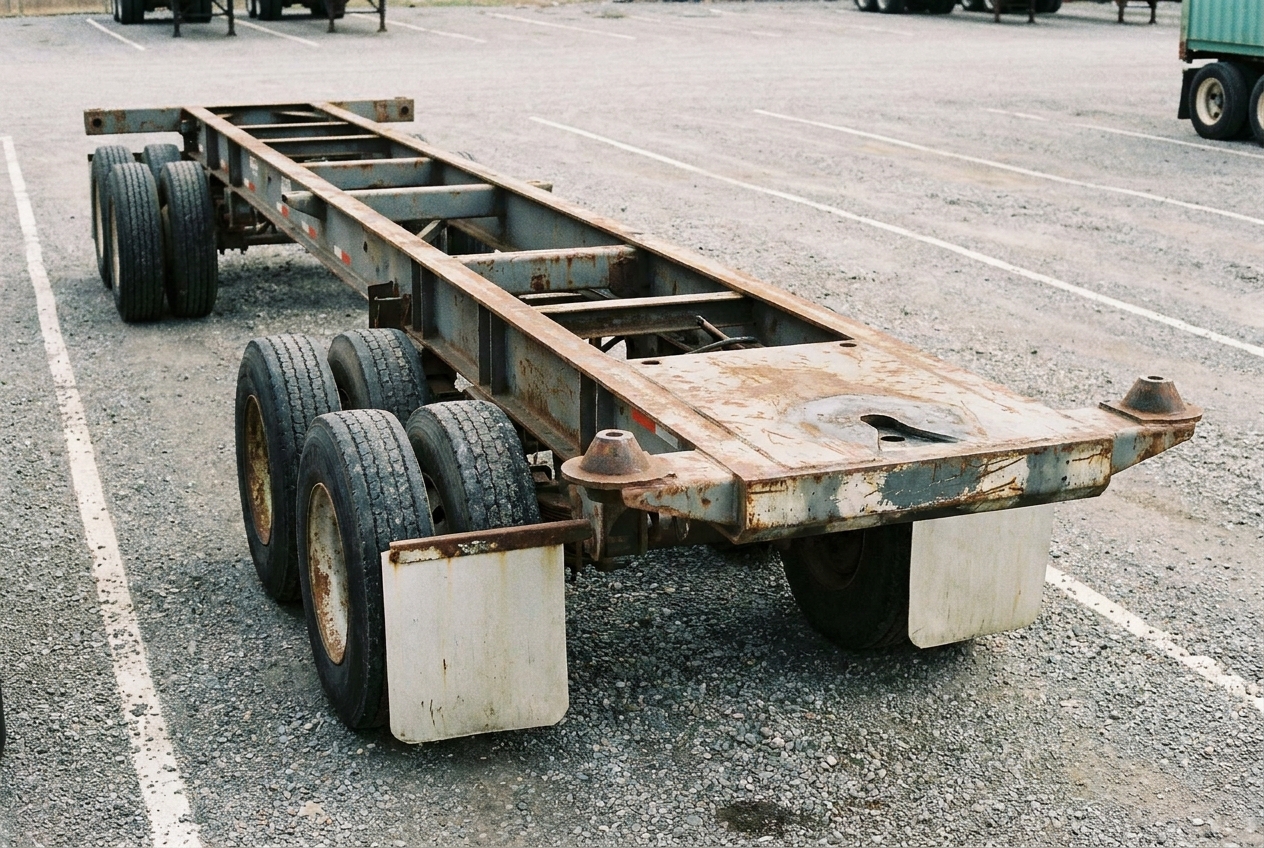
What is a container chassis and how does it work?
A container chassis is a wheeled trailer frame built to carry one ocean container on public roads. Once a container is set onto it by a crane or top handler, the four corner twist locks are engaged, a tractor connects to the chassis kingpin, and the tractor, chassis, and container move together as a standard semi. Pulling containers from a port or rail ramp to a nearby warehouse is the core of drayage, the short-haul trucking that connects marine terminals to inland destinations.
The chassis is legally a piece of highway equipment, so it has to be roadworthy: tires, brakes, and lights are inspected and maintained under federal intermodal equipment rules. The company that supplies the chassis is responsible for keeping it compliant, and drivers can refuse a unit with defects. The FMCSA sets the roadability standards that intermodal equipment providers must meet.
What sizes and types of chassis are there?
Chassis are sized to the container they carry, and the wrong size means the box will not lock down. The common types are:
- Standard 20, 40, and 45 foot chassis for dry containers.
- Slider or extendable chassis that adjust to carry either a 20 or 40 foot box, useful for mixed fleets.
- Tri-axle chassis rated for heavier import loads that would exceed axle weight limits on a standard two-axle frame.
- Genset-equipped chassis that carry a diesel generator to power a refrigerated (reefer) container in transit.
Matching the chassis to the container and the load weight matters before you dispatch, because an overweight import box on a standard chassis can put an axle over legal limits.
Who provides the chassis?
Three provisioning models dominate, and the model decides who controls availability and who pays. In a motor-carrier owned setup, the trucker owns or long-term leases its own chassis and bundles the cost into the drayage rate. In a chassis pool, a leasing company or cooperative stages a shared fleet at a terminal; truckers pull a unit, use it, and return it, and usage is billed per day. In a gray pool (also called a neutral or interoperable pool), several leasing companies contribute chassis to one combined fleet so any participating trucker can grab any chassis and return it at any participating site.
| Provisioning model | Who supplies the chassis | Who controls availability | How it is billed | Main trade-off |
|---|---|---|---|---|
| Motor-carrier owned | The drayage carrier (owned or leased) | The carrier | Usually bundled into the drayage rate | Best control and reliability, but limited to that carrier's equipment and lanes |
| Chassis pool | One leasing company or co-op | The pool operator at that terminal | Per-day usage charge, often passed through to the shipper | Wide access, but you depend on pool inventory and free-time terms |
| Gray pool | Multiple leasing companies combined | The neutral pool manager | Per-day usage, interoperable across providers | Most flexible interchange, but quality and supply vary by contributor |
Which model applies to your freight is worth asking a carrier about directly. If you are comparing options, the providers on the drayage carrier category handle port and ramp pulls under all three models.
What is a chassis split and why does it cost more?
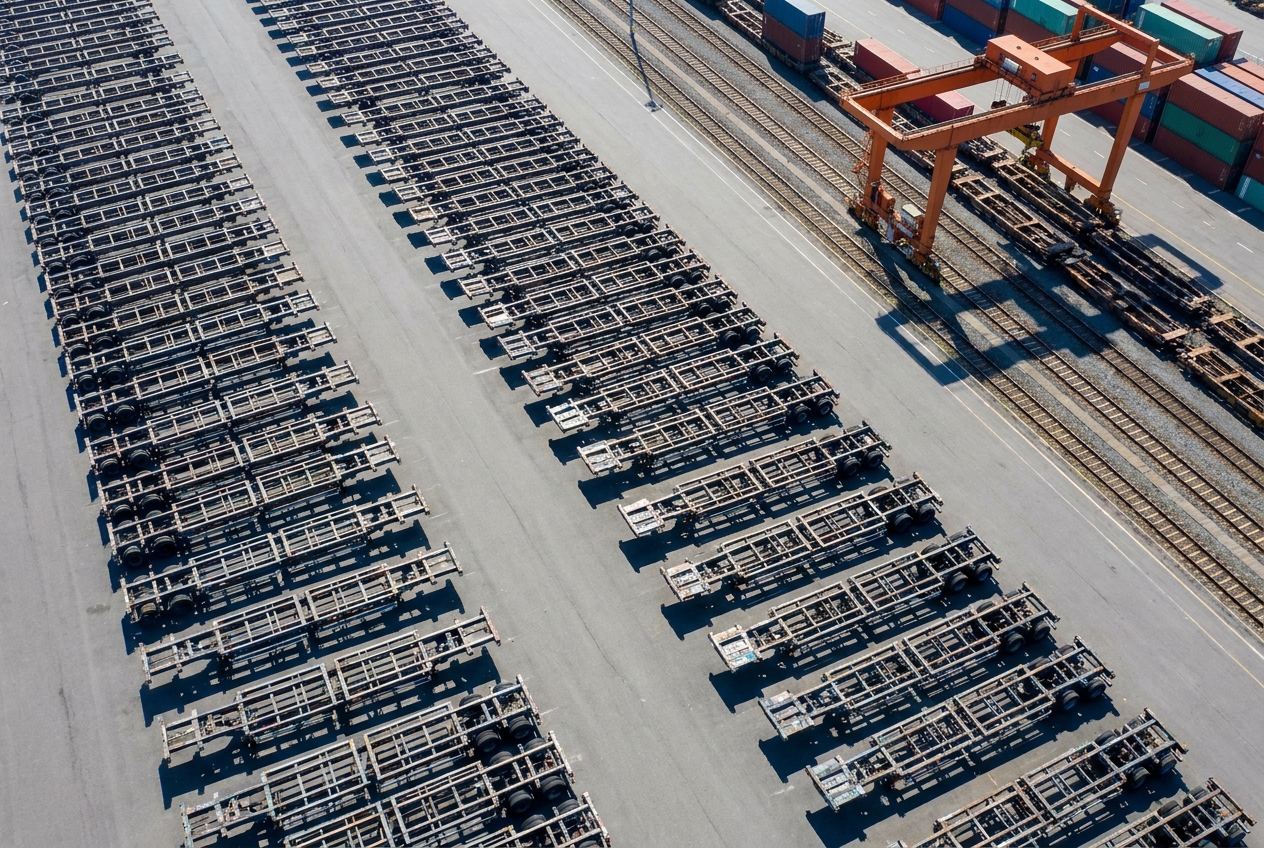
A chassis split happens when the container and an available chassis are not in the same place, so the driver has to make a separate stop to get a chassis before picking up the box. The pool lot might be across town from the terminal, or the terminal might be out of the size you need. Either way, the split adds a bobtail trip, extra driver time, and frequently a flat split fee per move, and on a tight day it can cause a missed appointment that cascades into more waiting. Splits are a common surprise line item on a drayage invoice, so it is fair to ask a carrier how often a given lane requires one.
How do chassis per diem and free time work?
Chassis per diem is a daily usage charge for the time you keep the chassis out beyond any free days in the pool agreement. It behaves like container detention, but it applies to the frame instead of the box, and both clocks can run at the same time while a container sits at your dock waiting to be unloaded. Pools typically include a handful of free days, then bill each additional day, so slow unloading or a delayed return quietly runs up the bill.
Because the chassis charge and the ocean carrier's container charge are separate, it helps to understand both. Our guide to detention and demurrage explained breaks down the container side, and the sibling guide on how to avoid demurrage and detention covers the moves that keep both clocks short. A landed cost calculator is a useful place to fold these usage charges into your true per-shipment cost.
A worked example
Say you import a 40 foot container and pull it from a gray pool that includes five free chassis days. The box clears customs quickly, but your warehouse takes eight days to unload and return the empty. You burn the five free days, then pay three days of chassis per diem on top of any container detention the ocean carrier bills for the same period. Nothing went wrong at the port; the cost came purely from how long the equipment sat. Shaving two days off the unload would have cut the per diem exposure by roughly two-thirds.
How does chassis availability cause drayage delays and cost?
When a port, ramp, or pool runs short of chassis, containers cannot be pulled even after they clear customs, so free time keeps burning while the box sits on the terminal. That triggers demurrage on the container and can force the trucker into a split to find a frame elsewhere, adding per diem and detention. Chassis crunches hit hardest during import surges, when the same wave of boxes ties up frames longer at every warehouse. National port container volumes reported by the Bureau of Transportation Statistics track those seasonal peaks, which is when chassis supply gets tightest. If you are planning ocean freight into a busy gateway, plan the inland leg alongside it, the way our overview of intermodal shipping lays out.
How can you keep chassis costs down?
You control less of the chassis chain than the ocean carrier does, but a few habits keep the charges in check:
- Ask which provisioning model a lane uses before you book, and how often it forces a split.
- Confirm free days and the per diem rate for the pool at your port, and track the return date, not just the pickup.
- Turn boxes fast at the dock. Faster unloading is the single biggest lever on both chassis per diem and container detention.
- Right-size the chassis to the container and weight so an overweight box does not get turned away at the gate.
- Compare drayage carriers on chassis access, not just line-haul rate, since a carrier with owned equipment may avoid splits a pool-dependent carrier cannot.
When you are ready to line up port and ramp trucking, you can compare drayage providers on National Freight Hub and ask each one how they source chassis in your gateway.
Frequently asked questions
What is a container chassis in simple terms?
A container chassis is a wheeled steel frame that a truck uses to carry a single ocean shipping container over the road. The container locks onto the frame with twist locks, and a tractor pulls the whole assembly like a standard semi-trailer.
What is the difference between a chassis pool and a gray pool?
A chassis pool is a shared fleet supplied by one leasing company or cooperative at a terminal. A gray pool (also called a neutral or interoperable pool) combines chassis from multiple leasing companies into one fleet, so any participating trucker can pull any chassis and drop it at any participating location.
What is a chassis split?
A chassis split is when the container and an available chassis are not in the same place, so the trucker has to make a separate trip to pick up a chassis before or after getting the box. It adds driver time, an extra move, and often a split fee to the drayage bill.
What is chassis per diem?
Chassis per diem is a daily usage charge for the time you keep the chassis out beyond any free days included in the pool agreement. It works like container detention but applies to the frame rather than the box, and both clocks can run at once.
Who pays for the chassis on an import move?
It depends on the provisioning model. If the motor carrier owns the chassis, the cost is usually bundled into the drayage rate. If it comes from a pool or gray pool, the usage charge is billed separately and typically passed through to the beneficial cargo owner.
How do chassis shortages cause drayage delays?
When a port or pool runs short of chassis, containers cannot be pulled even after they clear customs. Free time keeps burning while the box sits, which triggers demurrage and drives up per diem and detention across the move.
Ready to compare providers?
Search the directory by service and location, save options to your shortlist, and send a clear RFQ.
Related guides
Carrier Vetting: How to Avoid Fraud and Bad Carriers
A step-by-step guide to carrier vetting: verify FMCSA authority and safety, confirm insurance with the insurer, spot red flags, and stop double-brokering.
Dedicated vs Common Carrier: Which Fits
How dedicated contract carriage, common carriers, and private fleets compare on cost, capacity, and commitment, and when your volume justifies dedicated.
Shipping Construction Materials to a Jobsite
How construction freight works: matching flatbed and specialized trailers to steel, lumber, pipe, and precast, plus jobsite access, oversize permits, and delivery timing.