
What Is Final Mile Delivery?
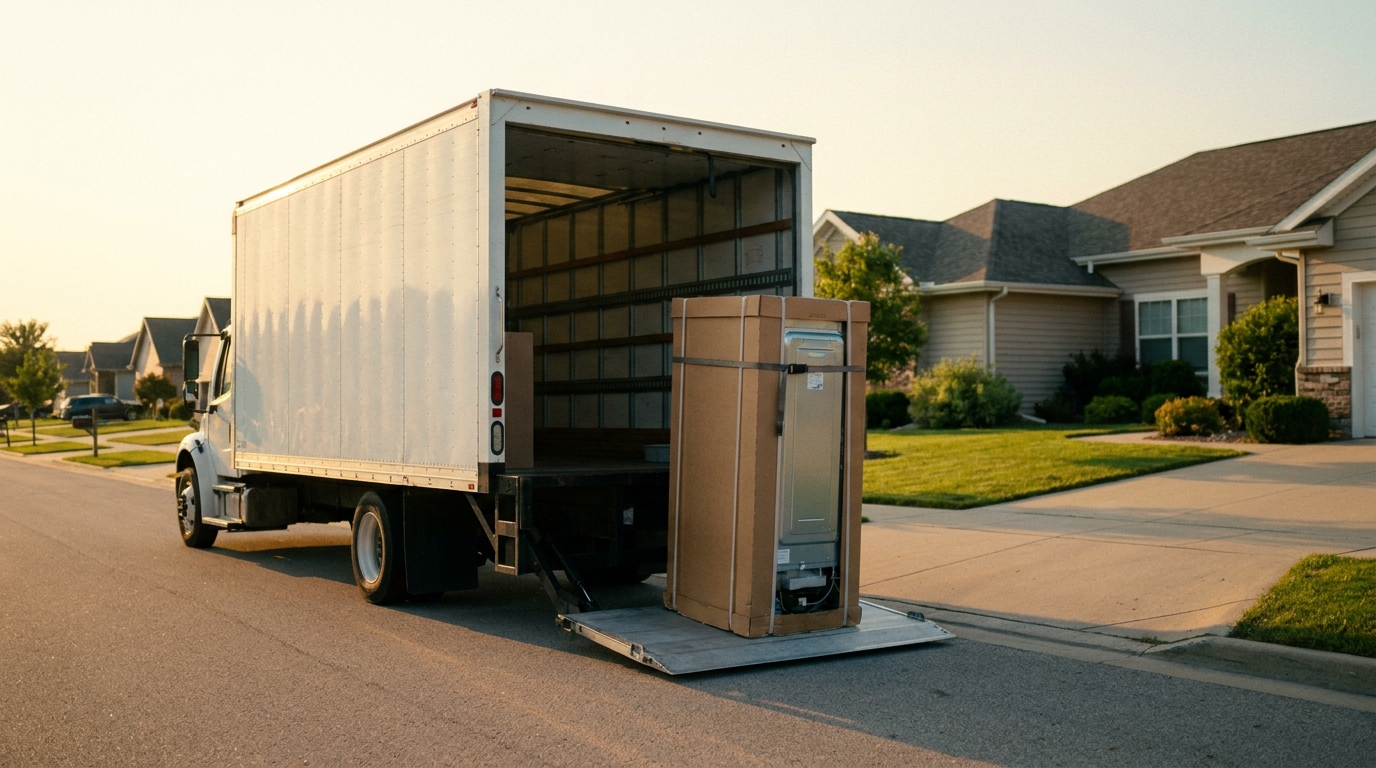
Final mile delivery is the last leg of a shipment's journey, moving goods from a local hub, terminal, or fulfillment center to the end customer's door. It is the leg that touches the customer directly, and it is usually the most expensive and operationally complex part of the whole supply chain. A container can cross an ocean and a truck can run a thousand miles of line-haul efficiently, but the final few miles, delivered one address at a time, are where cost and complexity concentrate. "Final mile" and "last mile" mean the same thing; the freight industry tends to say final mile for larger, big-and-bulky goods.
Key takeaways
- Final mile delivery is the last leg from a local hub to the customer, and it is the same thing as last mile delivery.
- It is the most expensive leg per delivery because every stop is a separate address with its own drive time, access, and handling.
- The two main types are parcel last-mile (small packages, high volume) and big-and-bulky final mile (freight-sized items, often with an appointment and white glove service).
- Big-and-bulky and white glove deliveries add a two-person crew, a liftgate, room-of-choice placement, and often assembly.
- Choose a provider on coverage, appointment scheduling, damage and on-time metrics, and verified operating authority, not on headline price alone.
What is final mile delivery?
Final mile delivery is the movement of goods from the last distribution point, such as a parcel hub, cross-dock, or fulfillment center, to the final destination, usually a home or business. It is the handoff that completes an order. Everything upstream, the ocean leg, the drayage move off the port, the long-haul line-haul, and the sortation, exists to feed this last step. Because the customer experiences the order through this delivery, it carries outsized weight for brand reputation even though it is physically the shortest leg.
Why is the final mile the most expensive and complex leg?
The final mile costs the most per delivery because it cannot be consolidated the way line-haul can. Upstream freight moves in full loads on predictable lanes, so the cost per mile is low. The final mile is the opposite: many stops, each a unique address, each with its own drive time, parking, building access, and often a signature, appointment, or specific placement.
Density is the single biggest cost driver. A route with twenty stops in a tight suburb is cheap per delivery; the same truck making five stops spread across a rural county is expensive per delivery. Big-and-bulky freight compounds this with heavier handling, a two-person team, a liftgate, and time spent inside the home. Access problems, narrow stairwells, failed appointments, and redeliveries all add cost that never shows up in a per-mile line-haul rate.
What are the main types of final mile delivery?
There are two broad types: parcel last-mile and big-and-bulky (heavy) final mile. Parcel last-mile covers small, boxable packages, typically under about 70 pounds, moving in high volume through automated sortation and delivered by a single driver. This is the world of national parcel carriers and regional couriers, and it overlaps with the tradeoffs covered in our guide on LTL vs parcel shipping.
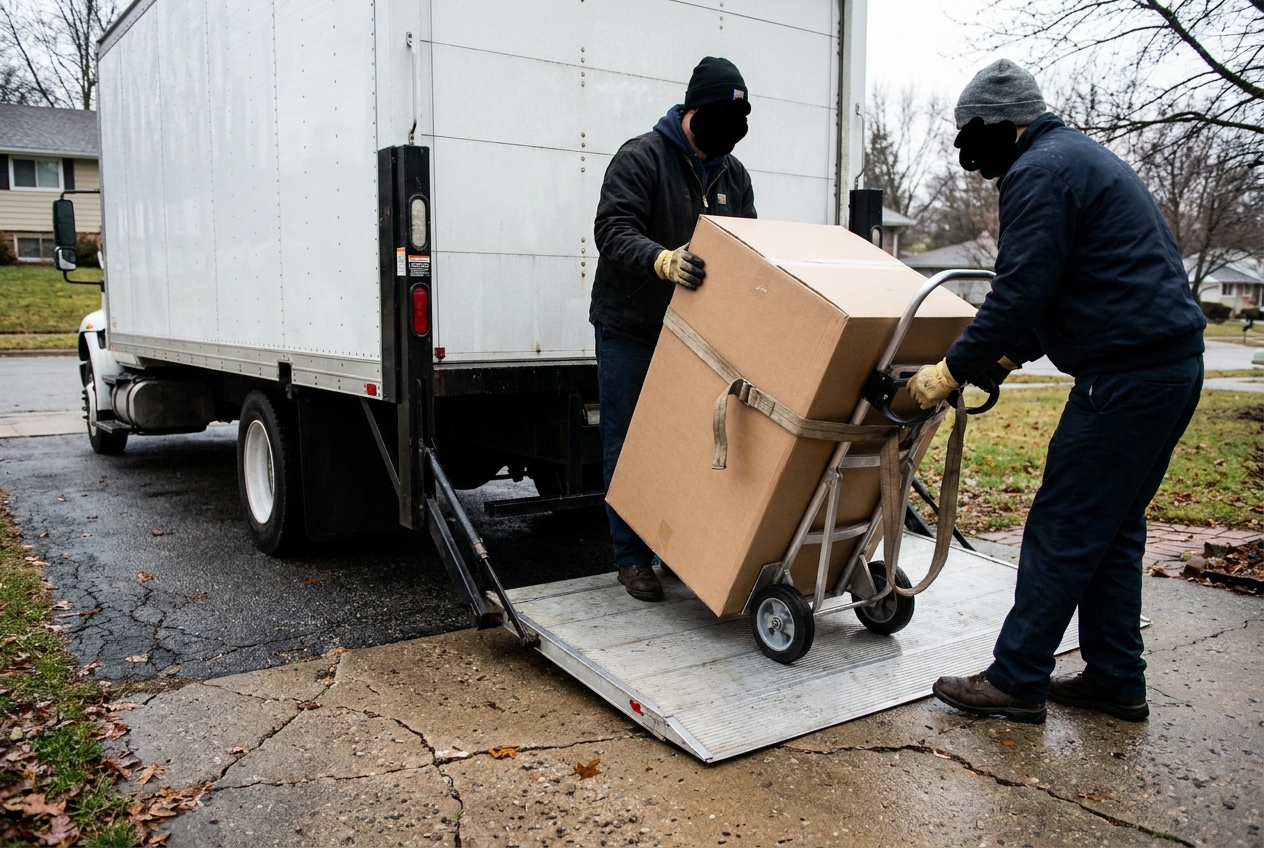
Big-and-bulky final mile covers freight-sized items that are too large, heavy, or fragile for a parcel network: furniture, mattresses, appliances, fitness equipment, and similar goods. These almost always move on an appointment, need a two-person crew, and are offered at service levels from curbside drop to full white glove. Shippers of these goods often work with a dedicated network in the white glove and big-and-bulky final mile category rather than a standard parcel carrier.
Parcel last-mile vs big-and-bulky final mile: how do they compare?
The short answer: parcel is high-volume, automated, and single-driver; big-and-bulky is appointment-based, hand-handled, and crew-delivered. The table below shows where they diverge.
| Factor | Parcel last-mile | Big-and-bulky final mile |
|---|---|---|
| Typical item | Small package, usually under ~70 lb | Furniture, appliance, mattress, fitness gear |
| Handling | Automated sortation, single driver | Two-person crew, liftgate, manual handling |
| Delivery method | Drop at door, no appointment | Scheduled appointment window |
| Service levels | Standard, signature optional | Threshold, room of choice, or full white glove |
| Speed | Same-day or next-day from local hub | Scheduled, often several days out |
| Cost driver | Route density and package size | Crew time, access, assembly, redeliveries |
What is white glove final mile delivery?
White glove is the premium tier of big-and-bulky final mile, where a scheduled two-person team brings the item into the room of choice, unpacks and assembles it, and removes the packaging or the old unit. It is the standard for high-value furniture, appliances, and fitness equipment, where a curbside drop would be unacceptable. Service naming varies by carrier, so confirm exactly what is included before you sell it to a customer. Our white glove delivery guide breaks down the service levels in more detail.

Consider a worked example. A brand ships a 300-pound treadmill 900 miles. The long-haul leg to the regional terminal is straightforward line-haul. The final mile is where it gets real: a two-person crew schedules a four-hour window, carries the boxed unit up an interior staircase, assembles it in a spare bedroom, tests it, and hauls away the packaging. That single delivery can cost more than the entire line-haul leg, which is exactly why big-and-bulky final mile is priced and managed separately.
What should shippers expect from a final mile delivery?
Expect the final mile to be where customer experience is won or lost, so plan for communication and exceptions, not just transit. For parcel, expect tracking to the door and a same-day or next-day hop once the package reaches the local hub. For big-and-bulky, expect an appointment-scheduling step, proactive notifications, and a defined service level in writing.
Also plan for the messy realities: failed appointments, access issues, damage claims, and returns. Big-and-bulky returns are their own challenge, since an item that needed two people to deliver needs two people to pick back up. Sizing and packaging decisions upstream affect final mile cost too; running items through a dimensional weight calculator early helps you understand how a bulky box will be rated and handled.
How do you choose a final mile delivery provider?
Choose on coverage, service level, performance metrics, and verified authority, in that order, not on the lowest quoted rate. Start by matching the provider to your product: a parcel network for small packages, a big-and-bulky or white glove network for freight-sized goods. Then work through the essentials.
- Coverage. Does the network reach your customers, including rural ZIPs, or does it hand off to agents? Ask how far its own trucks run versus subcontracted areas.
- Service level. Threshold, room of choice, or full white glove with assembly and debris removal. Get the exact scope in writing.
- Metrics. Ask for on-time delivery, damage, and first-attempt success rates. A provider that tracks these will share them.
- Authority and insurance. Confirm active operating authority and cargo insurance. You can check a carrier's authority and safety record through the FMCSA, and broader freight movement data is published by the Bureau of Transportation Statistics.
If final mile is one piece of a larger fulfillment decision, it is worth reading how the last leg fits into the wider setup in our guide on choosing an ecommerce fulfillment provider, and comparing vetted carriers side by side in the National Freight Hub directory before you commit.
Frequently asked questions
What is the difference between final mile and last mile delivery?
They mean the same thing. Both describe the last leg of a shipment, from a local terminal, hub, or fulfillment center to the end customer's door. "Last mile" is used more often for parcel, while "final mile" is used more often for freight-sized big-and-bulky goods, but the terms are interchangeable.
Why is the final mile so expensive?
It is labor-intensive and hard to consolidate. Every stop is a separate address with its own drive time, parking, access issues, and often a signature or appointment. Big-and-bulky items add a two-person crew, a liftgate, and sometimes assembly, so the per-delivery cost is far higher than long-haul line-haul per mile.
What is white glove final mile delivery?
White glove is a premium final mile service where a two-person team schedules an appointment, brings the item into the room of choice, unpacks and assembles it, and removes the packaging or the old unit. It is used for furniture, appliances, fitness equipment, and other big-and-bulky goods.
How long does final mile delivery take?
Parcel last-mile is usually same-day or next-day once the package reaches the local hub. Big-and-bulky final mile typically runs on a scheduled appointment window, so it can take several days from terminal arrival to the delivery date the customer selects.
Do I need a separate final mile provider?
Not always. Parcel carriers handle their own last mile. For big-and-bulky or white glove freight, many shippers use a dedicated final mile network or a 3PL that manages regional agents, because national parcel carriers are not built to carry a sofa up two flights of stairs on an appointment.
What should I look for when choosing a final mile carrier?
Check geographic coverage, appointment scheduling and customer communication, damage and claims rates, service levels (threshold, room of choice, or full white glove), and proof of active operating authority and insurance. Ask for on-time and damage metrics before you sign.
Ready to compare providers?
Search the directory by service and location, save options to your shortlist, and send a clear RFQ.
Related guides
Carrier Vetting: How to Avoid Fraud and Bad Carriers
A step-by-step guide to carrier vetting: verify FMCSA authority and safety, confirm insurance with the insurer, spot red flags, and stop double-brokering.
Dedicated vs Common Carrier: Which Fits
How dedicated contract carriage, common carriers, and private fleets compare on cost, capacity, and commitment, and when your volume justifies dedicated.
Shipping Construction Materials to a Jobsite
How construction freight works: matching flatbed and specialized trailers to steel, lumber, pipe, and precast, plus jobsite access, oversize permits, and delivery timing.