
LTL vs Parcel Shipping: Which to Use
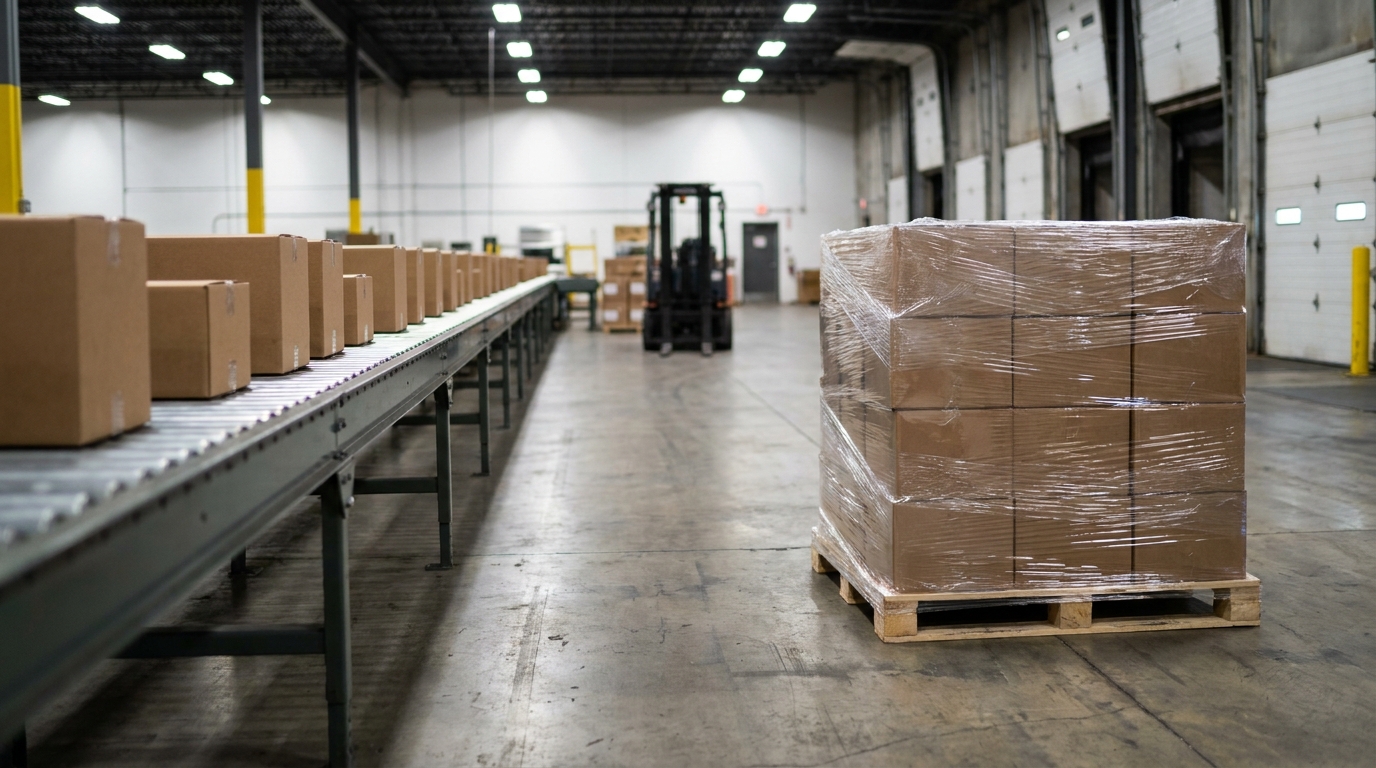
Choosing between LTL vs parcel shipping comes down to weight, size, and how many boxes you are moving. Ship small, light packages as parcel through a carrier's small-package network. Move heavier, bulkier, or multi-box orders as less-than-truckload (LTL) freight on a pallet. The rough dividing line is around 150 pounds or more than a few large boxes going to one destination, but dimensional weight, freight class, and accessorial fees can move that line in either direction. This guide shows exactly where each mode wins and how to price a borderline order.
Key takeaways
- Parcel suits single small packages under roughly 150 pounds; LTL suits palletized or multi-box freight above that.
- Parcel carriers bill the greater of actual and dimensional weight, so large light boxes can cost far more than the scale shows.
- Once an order fills several boxes to the same address, consolidating them onto one pallet often quotes cheaper as LTL.
- LTL adds a base charge, freight class, and possible accessorials (liftgate, residential, limited access) that parcel does not.
- Parcel is usually faster and needs no dock; LTL trades speed for capacity and lower per-pound cost at volume.
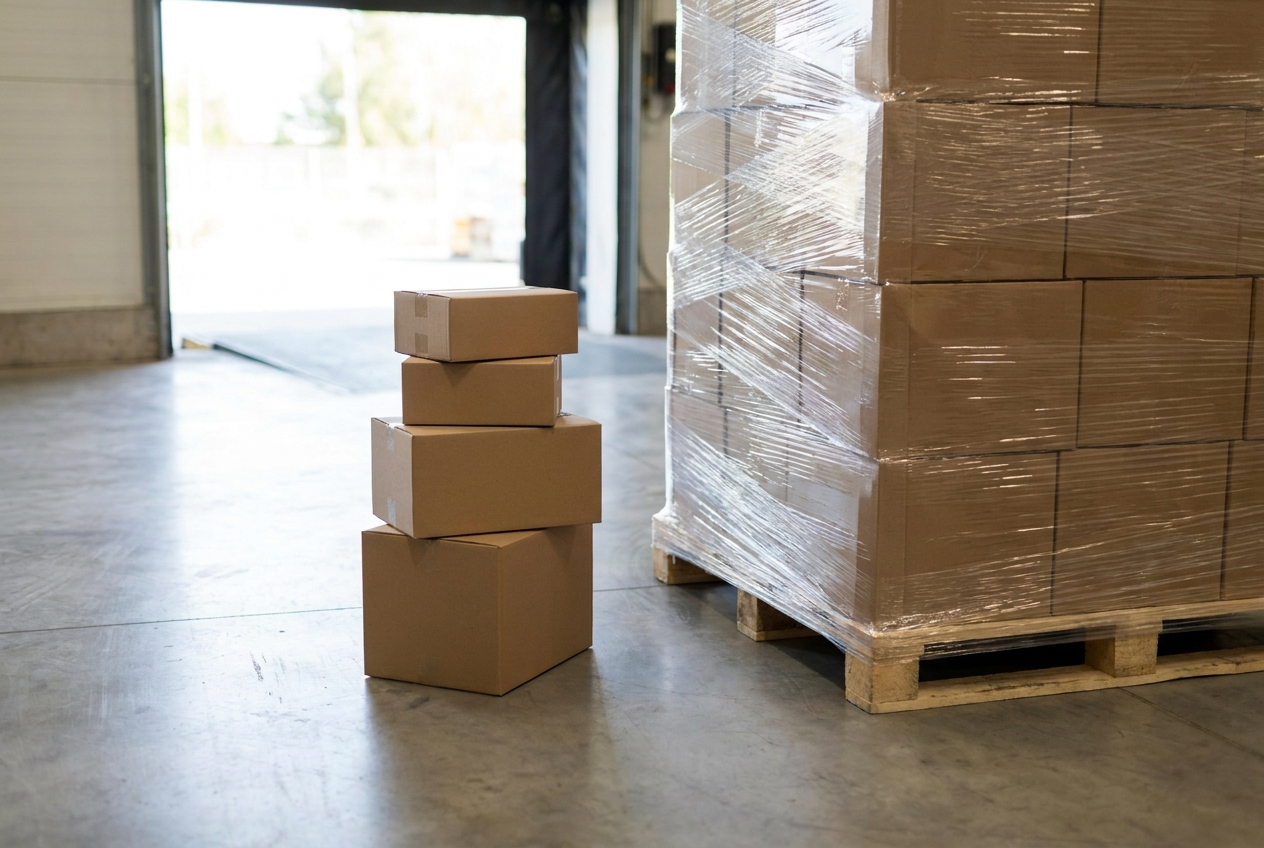
What is the difference between LTL and parcel shipping?
Parcel shipping moves individual boxes through a small-package network, priced per package by weight and size. LTL, or less-than-truckload, moves palletized freight that is too big for parcel but does not fill a whole trailer, sharing truck space with other shippers' loads. Parcel is handled piece by piece and hand-delivered; LTL is handled on pallets by forklift through freight terminals. For a deeper primer on the freight side, see what LTL freight is and how it is priced.
When should you ship parcel instead of LTL?
Ship parcel when packages are small, light, and few. Parcel is the right call for individual boxes under about 150 pounds, standard carton sizes, and shipments of one or two boxes to a single address. It is also the better choice when speed matters, when the destination is a home with no loading dock, and when you want door-level delivery without arranging a freight appointment. Ecommerce orders, samples, and replacement parts almost always stay parcel.
When does an order tip toward LTL freight?
An order tips toward LTL when total weight climbs past roughly 150 pounds, when a single item is too heavy or oversized for parcel, or when you are shipping enough boxes that palletizing them is cheaper and safer. Most parcel carriers cap individual packages near 150 pounds and add oversize surcharges well before that, so heavy or bulky freight has to move as LTL. Palletized freight also travels with less individual handling, which lowers damage and loss risk on multi-box orders. If a shipment grows past roughly six pallets or 12 to 15 feet of trailer space, compare it against full truckload instead using our guide to LTL vs FTL shipping.
How does dimensional weight change the math on parcel?
Dimensional weight is a billed weight calculated from a package's cubic size rather than its actual scale weight, and parcel carriers charge whichever is greater. A large but light box, think pillows, plastic housings, or foam, can bill at two or three times its real weight once DIM pricing applies. This is the single most common reason a parcel quote comes back higher than expected, and it is where LTL quietly wins, because LTL prices on actual weight and freight class rather than parcel DIM factors. Before you commit, run the box through our dimensional weight calculator to see the billed weight, then compare it against an LTL quote for the same freight.
LTL vs parcel: how do they compare side by side?
The two modes differ on weight limits, pricing basis, speed, and what it takes to receive them. Use this table to place a shipment quickly.
| Factor | Parcel | LTL freight |
|---|---|---|
| Typical unit | Individual box | Palletized freight |
| Weight range | Up to about 150 lb per package | About 150 to 15,000 lb per shipment |
| Priced on | Greater of actual or dimensional weight | Actual weight, freight class, and distance |
| Transit time | Often 1 to 5 business days | Often 2 to 7+ business days |
| Handling | Piece by piece, more touches | By forklift on a pallet, fewer touches |
| Delivery | To the door, no dock needed | Dock or liftgate; appointment common |
| Extra fees | Oversize, residential, additional handling | Liftgate, residential, limited access, reweigh |
Worked example: when is a multi-box order cheaper as LTL?
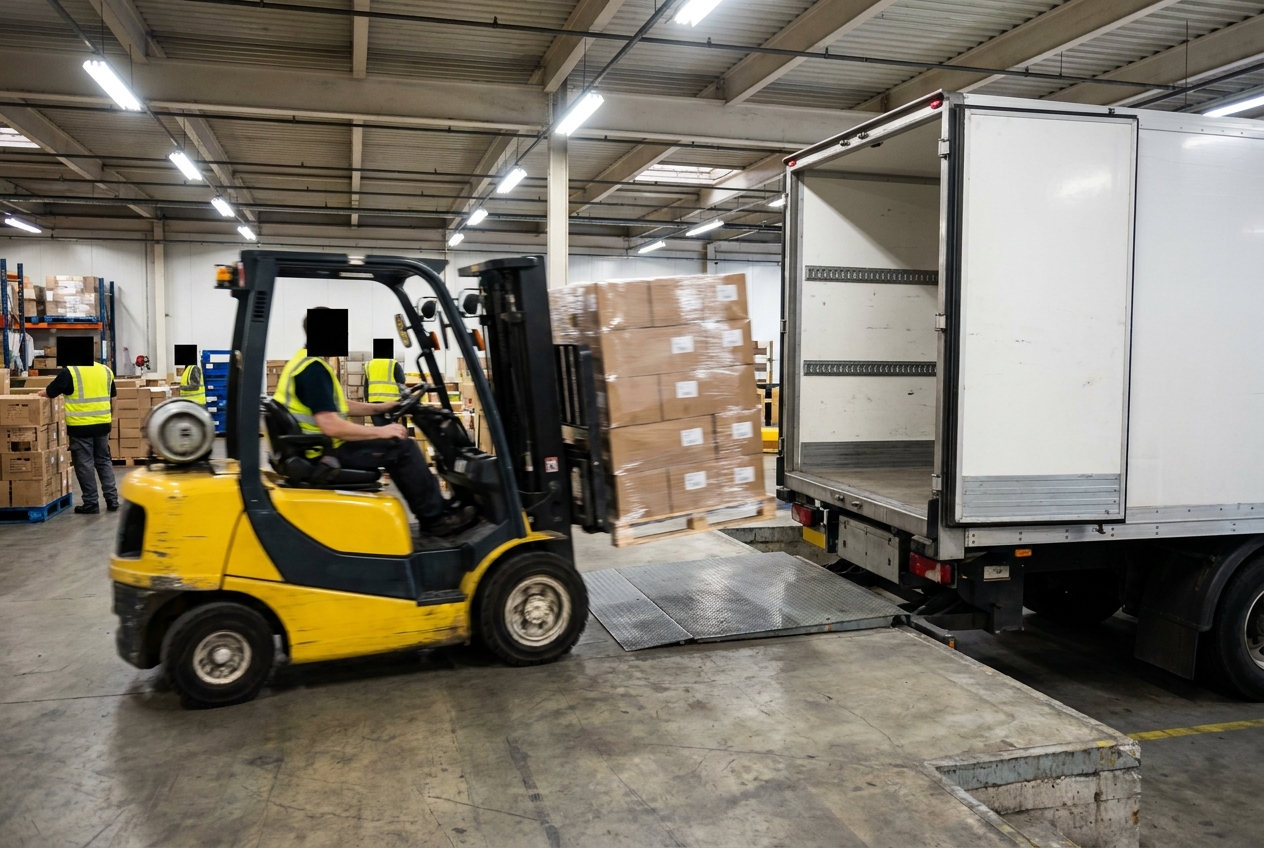
Say you are shipping an order of eight boxes, each about 40 pounds and 24 by 18 by 18 inches, from a warehouse to a business a few states away. As parcel, that is eight separate packages at 320 pounds total, and each box's size pushes it toward dimensional-weight billing, so the carrier prices the cube, not the 40-pound scale weight. Eight DIM-rated boxes plus per-package fees add up fast. Stack those same eight boxes onto one standard 48 by 40 inch pallet, stretch-wrap it, and it becomes a single LTL shipment of roughly 380 pounds including the pallet, priced on actual weight and freight class. In a case like this the palletized LTL quote frequently comes in below the summed parcel cost, especially once dimensional surcharges stack up. The break-even shifts with lane, freight class, and any accessorials, so always price both for a borderline order rather than assuming.
When should you consolidate loose boxes onto a pallet?
Consolidate when you are sending several boxes to the same destination and their combined parcel cost, DIM surcharges included, meets or beats an LTL quote. Palletizing helps in three ways: it converts many billable packages into one freight shipment, it swaps parcel dimensional pricing for weight-and-class pricing, and it cuts handling because the boxes move together by forklift instead of individually. To build a clean, low-class pallet, keep the load stacked squarely within the pallet footprint, avoid overhang, and stretch-wrap to the deck so nothing shifts. For orders that split across regions, our note on running two fulfillment warehouses covers when splitting inventory beats shipping everything from one node.
How do transit time, handling, and final delivery compare?
Parcel is usually faster and lower-touch at the door; LTL is slower but cheaper per pound at weight. Parcel networks are engineered for speed and predictable one-to-five-day transit, with the carrier hand-delivering to a door and no dock required. LTL routes freight through terminals, so transit runs longer and often needs a delivery appointment, a dock, or a liftgate accessorial when there is no dock. If the final leg is a home or a jobsite with bulky items, that handoff is its own discipline, covered in our guide to final mile delivery. When you are ready to price real lanes, compare providers in the LTL freight carrier directory. For carrier authority and safety records, you can also verify a motor carrier through the FMCSA, and freight-mode volume context is published by the Bureau of Transportation Statistics.
Frequently asked questions
At what weight should I switch from parcel to LTL?
There is no fixed cutoff, but most shippers start pricing LTL when a shipment reaches roughly 150 pounds or fills more than a few large boxes. Individual parcel carriers cap most packages near 150 pounds, so anything heavier almost always moves as LTL freight on a pallet.
Is LTL always cheaper than parcel for heavy shipments?
Not always. LTL wins when weight or box count is high, but it adds a base charge, freight class, and potential accessorials like liftgate or residential delivery. For one or two moderate boxes going to a business dock, parcel is often still cheaper and faster.
What is dimensional weight and why does it matter for parcel?
Dimensional weight is a billed weight based on a package's size rather than its actual weight. Parcel carriers charge the greater of actual and dimensional weight, so a big but light box can cost far more than the scale suggests. Palletizing as LTL sidesteps parcel DIM pricing.
When should I consolidate loose boxes onto a pallet?
Consolidate when you are shipping several boxes to the same destination and their combined parcel cost, including any dimensional-weight surcharges, exceeds an LTL quote. Stacking and stretch-wrapping the boxes on one pallet also reduces handling damage and lost-box risk.
Does LTL take longer than parcel?
Usually. Parcel networks are built for fast, predictable transit, often one to five business days. LTL moves through freight terminals and can take two to seven business days or more depending on lane, so factor transit time into the decision, not just cost.
Do I need a loading dock to receive LTL freight?
No, but a dock makes it easier. Without a dock you typically pay a liftgate accessorial so the driver can lower the pallet, and residential or limited-access deliveries add fees. Parcel avoids these because the carrier hand-delivers to the door.
Ready to compare providers?
Search the directory by service and location, save options to your shortlist, and send a clear RFQ.
Related guides
Carrier Vetting: How to Avoid Fraud and Bad Carriers
A step-by-step guide to carrier vetting: verify FMCSA authority and safety, confirm insurance with the insurer, spot red flags, and stop double-brokering.
Dedicated vs Common Carrier: Which Fits
How dedicated contract carriage, common carriers, and private fleets compare on cost, capacity, and commitment, and when your volume justifies dedicated.
Shipping Construction Materials to a Jobsite
How construction freight works: matching flatbed and specialized trailers to steel, lumber, pipe, and precast, plus jobsite access, oversize permits, and delivery timing.