
What Is a Bonded Warehouse?
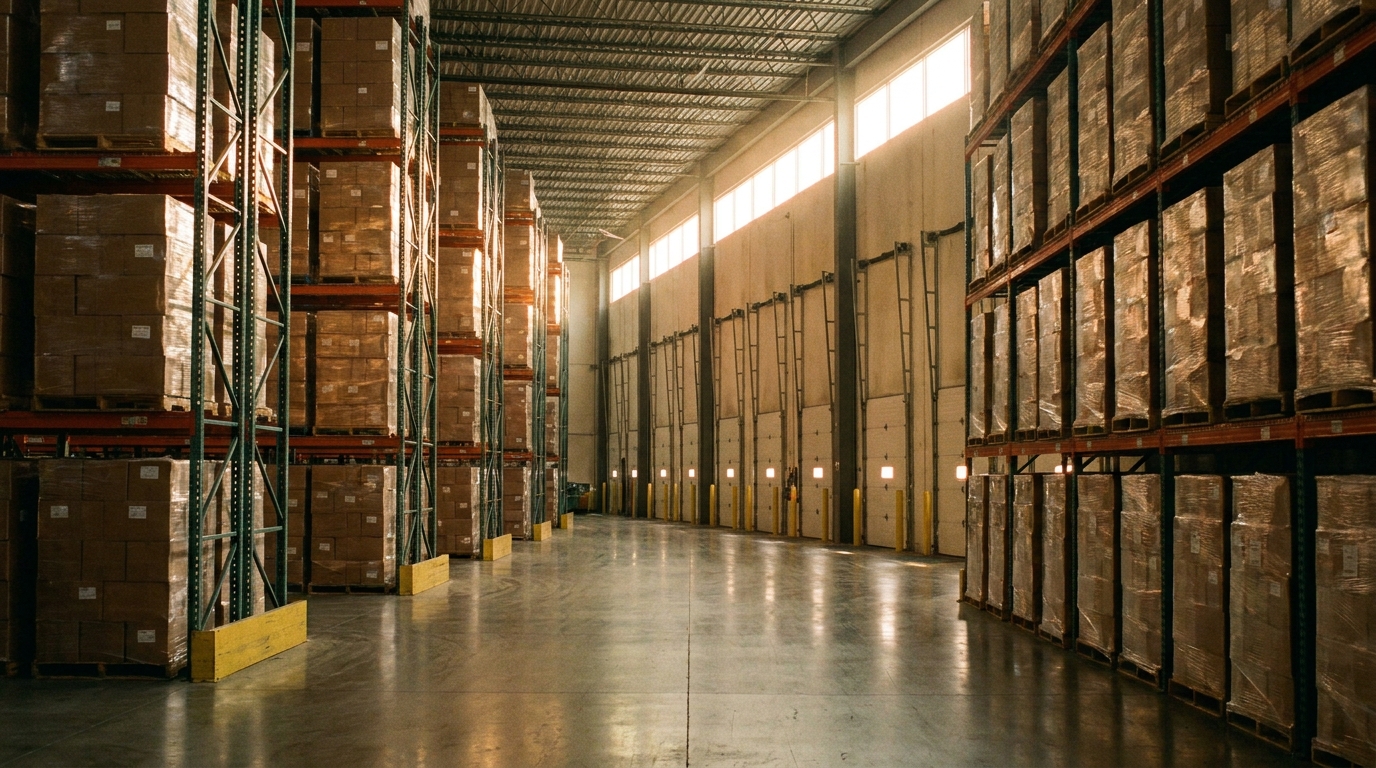
A bonded warehouse is a secured facility, supervised by U.S. Customs and Border Protection (CBP), where imported goods can be stored without paying import duty until they are withdrawn for domestic sale. It lets an importer land merchandise, hold it, and defer duty and most federal taxes until the goods actually enter U.S. commerce, or avoid the duty entirely if the goods are re-exported straight from the warehouse. That single feature, duty deferral under customs control, is why importers with cash-flow pressure or uncertain demand use a customs bonded warehouse instead of clearing everything at once.
Key takeaways
- A customs bonded warehouse stores imported goods under CBP supervision with duty deferred until the goods leave for domestic consumption.
- Goods may stay for up to five years from the date of importation; re-exporting them from the warehouse generally avoids the import duty altogether.
- Allowed activity is limited to storage and light handling such as sorting, repacking, and relabeling, not manufacturing.
- A foreign-trade zone offers more flexibility (no time limit, manufacturing, duty-rate selection); a bonded warehouse is simpler and faster to set up.
- The warehouse operator posts a customs bond and is responsible for the goods and the duty until withdrawal.
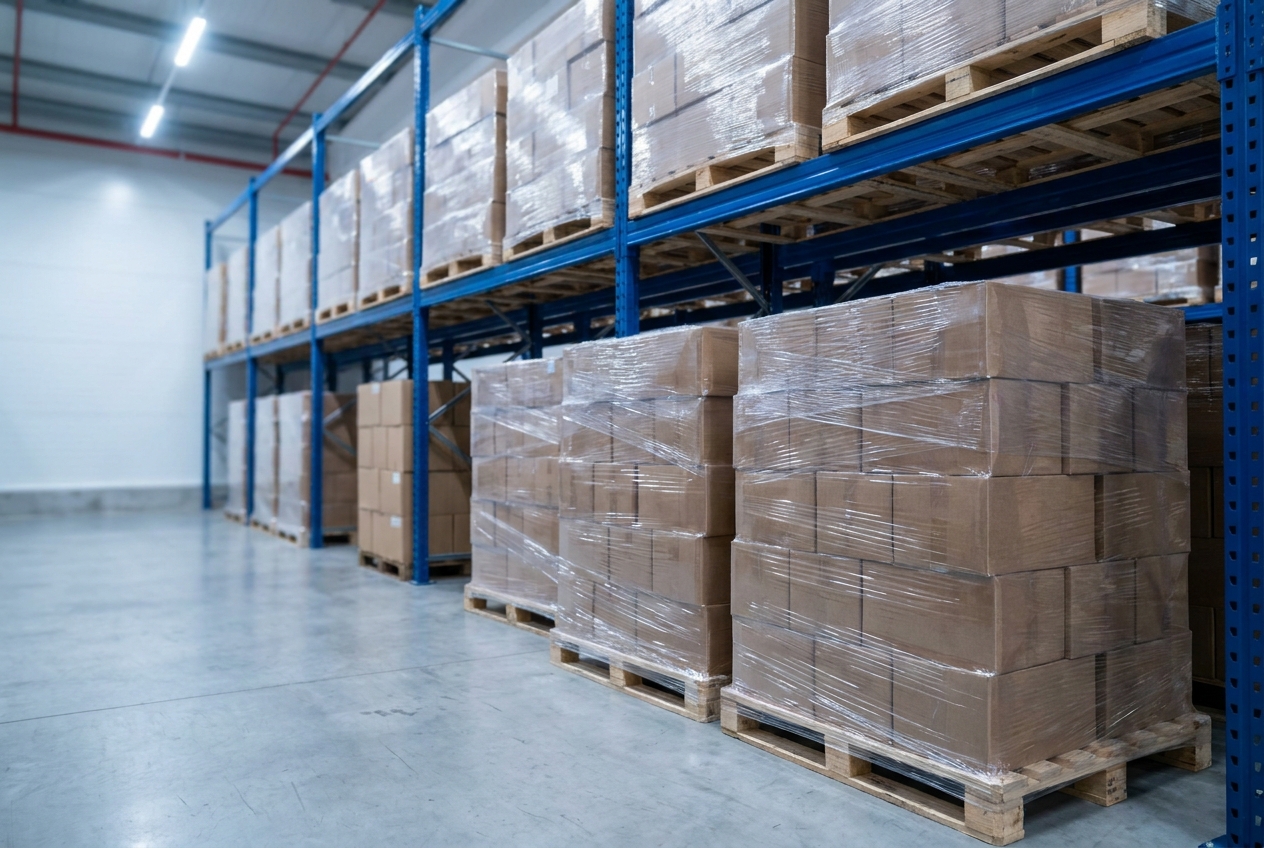
How does duty deferral work in a bonded warehouse?
When goods arrive, they are entered for warehousing rather than for immediate consumption, so no duty is paid at the border. The clock on duty only starts when the importer files a withdrawal to move the goods into U.S. commerce, and the rate charged is the rate in effect on the withdrawal date. Until then the importer holds its cash instead of tying it up in duty on inventory that may not sell for months.
Two outcomes matter. If the goods are withdrawn for domestic consumption, duty and applicable federal taxes come due at that point, on the quantity actually withdrawn. If the goods are exported directly from the warehouse, the import duty is generally never owed. Partial withdrawals are allowed, so an importer can release and pay duty on only the cases it needs each week. Because the calculation still depends on classification and value, running the numbers in a landed cost calculator before you withdraw keeps surprises off the invoice. For the underlying rules, CBP publishes bonded warehouse guidance at CBP.gov.
What operations are allowed in a bonded warehouse?
A standard storage bonded warehouse allows the goods to be cleaned, sorted, repacked, relabeled, and otherwise manipulated, but not manufactured into a new product. The point is to keep, protect, and reconfigure imported merchandise, not to transform it.
CBP recognizes several classes of bonded warehouse. Most importers use a public or private storage warehouse for holding and light handling. A separate class of bonded manufacturing warehouse exists, but it is narrowly used and comes with tight controls, which is one reason companies that need real production usually turn to a foreign-trade zone. If your plan involves assembling, kitting, or altering the goods enough to change their tariff classification, confirm the warehouse class supports it before you commit.
How long can goods stay in a bonded warehouse?
Merchandise may remain in a bonded warehouse for up to five years from the date of importation. That window is generous compared with clearing at the border, but it is a hard limit: goods left past five years must be exported, and unclaimed merchandise can be sold at customs auction.
Five years covers most reasons an importer bonds inventory, such as waiting out a soft market, staging seasonal stock, or holding parts until a downstream order lands. If you genuinely need indefinite storage, that is a signal to compare a foreign-trade zone, which has no equivalent time cap.
Bonded warehouse vs foreign-trade zone vs regular warehouse
A bonded warehouse and a foreign-trade zone (FTZ) both defer duty, but an FTZ goes further: goods in an FTZ are treated as outside U.S. customs territory, so an importer can hold them indefinitely, manufacture, and in some cases elect the lower of two duty rates. A regular warehouse offers neither benefit; duty is paid before the goods ever reach the shelf. The table shows how the three compare on the points importers weigh.
| Feature | Bonded warehouse | Foreign-trade zone (FTZ) | Regular warehouse |
|---|---|---|---|
| Duty timing | Deferred until withdrawal | Deferred until goods leave the zone | Paid at import, before storage |
| Duty on re-export | Generally avoided | Generally avoided | Already paid |
| Storage time limit | Up to 5 years | No fixed limit | None |
| Manufacturing | Restricted, special class only | Allowed with approval | Allowed, but duty already paid |
| Duty-rate selection | No | Sometimes (inverted tariff) | No |
| Setup effort | Lower, faster to use | Higher, zone application required | Lowest |
The short version: a bonded warehouse is the lighter-weight choice for holding imported inventory and deferring duty for up to five years. An FTZ is the heavier-duty choice for large-volume, long-term, or manufacturing operations. If you are still mapping the import steps around either one, our guides on what a foreign-trade zone is and how customs clearance works lay out the surrounding process.
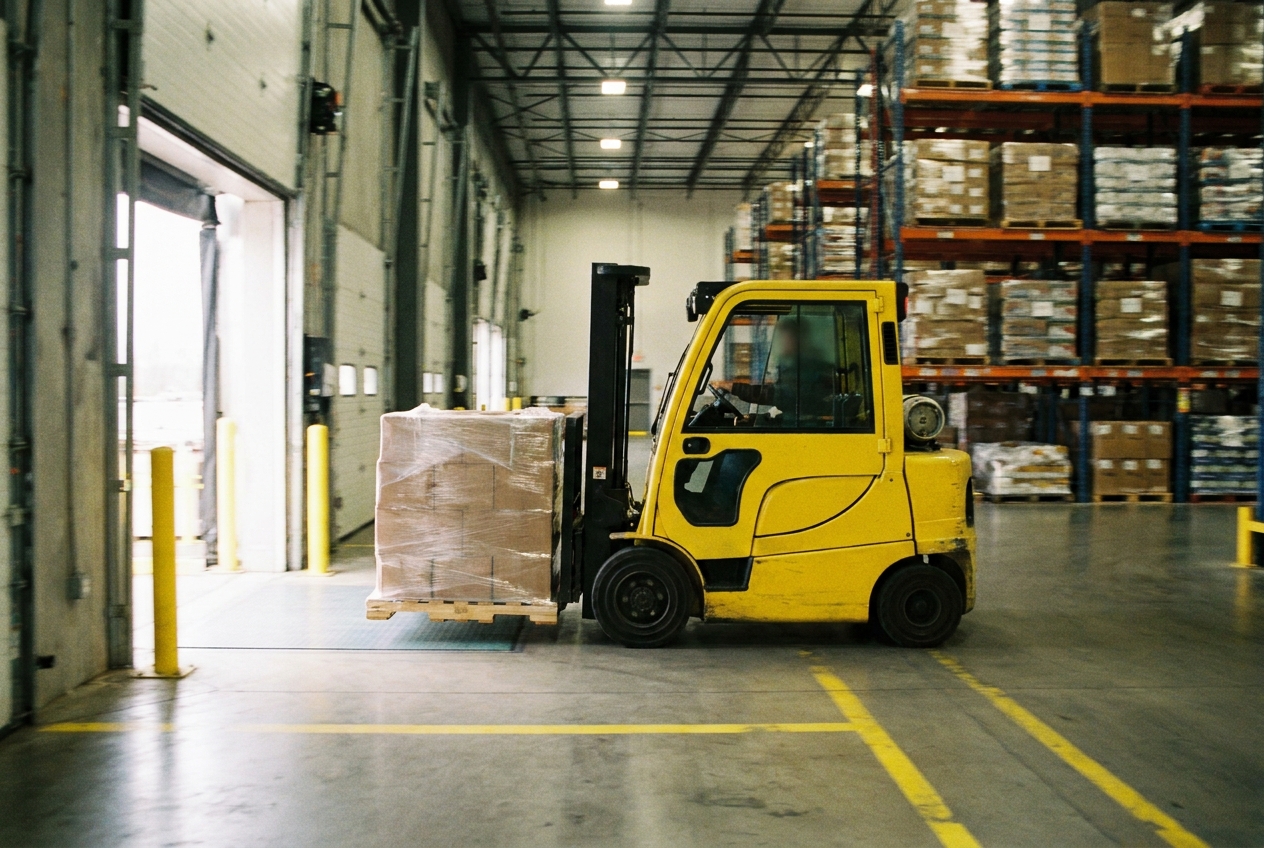
Who runs a bonded warehouse and what does the bond cover?
A bonded warehouse is operated by a private company under a customs bond, with CBP supervising access and inventory. The operator, not CBP, is legally responsible for the goods and for the deferred duty until the merchandise is withdrawn or exported. That responsibility is what the bond secures.
This is where importers often confuse two things. The customs bond is the financial guarantee that duty and penalties will be paid; the warehouse is the building where bonded goods physically sit. An operator must hold a bond to run the warehouse, but you can hold a customs bond without ever using bonded storage. Many third-party logistics providers offer bonded space as one service line, which you can compare among warehousing and 3PL providers on the directory.
When does a bonded warehouse make sense? A worked example
Say an importer brings in a container of goods with a landed value of $200,000 and a duty rate around 5 percent. Clearing at the border means roughly $10,000 in duty due immediately, whether or not the goods sell this quarter. Entered into a bonded warehouse instead, that $10,000 stays in the business until the goods are withdrawn, and it is paid in slices as inventory actually moves.
Now change the plan: half the container is re-exported to a customer in Canada straight from the warehouse. Duty is only ever owed on the half withdrawn for U.S. sale, so the importer avoids roughly $5,000 in duty it would have paid and then had to claim back at the border. Bonded storage tends to pay off when duty is meaningful, demand is uncertain, or a share of the goods is bound for re-export. It pays off less when goods turn fast and sell entirely into the U.S. market, where the deferral gains little against the storage cost.
How do you get goods into and out of a bonded warehouse?
Getting goods in starts with filing a customs entry for warehousing rather than for consumption, usually handled by a customs broker, after which the goods move under bond to the approved facility. Getting them out means filing a withdrawal, for consumption (pay the duty), for export, or for transfer to another bonded facility.
Practical steps before you rely on bonded storage: confirm the provider actually holds an active customs bond and the right warehouse class for your handling needs; ask how withdrawals are filed and how fast they clear; and price the storage and handling fees against the duty you would defer, since a low duty rate can make the deferral not worth the storage premium. A customs broker or a bonded 3PL can file the paperwork, and CBP outlines importer obligations at CBP.gov. Done right, a bonded warehouse turns duty from an upfront cost into one you pay only as goods sell, or avoid entirely on what you re-export.
Frequently asked questions
Do you pay duty on goods in a bonded warehouse?
Not while the goods sit in the warehouse. Duty and most federal taxes are deferred and only become due when the merchandise is withdrawn for domestic consumption. If the goods are re-exported directly from the warehouse, the import duty is generally never owed.
How long can goods stay in a bonded warehouse?
Merchandise may remain in a U.S. customs bonded warehouse for up to five years from the date of importation. After that, goods must be withdrawn, exported, or they may be sold at customs auction.
What is the difference between a bonded warehouse and a foreign-trade zone?
A bonded warehouse defers duty and allows limited handling for up to five years, but goods keep their original import status. A foreign-trade zone treats goods as outside U.S. customs territory, has no time limit, and allows manufacturing and duty-rate selection, so it fits large or long-term operations.
Can you manufacture or process goods in a bonded warehouse?
Only limited handling such as sorting, cleaning, repacking, and relabeling is allowed in a standard storage warehouse. Actual manufacturing requires a specific class of bonded warehouse and is restricted, which is one reason many manufacturers choose a foreign-trade zone instead.
Who operates a bonded warehouse?
Bonded warehouses are private or public facilities operated under a customs bond, supervised by U.S. Customs and Border Protection. The operator posts the bond and is responsible for the goods and duty until they are withdrawn or exported.
Is a customs bond the same as a bonded warehouse?
No. A customs bond is the financial guarantee that duties and penalties will be paid. A bonded warehouse is a physical facility whose operator holds such a bond. You can hold a customs bond without ever using a bonded warehouse.
Ready to compare providers?
Search the directory by service and location, save options to your shortlist, and send a clear RFQ.
Related guides
Air Freight Shipping: When and How to Use It
Air freight moves goods in days instead of weeks. Learn when it beats ocean, how chargeable weight is priced, and how the process works.
Ocean Freight Shipping: A Complete Guide
How ocean freight works end to end: booking, container types, FCL vs LCL, the transit process, transit times, costs and surcharges, and demurrage risk.
FCL vs LCL: Which Ocean Option to Choose
FCL books a whole container for your freight; LCL shares one with other shippers. Here is how cost, transit time, and handling risk compare, and the CBM point where FCL wins.