
What Is a Foreign-Trade Zone (FTZ)?
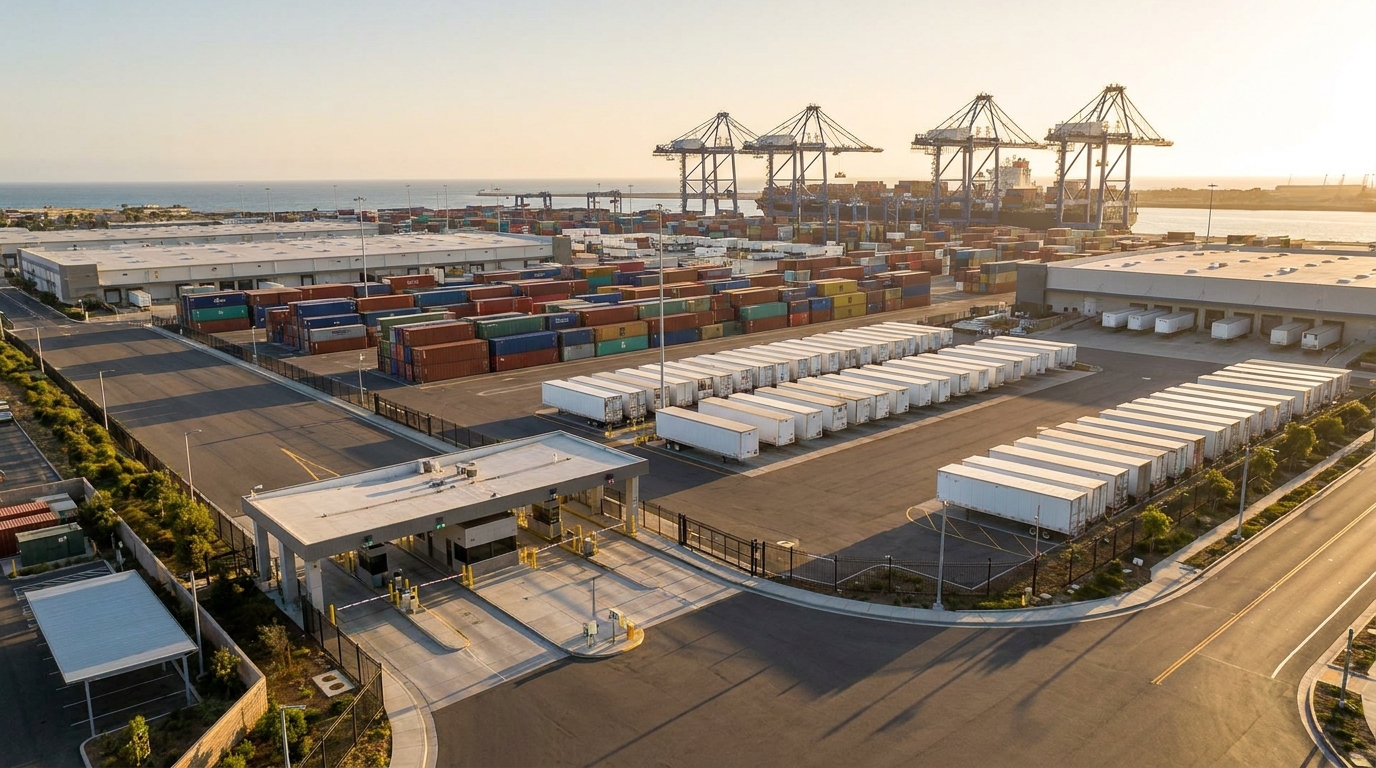
A foreign-trade zone (FTZ) is a secure, federally supervised area inside the United States that U.S. Customs and Border Protection treats as if it were outside CBP territory for duty purposes. Foreign and domestic merchandise can be brought into a foreign trade zone, stored, repackaged, tested, assembled, or even manufactured, and no U.S. import duty is owed until the goods leave the zone and enter U.S. commerce. If the goods are re-exported instead, the duty is generally never owed at all. That single mechanism, controlling the moment duty is triggered, is what makes FTZs valuable to importers and manufacturers who move real volume.
Key takeaways
- An FTZ is a designated site treated as outside CBP territory for duty purposes, so goods can enter and sit without duty being assessed.
- The core benefits are duty deferral, duty inversion on manufactured goods, duty elimination on re-exports, and weekly entry savings on processing fees.
- Duty is only owed when merchandise leaves the zone for U.S. consumption, at the rate and value that apply at that point.
- An FTZ differs from a bonded warehouse: no storage time limit, manufacturing allowed, and more ways to reduce or remove duty.
- The importers who benefit most are high-volume, hold inventory, re-export a share of goods, or manufacture from dutiable components.
What is a foreign-trade zone, exactly?
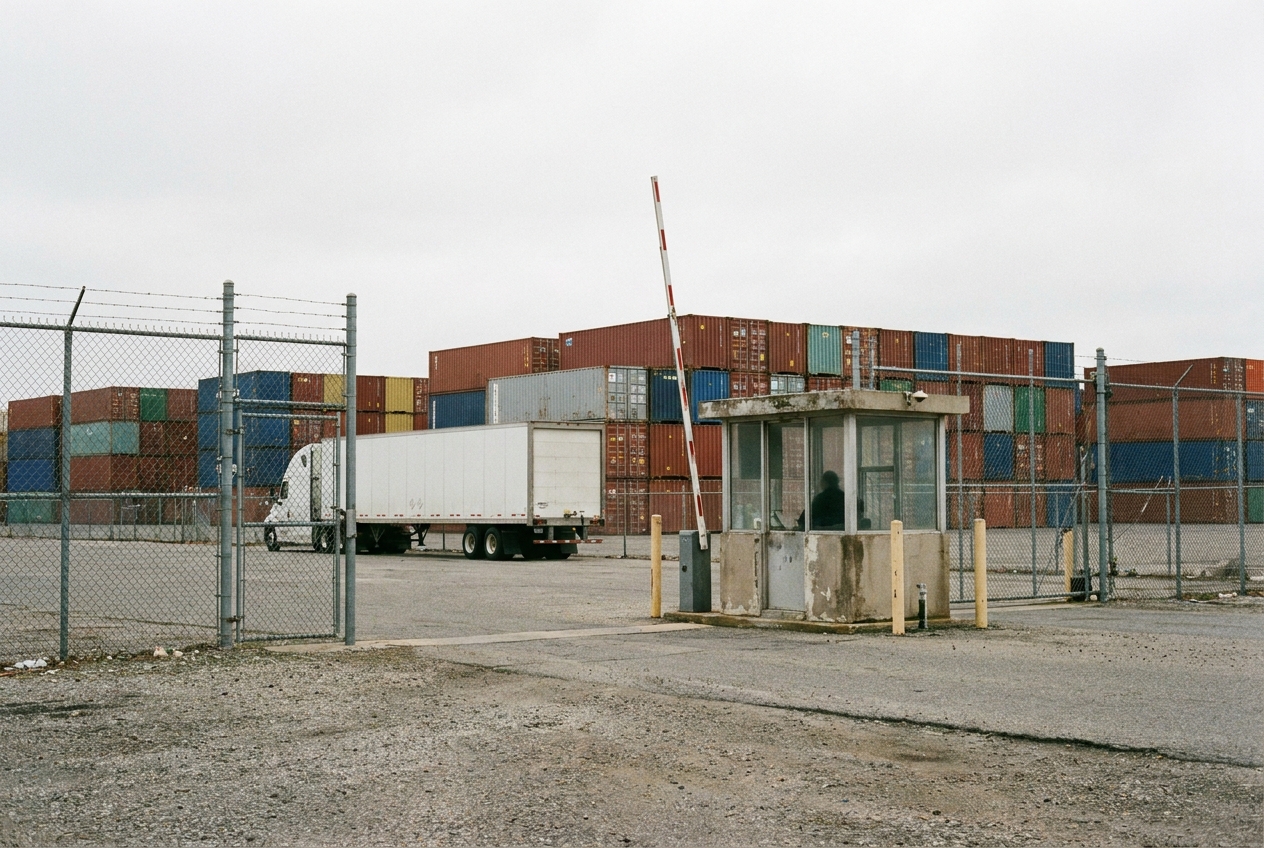
A foreign-trade zone is a physical, fenced, and access-controlled location authorized under the Foreign-Trade Zones Act, overseen by the FTZ Board, and supervised operationally by CBP. Merchandise admitted to the zone has not yet formally entered U.S. commerce, so it sits in a duty-neutral status until the operator decides what happens to it.
There are two common structures. A general-purpose zone is usually a shared warehouse or industrial park near a port of entry, available to multiple companies. A subzone is a single company's own facility, such as a factory or distribution center, approved for FTZ status because the activity would not fit an existing general-purpose site. Most zones sit close to seaports, airports, or major inland hubs, which is why FTZ operators often appear alongside warehousing and 3PL providers in the same markets.
How do goods move in and out of an FTZ?
Goods are admitted to the zone, held in one of several duty statuses, and then either withdrawn into U.S. commerce (duty owed) or shipped back out of the country (duty avoided). The paperwork and CBP oversight track the merchandise through each step.
The typical flow looks like this:
- Admission. Imported merchandise arrives and is admitted to the zone on an admission document rather than a consumption entry. No duty is paid at this point.
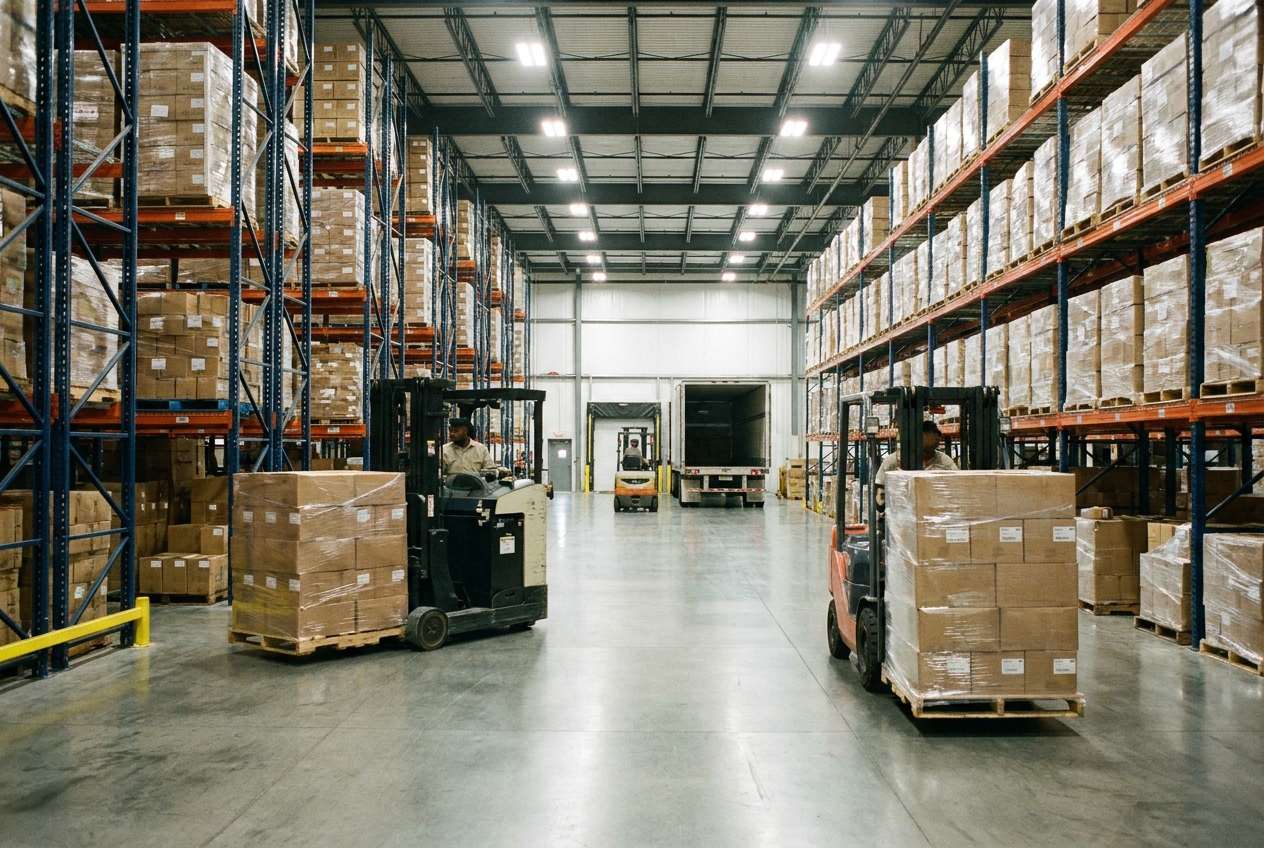
- Storage or processing. Inside the zone, goods can be stored indefinitely, inspected, relabeled, kitted, repackaged, assembled, or manufactured, subject to the activity the zone is approved for.
- Withdrawal into U.S. commerce. When goods leave the zone for domestic sale, the operator files a customs entry and pays duty on what actually leaves, at the value and classification that apply then.
- Re-export or destruction. Merchandise shipped to a foreign destination, transferred to another zone, or destroyed under CBP supervision generally never incurs U.S. duty.
Because the duty event is deferred to withdrawal, the same discipline that governs customs clearance still applies, just at a later and often more favorable moment.
What are the main duty benefits of an FTZ?
There are four benefits that do the heavy lifting: duty deferral, duty inversion, duty elimination on re-exports, and weekly entry savings. Any one of them can justify a zone; together they compound.
Duty deferral. You hold inventory in the zone without tying up cash in duty. Duty is paid only when goods are withdrawn for U.S. consumption, which improves cash flow for anyone carrying weeks or months of stock.
Duty inversion (inverted tariff). When a zone is approved for manufacturing, and the finished product carries a lower duty rate than its imported components, the producer can elect to pay the lower finished-goods rate. For example, if imported parts are dutiable at roughly 4 percent and the finished unit at 1.5 percent, choosing the finished-goods rate cuts the duty on every unit sold into the U.S.
Duty elimination on re-exports. Goods that enter the zone and are later shipped abroad never trigger U.S. duty. That is a direct saving for importers who distribute regionally across North America or ship a share of inventory back overseas, and it pairs naturally with strategies around low-value and Section 321 shipments.
Weekly entry savings. Rather than filing a customs entry per shipment, a zone user files one consolidated entry per week. Because the merchandise processing fee is capped per entry, folding many shipments into a single weekly entry can meaningfully reduce total processing fees for high-frequency importers.
FTZ vs bonded warehouse: what is the difference?
Both defer duty on stored imports, but an FTZ is broader: no storage time limit, manufacturing allowed, and more ways to reduce or eliminate duty. A bonded warehouse is primarily a time-limited storage tool. The table below lays out the practical differences.
| Feature | Foreign-trade zone (FTZ) | Bonded warehouse |
|---|---|---|
| Duty deferral | Yes, until withdrawal into U.S. commerce | Yes, while in storage |
| Storage time limit | None | Typically up to five years |
| Manufacturing or assembly | Allowed with FTZ Board approval | Not allowed |
| Duty inversion (lower finished-goods rate) | Possible | No |
| Duty eliminated on re-export | Yes | Yes |
| Weekly entry to cut processing fees | Yes | No |
| Best for | High-volume importers and manufacturers | Short-to-medium-term duty deferral on stored goods |
When does an importer actually benefit from an FTZ?
An FTZ pays off when duty is a real cost and volume is high enough to cover the program overhead. If you import small volumes at a low duty rate, the administrative effort usually outweighs the savings.
You are a strong candidate if several of these are true:
- You import high volumes and hold inventory for weeks or months before selling, so deferral frees real cash.
- You re-export a meaningful share of what you bring in, which eliminates duty on those units.
- You manufacture or substantially assemble goods from dutiable components where the finished good has a lower rate.
- You receive many small shipments and pay a processing fee on each entry, so weekly entry consolidation adds up.
- You scrap or destroy a portion of inventory, since duty is not owed on goods destroyed under supervision.
A quick worked example: an importer receiving roughly 30 ocean containers a month would normally file dozens of individual entries, each carrying a processing fee, and pay duty as each shipment clears. Run through a zone, the same volume can be consolidated into about four weekly entries, duty is paid only on what actually ships to customers, and any containers re-exported to Canada or Mexico avoid U.S. duty entirely. Before committing, it is worth modeling the full duty and fee picture with a landed cost calculator so the savings are concrete rather than assumed.
What does it cost to use an FTZ, and what are the trade-offs?
The savings are real, but so is the overhead. Running or joining a zone means added compliance, inventory-tracking systems, and recordkeeping that CBP can audit.
Expect setup and activation work, ongoing zone operator or software fees, and the discipline to maintain a system that reconciles every unit admitted against every unit withdrawn. For a smaller importer, joining an existing general-purpose zone run by a third party is usually cheaper and faster than standing up a subzone. Weigh annual duty and fee savings against the yearly cost of compliance. If the savings do not clearly beat the overhead, a bonded warehouse or standard entry process may serve you better.
How do you get started with a foreign-trade zone?
Start by quantifying your duty exposure and re-export mix, then decide whether to join an existing zone or pursue your own subzone. The FTZ Board authorizes zones and production activity, while CBP supervises operations.
A practical path:
- Pull a year of import data: duty paid, entry counts, processing fees, and the share of goods re-exported or destroyed.
- Model the four benefits against that data to see which ones actually move the needle for you.
- Talk to operators of general-purpose zones near your ports, many of whom also offer warehousing and fulfillment, so you can compare joining a shared zone versus applying for a subzone.
- Confirm current rules and requirements directly with U.S. Customs and Border Protection, since duty rates, fees, and program details change over time.
When you are ready to line up storage and handling near your entry points, you can shortlist providers through the National Freight Hub directory and compare their zone experience alongside their warehousing capabilities.
Frequently asked questions
Is a foreign-trade zone the same as a free trade zone?
In everyday use people say free trade zone, but the correct US term is foreign-trade zone (FTZ). It refers to the specific program authorized by the Foreign-Trade Zones Act and overseen by the FTZ Board, with day-to-day activity supervised by CBP. A free trade agreement between countries is a different thing entirely.
Do you pay duty on goods in a foreign-trade zone?
No duty is owed while goods sit in the zone. Duty is only assessed if and when the merchandise leaves the zone and enters US commerce for consumption. If the goods are re-exported, transferred to another zone, or destroyed under CBP supervision, the US import duty is generally never owed.
What is the weekly entry benefit?
Instead of filing a separate customs entry for every inbound shipment, an FTZ user can file a single consolidated entry once a week for everything that left the zone into US commerce. Because the merchandise processing fee is capped per entry, consolidating many shipments into one weekly entry can sharply reduce total processing fees.
Who can use a foreign-trade zone?
Importers, distributors, and manufacturers of almost any legal merchandise can use an FTZ, either by operating in a general-purpose zone (often a shared warehouse or industrial park near a port of entry) or by getting a company site approved as a subzone. High-volume importers and companies that manufacture from dutiable components tend to benefit most.
Can you manufacture inside a foreign-trade zone?
Yes, with FTZ Board approval for the specific production activity. Manufacturing or substantial assembly in a zone can unlock duty inversion, where a finished product carries a lower duty rate than its imported components, letting the producer elect the lower finished-goods rate.
How is a foreign-trade zone different from a bonded warehouse?
Both let you defer duty on stored imports, but a bonded warehouse is mainly for storage with a time limit and does not allow manufacturing. An FTZ has no storage time limit, permits manufacturing and assembly, offers weekly entry savings, and can eliminate duty through inverted tariffs and re-exports.
Ready to compare providers?
Search the directory by service and location, save options to your shortlist, and send a clear RFQ.
Related guides
What Is Freight Audit and Payment?
Freight audit and payment checks every carrier invoice against your contracted rate and the bill of lading, corrects overcharges, pays the carrier, and captures the cost data.
How to Write a Logistics RFP
A section-by-section guide to writing a logistics RFP that gets accurate, comparable quotes from 3PLs, freight brokers, and carriers.
Reverse Logistics: Returns, Recalls, and Recycling
A complete guide to reverse logistics: the backward flow of returns, recalls, repairs, redistribution, recycling, and disposal, plus how to recover value and choose a provider.