
FCL vs LCL: Which Ocean Option to Choose

Choosing between FCL vs LCL comes down to how much space your ocean shipment fills. FCL (full container load) means you book an entire container for your cargo alone, and it moves sealed from origin to destination. LCL (less-than-container load) means your goods share a container with other shippers' freight, and you pay only for the volume you use. Small shipments usually favor LCL; once volume grows past roughly 13 to 15 cubic meters (CBM), a full container is often cheaper, faster, and safer.
Key takeaways
- FCL books a whole container; LCL consolidates several shippers into one shared box and bills per CBM.
- LCL is cheaper for small volumes but adds consolidation and deconsolidation steps that lengthen transit.
- FCL is sealed end to end, so it typically sees fewer touchpoints and lower damage risk than LCL.
- The rough crossover where FCL beats LCL on cost sits around 13 to 15 CBM, but it shifts with lane and rates.
- Always price both for your actual CBM and weight before committing, since dense freight can be billed on weight in LCL.
What is FCL and what is LCL?
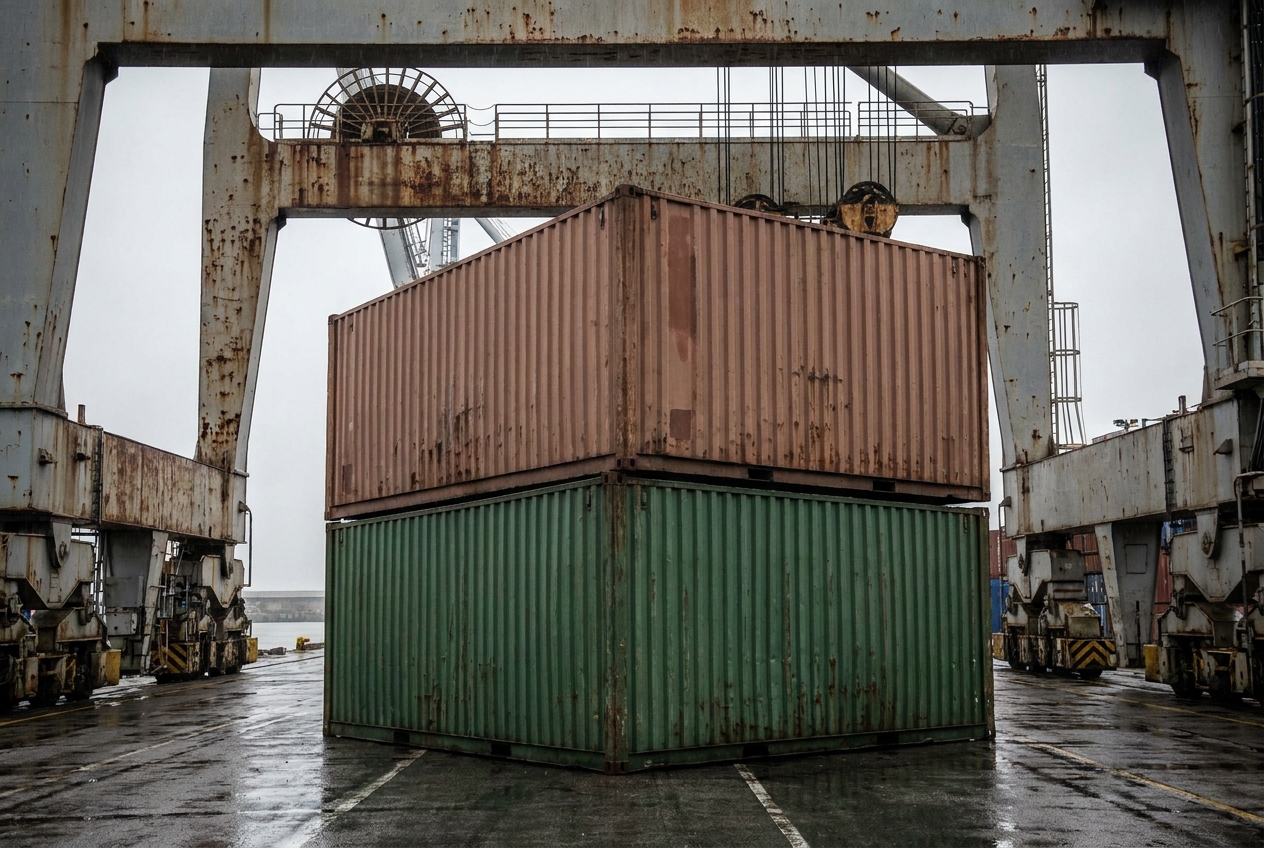
FCL is a full container load: you reserve an entire ocean container, most commonly a 20-foot, 40-foot, or 40-foot high-cube box, for your shipment only. The container is stuffed and sealed at origin and stays sealed until it reaches the consignee, so no other cargo touches it. LCL is a less-than-container load: a consolidator groups your pallets with cargo from other shippers to fill one container, and you are charged for the portion of space your freight occupies rather than for the whole box.
You do not have to fill a container completely to justify FCL. Many shippers book a full 20-foot container even when it is only partly full, because the flat container rate can still beat per-CBM LCL charges once volume climbs. Understanding how the two modes are priced is the core of the decision, and it connects to the wider picture in our ocean freight shipping guide.
How do FCL and LCL differ on cost?
FCL is priced as a flat rate per container regardless of how full it is, while LCL is priced on the space or weight your cargo uses. That single difference drives everything else. For a few pallets, paying only for your slice of a container is far cheaper than renting the whole box. As your volume grows, the per-CBM LCL charge keeps rising until it approaches, then exceeds, the fixed FCL rate.
LCL is usually billed on a weight-or-measure basis: the carrier charges per cubic meter or per 1,000 kilograms, whichever is greater. Dense, heavy freight can therefore be billed on its weight, not its footprint, which surprises shippers who assumed a small pallet would be cheap. LCL also carries more fixed per-shipment fees at both ends, such as consolidation, deconsolidation, and container freight station handling, so a small shipment's effective per-CBM cost can be higher than the headline rate suggests. Running both scenarios through a container load calculator shows how close you are to filling a box before you request quotes.
How much longer does LCL take?
LCL almost always takes longer door to door than FCL on the same lane. The ocean leg is identical, but LCL adds time on both ends: the consolidator waits to gather enough cargo to fill the container at origin, then the container is unpacked and sorted at a container freight station at destination before your freight is released. Those consolidation and deconsolidation steps commonly add several days to more than a week compared with an FCL booking that sails sealed and is available shortly after discharge.
FCL gives you more schedule control. Because your box is not waiting on other shippers, it can be picked up, loaded, and dispatched to the next available vessel without a consolidation window. If your delivery date is tight or your inventory is running low, that predictability often matters more than the freight saving from LCL.
Which has more damage and handling risk?
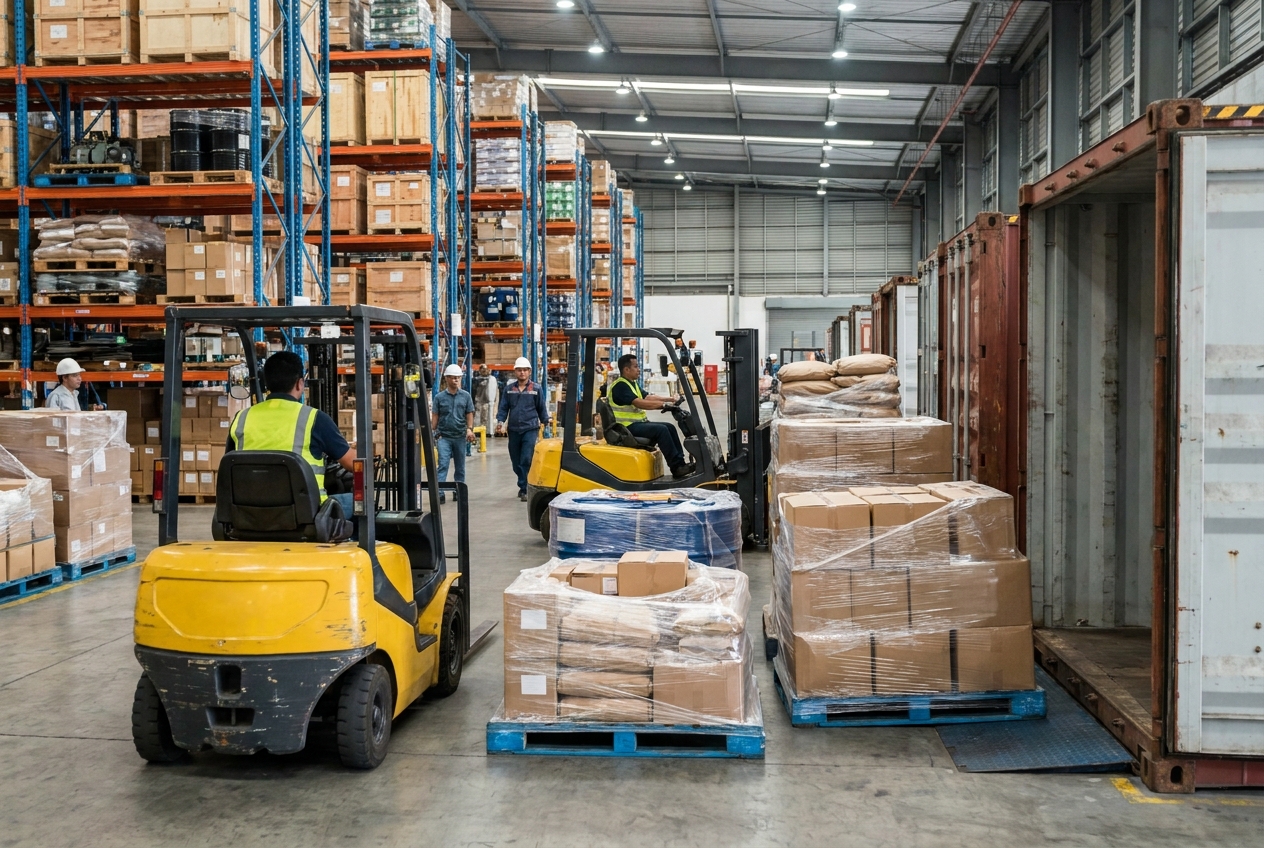
FCL generally sees less damage because it is handled fewer times: sealed at origin, opened at destination, with no one else's freight moving in and out along the way. LCL cargo is loaded and unloaded alongside other shippers' goods at consolidation and deconsolidation points, so it passes through more hands and sits next to freight you do not control. A poorly packed neighbor or a heavy carton stacked on lighter goods is a real LCL risk.
You can reduce LCL exposure with sturdy palletization, shrink wrap, corner protection, and clear labeling, and by buying appropriate cargo insurance. Even so, if your product is fragile, high-value, or awkward to stack, the sealed, single-shipper nature of FCL is worth weighing against the lower LCL freight cost.
At what volume does FCL beat LCL?
As a rough rule of thumb, FCL becomes the cheaper or roughly break-even option once a shipment reaches about 13 to 15 CBM, since that is near the point where accumulated per-CBM LCL charges approach the flat cost of a 20-foot container. Below that range, LCL usually wins on price; well above it, FCL almost always does. The exact crossover moves with the trade lane, the season, current ocean rates, and how heavy your cargo is, so treat 13 to 15 CBM as a starting signal, not a fixed cutoff.
It helps to know how much a container actually holds. A 20-foot container offers roughly 25 to 28 CBM of usable space, a standard 40-foot holds about 55 to 58 CBM, and a 40-foot high-cube around 60 to 68 CBM, depending on how well the load is stacked. If your volume is closing in on a full 20-foot box, booking FCL and leaving some air is often still cheaper than paying LCL rates on 18 to 20 CBM.
FCL vs LCL: a side-by-side comparison
| Factor | FCL (full container load) | LCL (less-than-container load) |
|---|---|---|
| Best for | Larger shipments, roughly 13 to 15 CBM and up | Small shipments, a few pallets up to about 13 to 15 CBM |
| Pricing | Flat rate per container regardless of fill | Per CBM or per 1,000 kg, whichever is greater |
| Transit time | Faster; sailed sealed, no consolidation wait | Slower; adds consolidation and deconsolidation |
| Handling risk | Lower; sealed origin to destination | Higher; shares space and touchpoints |
| Schedule control | More; your box moves on its own | Less; waits on other cargo to fill the box |
| Typical fixed fees | Fewer per-shipment surcharges | More origin and destination handling fees |
Worked example: choosing by CBM
Say you import furniture and your shipment is 12 pallets at 1.2 by 1.0 by 1.1 meters each. Volume is 1.2 times 1.0 times 1.1, which is about 1.32 CBM per pallet, or roughly 15.8 CBM total. That total sits just above the 13 to 15 CBM signal, and it is more than half of a 20-foot container's usable space. In this case, quoting a full 20-foot FCL is likely worthwhile: the flat container rate may match or undercut LCL charges on nearly 16 CBM, and you gain the faster, sealed transit.
Now shrink the same order to 4 pallets, about 5.3 CBM. That is comfortably in LCL territory, well under a fifth of a 20-foot box, so paying only for your space should be clearly cheaper than renting the whole container. The lesson is to calculate your true CBM first, compare it against container capacity, then request both an FCL and an LCL quote whenever you land near the crossover. Duties and fees also shift your all-in number, so run your total through a landed cost calculator before you decide.
How do you decide which to use?
Start with volume, then layer in timing and cargo type. If you are clearly under about 13 CBM and not in a rush, LCL is usually the right call. If you are near or above that range, need tighter schedule control, or ship fragile or high-value goods, lean FCL and get a container quote to compare. Whenever you are close to the line, price both, because the crossover moves with rates and lanes.
A good forwarder will run this comparison for you and flag when heavy freight tips LCL onto weight-based billing or when filling a box makes FCL the obvious choice. If you are new to this, our guide on what a freight forwarder does explains how they book space and consolidate cargo. When you are ready to line up providers, you can compare vetted international freight companies in the directory. For customs and import requirements on either mode, U.S. Customs and Border Protection outlines the process for commercial importers at CBP, and the U.S. Bureau of Transportation Statistics publishes trade and freight data at BTS.
Frequently asked questions
What is the difference between FCL and LCL?
FCL (full container load) books an entire ocean container for one shipper's cargo, so the box moves sealed from origin to destination. LCL (less-than-container load) consolidates several shippers' cargo into one shared container, and you pay only for the space your goods occupy, measured in cubic meters.
At what volume does FCL become cheaper than LCL?
As a rough rule of thumb, FCL often becomes the cheaper or roughly equal option once a shipment reaches about 13 to 15 cubic meters (CBM), because that is close to the point where LCL per-CBM charges approach the flat cost of a 20-foot container. The exact crossover moves with lane, season, and rates, so price both.
Is LCL slower than FCL?
Usually yes. LCL adds consolidation at origin and deconsolidation at destination, plus extra handling at container freight stations, so it commonly runs several days to over a week longer door to door than an equivalent FCL booking on the same lane.
Does LCL have a higher risk of damage?
Generally, because LCL cargo is loaded and unloaded alongside other shippers' freight and handled more times at consolidation points. FCL is sealed at origin and opened at destination, which reduces touchpoints. Sturdy palletization and clear labeling lower LCL risk.
How is LCL priced?
LCL is typically billed on a weight-or-measure basis: the carrier charges per cubic meter or per 1,000 kg, whichever is greater. Dense, heavy freight can therefore be billed on weight rather than volume, which is worth checking before assuming LCL is cheap.
How much cargo fits in a container?
A 20-foot container holds roughly 25 to 28 CBM of usable space, a standard 40-foot holds about 55 to 58 CBM, and a 40-foot high-cube holds around 60 to 68 CBM, depending on packaging and load pattern.
Ready to compare providers?
Search the directory by service and location, save options to your shortlist, and send a clear RFQ.
Related guides
What Is a Customs Broker and Do You Need One?
A customs broker is a person or firm licensed by CBP to file entries and clear imports for you. Here is what they do and when you actually need one.
What Is a Commercial Invoice in Shipping?
A commercial invoice is the seller's bill of sale that customs uses to assess duty and value on an import, and getting its required fields right is what keeps a shipment from being held.
Incoterms Explained: Who Pays and Who Bears Risk
A plain-English guide to all 11 Incoterms 2020 rules, showing who arranges carriage, who pays freight, and exactly where risk passes from seller to buyer.