
What Is Customs Clearance? The Import Process
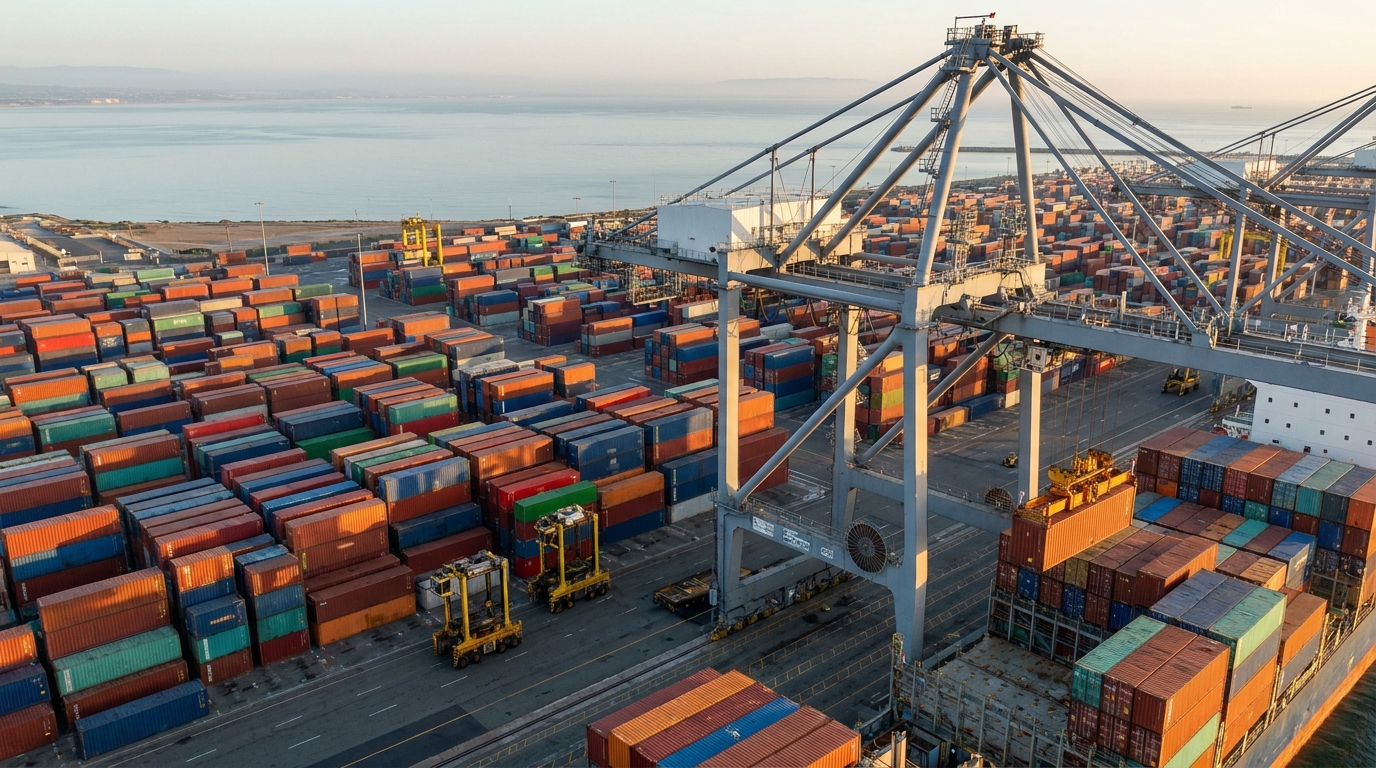
Customs clearance is the process of getting an imported shipment legally released by the customs authority so it can move to its destination. In the United States that authority is U.S. Customs and Border Protection (CBP), and clearance means declaring the goods, filing an entry, paying any duties and taxes owed, and satisfying CBP that the cargo may enter the country. Until an import clears customs, it cannot leave the port, airport, or bonded facility where it arrived.
Key takeaways
- Customs clearance covers everything from the pre-arrival security filing through entry, duty assessment, and final release by CBP.
- The importer of record is legally responsible for a correct entry and for the duties, even when a licensed customs broker files the paperwork.
- Duties and taxes are driven by the product's HTS classification, its declared customs value, and its country of origin.
- Most complete, low-risk entries clear in a day or two; exams, document gaps, and partner-agency holds are what cause delays.
- Accurate classification, valuation, and documents up front prevent the majority of avoidable holds.
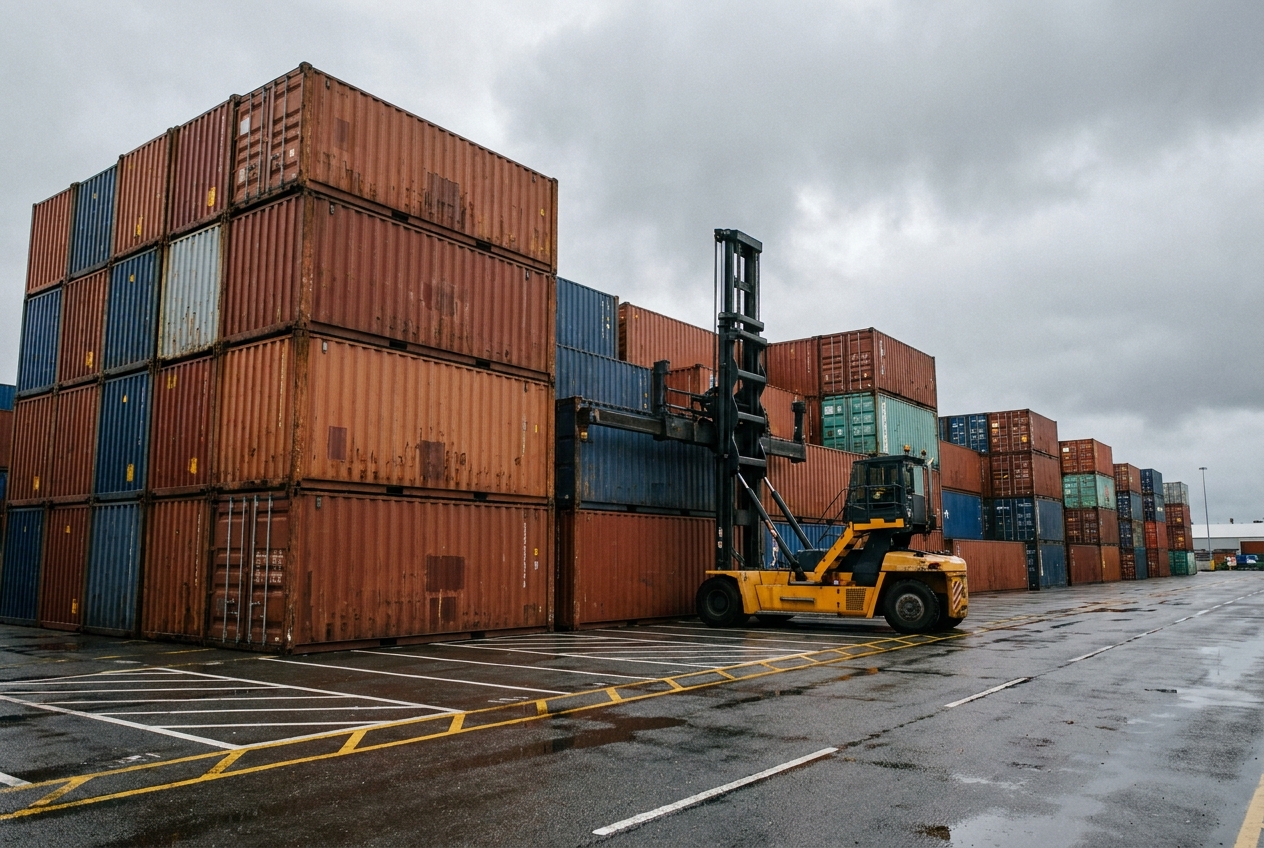
What is customs clearance?
Customs clearance is the regulatory gate every commercial import passes through before it can enter U.S. commerce. It is not a single stamp but a sequence: the carrier and importer transmit data about the cargo, CBP reviews it against admissibility and revenue rules, duties and fees are calculated and paid, and CBP either releases the goods or holds them for examination. The shipment is "cleared" only when CBP grants release.
Clearance applies whether cargo arrives by ocean, air, truck, or rail, though the timing and pre-arrival filings differ by mode. The underlying goal is the same: prove the goods are legal to import, declare them accurately, and pay what is owed.
What are the steps in the customs clearance process?
The process runs from a pre-arrival security filing through the final release message. For a typical ocean import, the sequence looks like this.
| Step | What happens | Who does it |
|---|---|---|
| 1. Security filing (ISF / manifest) | The Importer Security Filing (ISF, or 10+2) is transmitted before ocean cargo is laden abroad; the carrier files its cargo manifest. | Importer or broker (ISF); carrier (manifest) |
| 2. Entry filing | An entry and entry summary are filed electronically in CBP's ACE system, declaring the goods, their HTS classification, value, and origin. | Customs broker (or importer) |
| 3. Duty and tax assessment | CBP calculates duties, the merchandise processing fee, harbor maintenance fee, and any additional tariffs; the importer pays or posts a bond. | CBP assesses; importer pays |
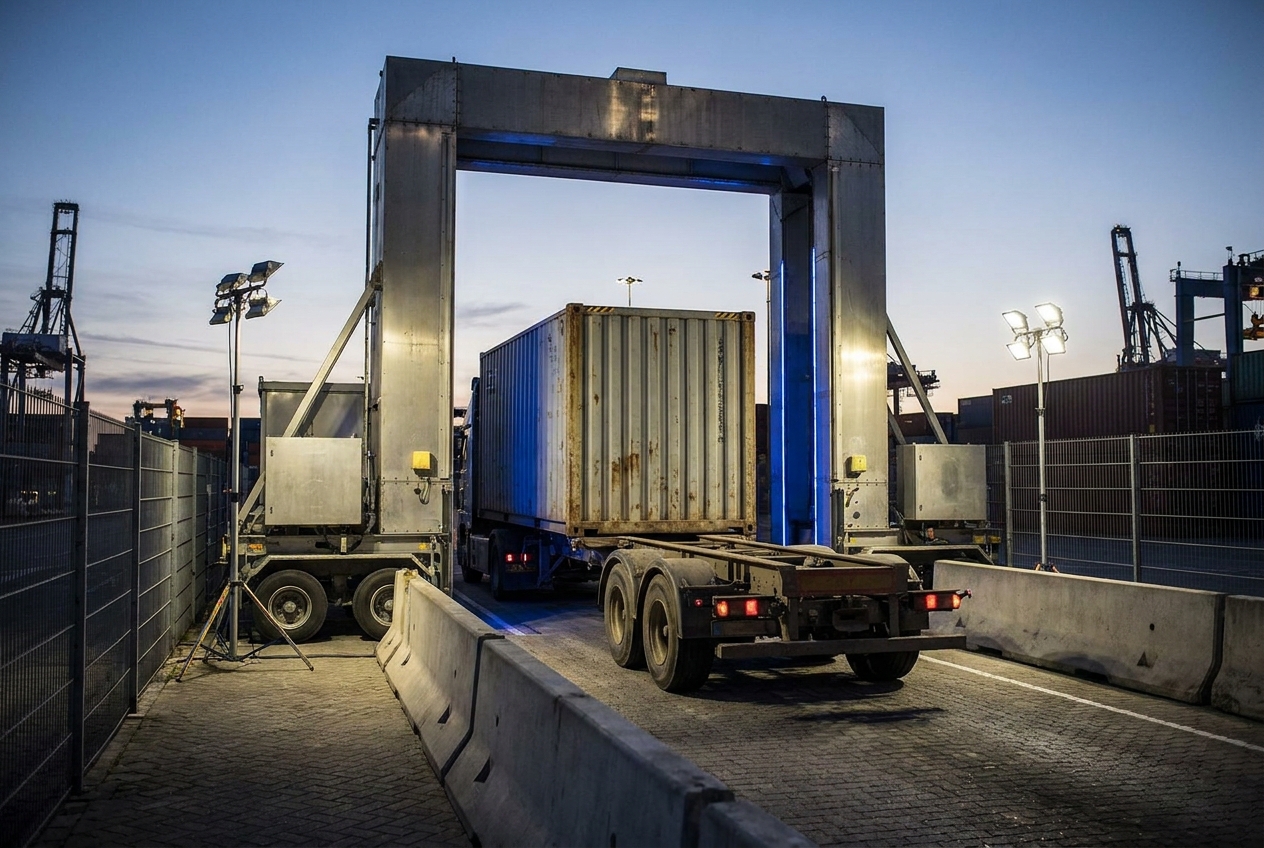
| 4. Review, exam, or release | CBP either releases the cargo, requests documents, or selects it for an X-ray or physical exam. Release lets the goods leave the port. | CBP |
The security filing and entry can often be prepared before the ship arrives, which is why well-documented shipments sometimes show "released" almost as soon as they land. CBP describes the electronic backbone for all of this, the Automated Commercial Environment, on its official website.
Who is responsible for clearing customs?
Three parties matter, and it helps to be precise about each. The importer of record is the party legally responsible for the entry being correct and for paying the duties. That is usually the buyer or consignee, and the liability does not transfer even when someone else files the paperwork.
A licensed customs broker is the agent most importers hire to actually prepare and transmit the entry, classify the goods, and interface with CBP. A broker is not required by law, but classification, valuation, and partner-agency rules are unforgiving, so most commercial importers use one. If you are weighing that decision, our guide to what a customs broker is and how they differ from a freight forwarder breaks down the roles.
CBP is the government agency that enforces the rules, assesses duties, decides on exams, and grants release. It also acts on behalf of partner government agencies that regulate specific goods. You can compare licensed providers on our customs brokerage directory.
How are duties and taxes assessed?
Duties are driven by three things: how the product is classified, what it is worth, and where it was made. Classification uses the Harmonized Tariff Schedule, a numeric code that sets the duty rate for a given product; our explainer on the HTS code covers how those numbers are built and why a wrong digit can change the rate. The declared customs value, usually the transaction value of the goods, is the base the rate is applied to. Country of origin then determines whether trade-agreement rates or additional tariffs apply.
On top of duty, most formal entries carry a merchandise processing fee and, for ocean shipments, a harbor maintenance fee. To estimate the full delivered cost before you commit, our landed cost calculator adds duty, fees, and freight into one number.
What documents does customs clearance require?
An entry stands or falls on its paperwork. At a minimum, most imports need a commercial invoice showing the parties, goods, and value, a packing list, a bill of lading or air waybill, and often a country-of-origin declaration. Regulated goods add certificates, permits, or agency-specific forms. A gap or inconsistency here, such as a value on the invoice that does not match the entry, is one of the fastest ways to trigger a hold. Our list of the documents a customs broker needs walks through what to have ready before you ask for clearance.
Why do shipments get held or delayed at customs?
Most delays are avoidable and trace back to a handful of causes. The most common are an exam selection, incomplete or inconsistent documents, a suspected classification or valuation error, an unpaid or under-paid duty, an intellectual-property concern, or a hold placed by a partner government agency.
Partner-agency holds catch many first-time importers off guard. The FDA can detain food, drugs, and cosmetics; the USDA and EPA gate other categories. These holds sit on top of the CBP entry, so the goods stay put until the second agency is satisfied. The practical defense is the same in every case: file the ISF on time, classify accurately, declare the real value, and have complete documents ready before arrival.
How long does customs clearance take?
Timing depends on paperwork quality and whether CBP examines the cargo, not on a fixed clock. A clean, low-risk entry with a broker who filed before arrival can be released within a day or two of landing, and sometimes on arrival. Add an exam or a document request and the same shipment can take several days to a couple of weeks.
Consider a shipper importing 800 cartons of housewares by ocean. The broker files the ISF while the goods are still overseas and lodges the entry a few days before the vessel berths. Because the HTS classification, invoice value, and packing list all line up, CBP issues release the morning the container is available, and the drayage carrier pulls it that afternoon. Had the invoice value not matched the entry, CBP would likely have issued a request for information first, pushing release out by days and racking up per-diem and demurrage charges at the terminal. That gap in outcome, from hours to weeks, is almost entirely a function of preparation. When you are ready to line up help, you can compare logistics and customs providers in one place.
Frequently asked questions
What does customs clearance mean?
Customs clearance is the process of presenting an import to the customs authority (in the U.S., CBP), filing the required entry paperwork, paying any duties and taxes owed, and getting the goods legally released to move to their destination.
Who is responsible for customs clearance?
The importer of record is legally responsible for a compliant entry and for paying duties. Most importers hire a licensed customs broker to prepare and file the entry on their behalf, but the legal liability stays with the importer of record.
How long does customs clearance take?
Many low-risk shipments with complete paperwork clear within a day or two of arrival, and some release before the vessel or aircraft even lands. A shipment flagged for exam or a document problem can take several days to a couple of weeks.
Do I need a customs broker to clear customs?
You are not legally required to use a broker, but most commercial importers do because entries must be filed electronically in CBP's ACE system and classification, valuation, and partner-agency rules are easy to get wrong. Brokers file thousands of entries and carry that expertise.
What is an ISF filing?
The Importer Security Filing (ISF, or 10+2) is a data set an ocean importer must transmit to CBP before the cargo is laden on the vessel bound for the U.S. Filing it late or inaccurately can trigger penalties and holds even if the rest of the entry is clean.
Why would a shipment be held at customs?
Common reasons include a flagged exam, missing or inconsistent documents, an unpaid or disputed duty, a suspected valuation or classification error, intellectual-property concerns, or a hold placed by a partner government agency such as the FDA, USDA, or EPA.
Ready to compare providers?
Search the directory by service and location, save options to your shortlist, and send a clear RFQ.
Related guides
How to Read a 3PL Invoice (and Catch Overcharges)
A line-by-line guide to reading a 3PL invoice, reconciling it against your contract and order data, and catching the hidden or double-billed fees that quietly inflate your bill.
What Is OTIF (On-Time In-Full)?
OTIF (on-time in-full) is a retail scorecard metric that grades whether a supplier delivered the full quantity, to the right place, inside the retailer's booked delivery window.
What Is EDI in Logistics?
EDI is the standardized, computer-to-computer exchange of orders, shipping notices, and invoices that retailers and 3PLs require to trade without manual re-keying.