
How to File a Freight Claim for Damaged Goods
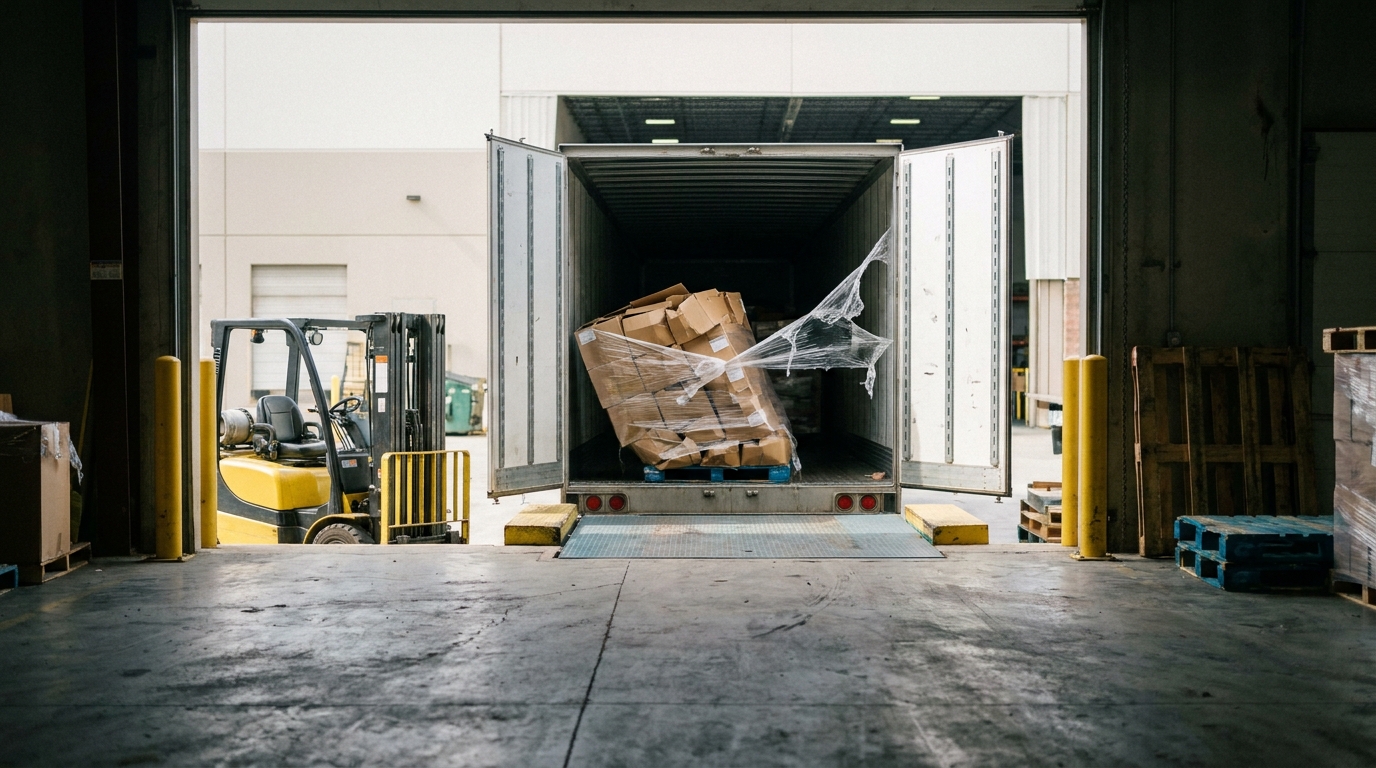
A freight claim is a formal written demand for reimbursement you file with a carrier when a shipment arrives damaged, short, or lost while it was in the carrier's care. Filing one is not the same as calling to complain: it is a legal request for payment, and interstate motor carriers are governed by the Carmack Amendment, a federal statute that makes the carrier liable for loss or damage but also lets it limit what it pays. Winning a freight claim comes down to three things you control at delivery and in the days after: documenting the damage on the delivery receipt, gathering the right paperwork, and filing before the deadline in the bill of lading.
Key takeaways
- Note any visible damage on the delivery receipt or proof of delivery before you sign, and photograph everything before it moves.
- Concealed damage found after unpacking must usually be reported fast, often within about five days, or the carrier can argue it happened after delivery.
- Standard interstate bill of lading terms commonly require a written claim within a minimum of nine months from delivery.
- Carriers pay actual value, typically your cost of the goods, and a released-value rate can cap that to a set amount per pound.
- A complete claim packet includes the bill of lading, freight invoice, vendor invoice, delivery receipt with exceptions, and dated photos.
What is a freight claim and when should you file one?
A freight claim is a written demand for the dollar value of goods that were damaged, lost, or delivered short during transit. File one whenever the product you receive is not in the condition or quantity the carrier accepted it in, and the loss is worth more than the effort and any deductible. Common triggers are crushed or punctured cartons, a shifted or tipped pallet, water or temperature damage, a missing pallet on a multi-pallet shipment, or a shipment that never arrives. A cargo claim is separate from a billing dispute over freight charges; this guide covers loss and damage. The bill of lading is the anchor document for any claim, because it records what the carrier accepted.
How do you file a freight claim step by step?
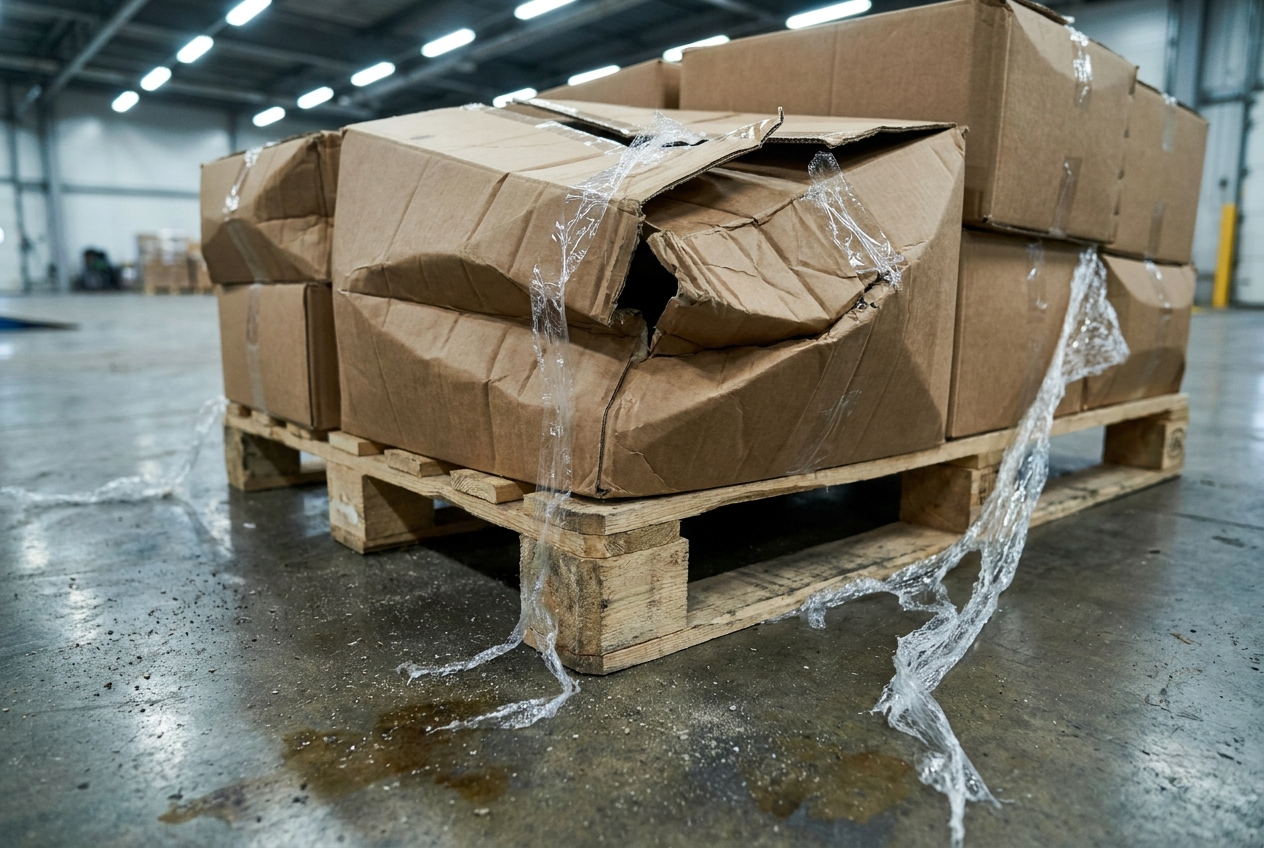
Filing a freight claim is a defined process, and skipping a step early is what gets claims denied later. Follow this sequence:
- Inspect before you sign. Check the count and the condition of the freight against the delivery receipt while the driver is present.
- Note exceptions on the delivery receipt. Write exactly what is wrong (for example, "2 cartons crushed, top layer," or "1 of 4 pallets missing") and keep your signed copy.
- Photograph everything. Capture the packaging, the damage, the pallet, and any carrier labels before you move or unstack anything.
- Mitigate the loss. You are generally expected to prevent further damage and to preserve the goods and packaging for inspection rather than discarding them.
- Notify the carrier promptly, especially for concealed damage, and request a claim form or portal link.
- Assemble the documentation (below) and submit a written claim with a specific dollar amount.
- Track and follow up. Carriers acknowledge and investigate; keep a record of your claim number and every contact.
Visible damage vs concealed damage: what is the difference?
Visible damage is apparent at the moment of delivery and must be recorded on the delivery receipt before you sign. Concealed damage is found later, after the driver has gone and you open the packaging, and it is harder to prove because the carrier no longer has the freight to inspect. The distinction changes your deadline and your evidence burden.
| Factor | Visible damage | Concealed damage |
|---|---|---|
| When discovered | At delivery, driver present | After unpacking, driver gone |
| Where to note it | On the delivery receipt or POD before signing | Reported to carrier as soon as found |
| Typical reporting window | Recorded at delivery | Often about 5 days, per carrier tariff |
| Main challenge | Proving extent of loss | Proving damage occurred in transit |
For concealed damage, stop unpacking the moment you see a problem, save the packaging exactly as it is, photograph it in place, and call the carrier the same day. The faster you report, the weaker the argument that the damage happened on your dock.
Why does noting exceptions on the delivery receipt matter so much?
The delivery receipt, also called the proof of delivery, is the carrier's own record that the freight arrived in a certain condition. If you sign it clean with no exceptions, you are effectively certifying the shipment arrived in good order, and the carrier will use that against a later claim. Signing "clear" is the single most common reason claims fail. Write specific, factual exceptions, count the pieces, and never accept a driver's promise to "note it back at the terminal." If the driver refuses to wait for a full inspection, note that refusal on the receipt too. This is one of the practical things worth raising up front, and our guide to questions to ask a long-haul trucking company covers how to set delivery expectations before you book.
How long do you have to file a freight claim?
Standard bill of lading terms for interstate motor carriers commonly set a minimum window of nine months from the delivery date to file a written claim, and at least two years after a claim denial to file a lawsuit. These are longstanding minimums tied to the Carmack Amendment framework rather than numbers you should assume for every shipment. Your actual deadline lives in the carrier's tariff and the bill of lading, and concealed-damage reporting windows are far shorter than the overall claim window. Confirm the specific dates in writing and treat the earliest one as your deadline. The Federal Motor Carrier Safety Administration is the federal authority overseeing interstate motor carriers, and its rules sit alongside the statutory liability regime.

What documentation do you need to file a freight claim?
A freight claim is only as strong as its paperwork. Assemble a complete packet before you submit so the carrier cannot stall on missing documents:
- Bill of lading. Establishes what the carrier accepted and the terms.
- Freight invoice or paid freight bill. Shows the shipment and charges.
- Original vendor or commercial invoice. Proves the value of the goods, which is what the claim is based on.
- Delivery receipt with noted exceptions. The damage record at delivery.
- Dated photographs. Packaging, product, pallet, and labels.
- Supporting figures. Repair estimates, a salvage value or disposition, and any inspection report.
State one specific dollar amount and show how you calculated it. Vague or open-ended demands slow everything down.
How does carrier liability and the Carmack Amendment work?
Under the Carmack Amendment, an interstate motor carrier is liable for the actual loss or damage to the goods it transports, but the amount can be limited by the rate you shipped under. Carriers generally pay the actual value of the goods, usually your cost, not the retail price or lost profit, and that figure can be capped by a released-value rate. Released value means you accepted a lower rate in exchange for the carrier's liability being limited to a set amount per pound; full-value coverage pays actual value with no per-pound cap and costs more. If a dispute goes further, it helps to confirm the carrier's operating authority and safety record, which are on file with the FMCSA carrier registration system.
| Basis of liability | What it pays | Trade-off |
|---|---|---|
| Released value | Capped at a set dollar amount per pound | Lower freight rate, limited recovery on high-value goods |
| Full value | Actual value of the goods, no per-pound cap | Higher cost, fuller recovery |
Check which basis applied to your shipment before you estimate what a claim can recover. For a dense pallet of high-value product, a released-value rate can leave the carrier owing a fraction of what you lost. Reducing that exposure starts before the truck arrives, which is where preventing freight damage through better packaging and palletizing pays off. When you compare providers, ask how each handles claims and what liability basis their rates carry; you can browse vetted carriers in the LTL freight directory or start from the full logistics directory.
A worked example: a damaged LTL pallet
Say you receive an LTL shipment of four pallets and one arrives leaning hard with two crushed cartons on top. You count the pieces, write "1 pallet shifted, 2 cartons crushed, top layer" on the delivery receipt, photograph the pallet before it comes off the truck, and keep your signed copy. The damaged goods cost you 1,800 dollars, but you shipped under a released-value rate capped at a set amount per pound, and the crushed cartons weigh 120 pounds, so the cap may limit recovery below your full cost. You still file for the actual value with the vendor invoice, the freight bill, the annotated delivery receipt, and the photos, and you state the exact amount. Because you documented the damage at delivery and filed inside the window, the carrier evaluates a well-supported claim, and if it applies the liability cap you understand why. Had the pallet looked fine and you found the crushed product two days later, you would treat it as concealed damage: stop, save the packaging, photograph it in place, and report it the same day.
Frequently asked questions
What is a freight claim?
A freight claim is a formal written demand you submit to a carrier for financial reimbursement when a shipment arrives damaged, short, or lost while in the carrier's care. It is a legal request for payment, not a customer-service complaint, and it is governed for interstate motor carriers by the Carmack Amendment.
How long do I have to file a freight claim?
Standard bill of lading terms for interstate carriers commonly require you to file a written claim within a minimum window of nine months from the delivery date, and to file any lawsuit within at least two years after a claim is denied. Always confirm the exact deadline in your carrier's tariff and bill of lading, because concealed-damage windows can be far shorter.
What is the difference between visible and concealed damage?
Visible damage is apparent at delivery and must be written on the delivery receipt or proof of delivery before you sign. Concealed damage is discovered after the driver leaves, once packaging is opened, and must usually be reported to the carrier within a short window, often around five days, or the carrier may argue the damage happened after it released the freight.
What documents do I need to file a freight claim?
At minimum you need the bill of lading, the freight invoice or paid freight bill, the original vendor or commercial invoice showing the value of the goods, the delivery receipt with any noted exceptions, and dated photos of the damaged packaging and product. Repair estimates or a salvage disposition help support the claimed amount.
Will a carrier pay the full retail value of damaged goods?
Usually not. Carriers pay the actual value of the goods lost or damaged, typically your cost, not retail price or lost profit, and that amount can be capped by a released-value rate that limits liability to a set dollar figure per pound. Full-value coverage pays actual value with no per-pound cap but costs more.
Does noting damage on the delivery receipt guarantee payment?
No. Noting an exception on the delivery receipt preserves your right to claim and makes the carrier's own record show the freight arrived damaged, which is critical evidence. The carrier still evaluates cause, liability limits, and your documentation before approving or denying the claim.
Ready to compare providers?
Search the directory by service and location, save options to your shortlist, and send a clear RFQ.
Related guides
Driver English Language Proficiency: What Shippers Should Know
Driver English language proficiency is a longstanding FMCSA requirement now enforced as an out-of-service condition, and here is what it means for shippers.
Hazmat Shipping Requirements: A Shipper Guide
What shippers must get right to move hazardous materials legally: the nine DOT hazard classes, UN numbers, packing groups, placards, shipping papers, packaging, and training.
What Is Heavy Haul Trucking? Permits and Escorts
Heavy haul trucking moves loads too large or heavy for a standard trailer, using specialized equipment, state permits, and escorts. Here is how it works.