
Bill of Lading Explained: Types and Why It Matters
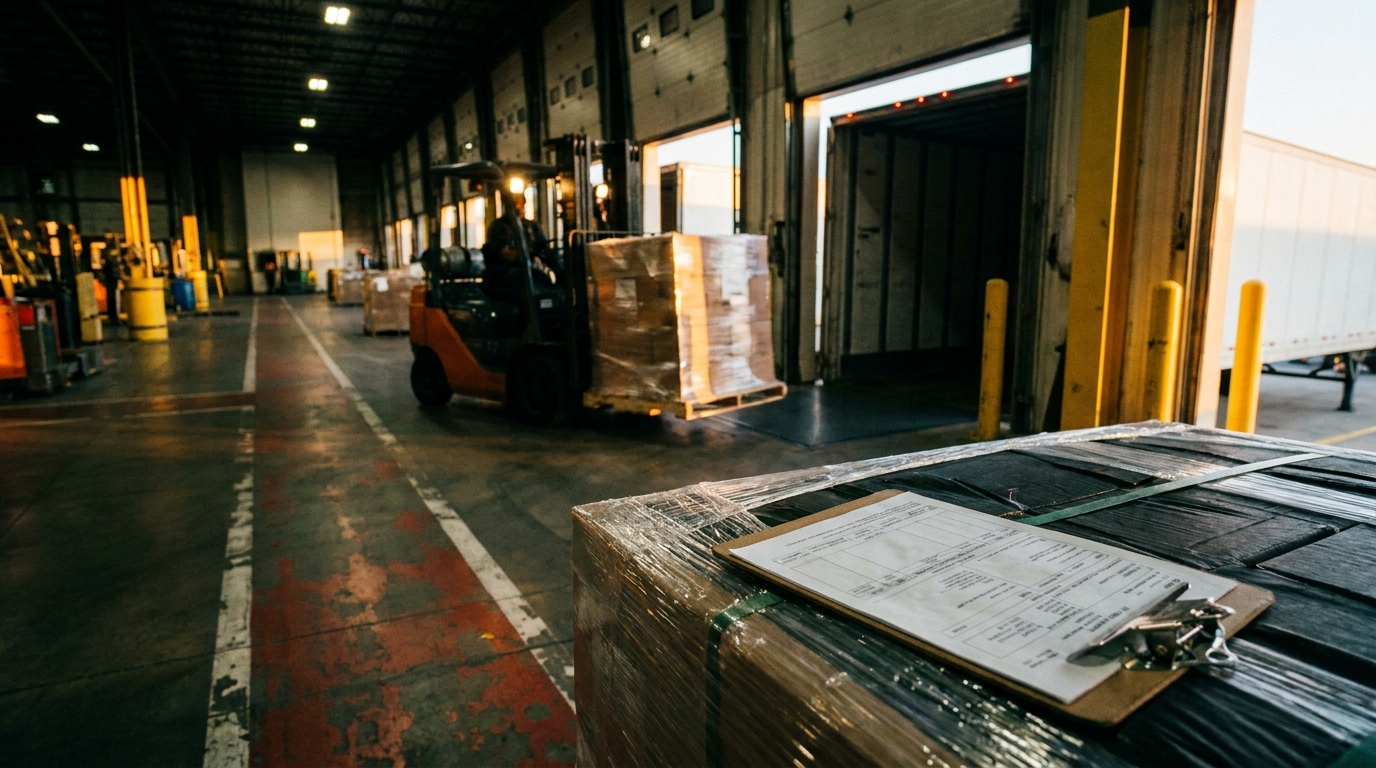
A bill of lading (BOL) is the core legal document that travels with a freight shipment, and it does three jobs at once: it is the carrier's receipt for the goods, the contract of carriage that sets the terms of the move, and, for many ocean and negotiable shipments, the document of title that determines who controls the cargo. Get the details right and the bill of lading protects your rate, your delivery, and your right to file a claim. Get them wrong and it works against you on every one of those fronts.
Key takeaways
- A bill of lading serves three roles: receipt of goods, contract of carriage, and (for negotiable and ocean freight) document of title.
- A straight bill of lading is non-negotiable and names one consignee; an order bill of lading is negotiable and can be endorsed to transfer control of the goods.
- A sea waybill is non-negotiable and cannot be used to transfer title, but it speeds up release because no original document has to be presented.
- The description of goods on the BOL drives freight classification and billing, so an inaccurate weight, class, or piece count usually raises your invoice.
- The signed bill of lading is your baseline record of quantity and condition at pickup, which is what a later freight claim stands or falls on.
What is a bill of lading?
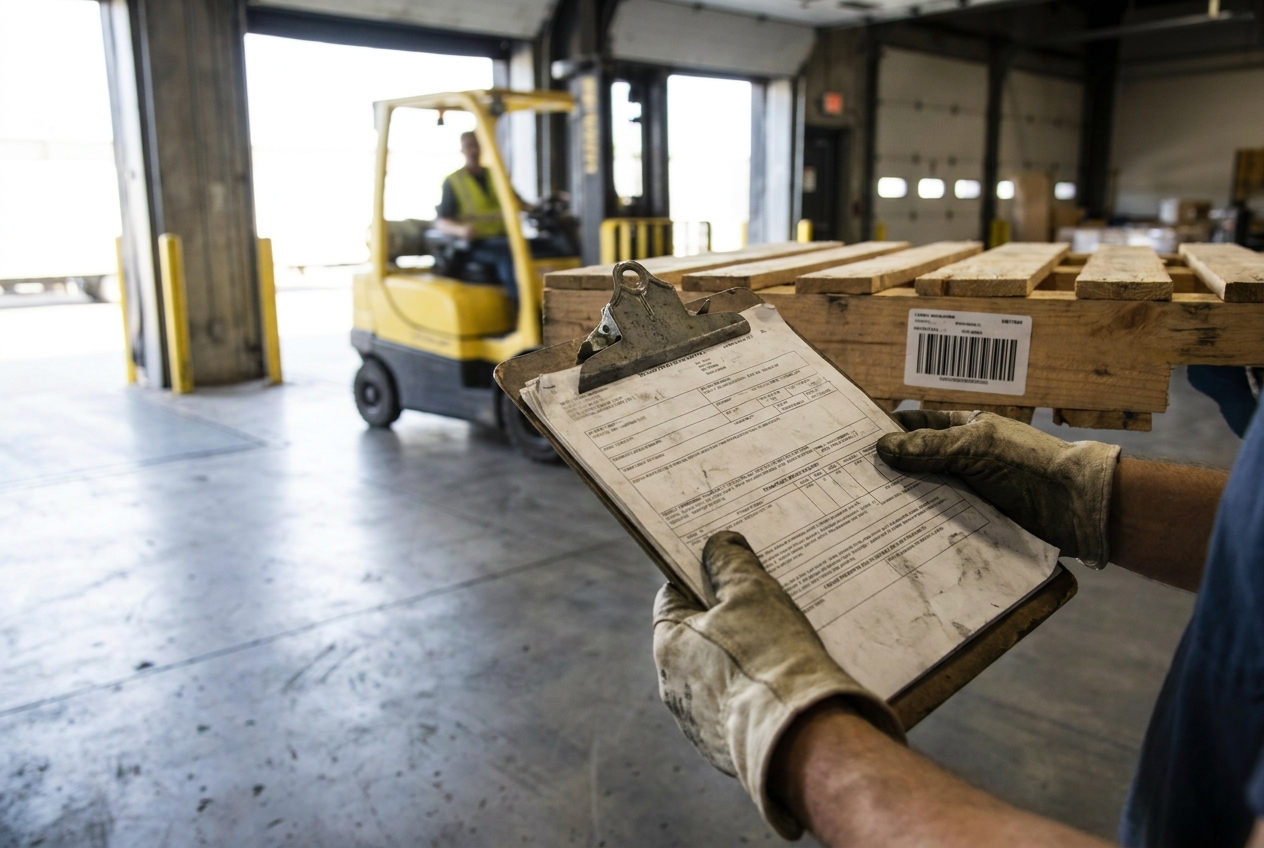
A bill of lading is a transport document issued and signed by the carrier when it takes possession of a shipment. Its first role is a receipt: it confirms the carrier received a stated quantity of goods in stated condition. Its second role is the contract of carriage, spelling out the origin, destination, parties, and the terms and liability limits under which the goods move. Its third role, on negotiable and ocean bills, is a document of title, meaning the document itself represents ownership or the right to take delivery of the goods.
Those three roles are why the BOL matters more than any other piece of shipping paperwork. A packing list or a commercial invoice describes what was sold; only the bill of lading is the carrier's binding acknowledgment of what it is now responsible for.
What are the main types of bill of lading?
The main types differ by whether they are negotiable and by mode. The three you will meet most often are the straight (non-negotiable) BOL, the order (negotiable) BOL, and the sea waybill. Ocean and inland moves also use a house bill (issued by a freight forwarder) versus a master bill (issued by the actual carrier), which describe the same cargo at different levels of the transport chain.
| Type | Negotiable? | Transfers title? | Original needed to release? | Common use |
|---|---|---|---|---|
| Straight BOL | No | No | No, consignee shows ID | Prepaid domestic LTL and FTL, goods already paid for |
| Order (negotiable) BOL | Yes | Yes, by endorsement | Yes, surrender an original | Ocean freight, letters of credit, sale in transit |
| Sea waybill | No | No | No, named consignee takes delivery | Ocean moves between trusted or related parties |
Straight vs order bill of lading: what is the difference?
The difference is who can take the goods and whether the document can be traded. A straight bill of lading consigns the cargo to one named party and cannot be transferred to anyone else; the carrier releases the freight to that consignee on proof of identity. It suits shipments that are already paid for, which is most domestic LTL and truckload freight.
An order bill of lading is made out "to the order of" a party and is negotiable, so it can be endorsed and handed on like a check. Whoever legally holds the original endorsed copy controls the goods, which is what lets a bank hold title as security under a letter of credit, or a trader sell a container while it is still at sea. That power comes with strictness: the carrier will not release cargo until an original is surrendered, so a lost or delayed original can strand a shipment at the port.
What is a sea waybill and when do you use it?
A sea waybill is a non-negotiable ocean transport document that names the consignee outright, so it works like a straight BOL for the sea. Because it is not a document of title, it cannot be endorsed or used as security, and there is no original to courier. The named consignee simply proves who they are and takes delivery.
Shippers choose a sea waybill when speed and trust outweigh the need for a title document, for example between a parent company and its own overseas subsidiary, or on open-account terms where no bank is holding the goods as collateral. If a letter of credit or a sale in transit is involved, you generally need a negotiable order bill instead.
What key fields must be on a bill of lading?
At minimum a usable BOL identifies the parties, the freight, and the terms. The fields that most often cause disputes are the ones describing the goods and who pays. Check these before you sign:
- Shipper, consignee, and bill-to party, with correct addresses and any third-party billing.
- Carrier name and pro number so the shipment can be tracked and matched to an invoice.
- Description of goods: piece count, packaging, weight, dimensions, and the NMFC freight class or commodity code.
- Freight terms: prepaid or collect, and any declared value.
- Special instructions and accessorials: liftgate, inside delivery, appointment, or hazmat details.
- Notations of condition or shortage at pickup and delivery, signed and dated.
If you ship internationally, this document set overlaps with what a broker needs at the border. Our guide on the documents a customs broker needs covers how the bill of lading fits alongside the commercial invoice and packing list.
How does BOL accuracy affect freight class and cost?
The description of goods on the bill of lading is what the carrier bills against, so an inaccurate weight, dimension, or class almost always changes your invoice. Carriers routinely reweigh and remeasure LTL freight; if the actual figures differ from the BOL, they reclassify the shipment and apply the corrected, usually higher, rate plus an inspection fee.
Consider a worked example. You tender four pallets described as class 70 at 1,800 lb total. The terminal reweighs them at 2,150 lb and finds the density supports class 85. The reweigh and reclass push the shipment above your quote, and the corrected charge lands on your invoice weeks later. You can estimate the right number up front with our freight class calculator, and it is worth understanding how accessorial charges stack on top of the base rate. Accurate BOL data is the cheapest insurance against surprise reclassification, a pattern that shows up across LTL freight providers.
How does the bill of lading protect you in a freight claim?
The signed BOL is the baseline evidence of what shipped and in what condition, which is exactly what a cargo claim turns on. If the piece count, weight, and "received in apparent good order" language are accurate, and any damage or shortage is noted and signed at delivery, you have a documented gap between what was tendered and what arrived. Skip those notations and the carrier can argue the goods left in the condition delivered.
Carrier liability under a domestic bill of lading is governed by the terms on the document and by federal law such as the Carmack Amendment, enforced through the FMCSA; ocean moves fall under separate international rules. When something goes wrong, follow the evidence trail in our guide on how to file a freight claim, and note the delivery exceptions on the BOL before the driver leaves. For imports, the CBP entry process relies on the same transport documents, so keeping them clean serves double duty.
Frequently asked questions
Is a bill of lading the same as an invoice?
No. A bill of lading is a transport document issued by the carrier that acts as a receipt, a contract of carriage, and often a document of title. A commercial invoice is a seller-to-buyer billing document that states the goods sold and their price. Customs and banks usually want both, but they serve different purposes.
Who issues the bill of lading?
The carrier or its agent issues and signs the bill of lading once the goods are received for shipment. In practice the shipper or a freight broker often prepares the draft, but the carrier's signature is what makes it a binding receipt and contract.
What is the difference between a straight and an order bill of lading?
A straight bill of lading is non-negotiable and consigns the goods to one named party, who takes delivery by proving identity. An order bill of lading is negotiable, is made out 'to order,' and can be endorsed and transferred, so whoever holds the original endorsed copy controls the goods.
Can a sea waybill be used to transfer ownership?
No. A sea waybill is non-negotiable and cannot be endorsed to a new party. It speeds up release because the named consignee does not need to present an original document, but for that reason it is not used when a bank or letter of credit needs a title document as security.
What happens if the bill of lading has the wrong weight or freight class?
An inaccurate description can trigger a carrier reweigh or reclassification, which usually raises the invoice above the quoted rate. Wrong piece counts or missing damage notes at pickup also weaken a later claim, because the signed bill of lading is the baseline record of what shipped and its condition.
Do I need the original bill of lading to pick up freight?
It depends on the type. For a negotiable order bill of lading, the carrier releases goods only against a surrendered original endorsed copy. For a straight bill of lading or a sea waybill, the named consignee can usually take delivery with identification, no original required.
Ready to compare providers?
Search the directory by service and location, save options to your shortlist, and send a clear RFQ.
Related guides
Driver English Language Proficiency: What Shippers Should Know
Driver English language proficiency is a longstanding FMCSA requirement now enforced as an out-of-service condition, and here is what it means for shippers.
Hazmat Shipping Requirements: A Shipper Guide
What shippers must get right to move hazardous materials legally: the nine DOT hazard classes, UN numbers, packing groups, placards, shipping papers, packaging, and training.
What Is Heavy Haul Trucking? Permits and Escorts
Heavy haul trucking moves loads too large or heavy for a standard trailer, using specialized equipment, state permits, and escorts. Here is how it works.