
Hazmat Shipping Requirements: A Shipper Guide
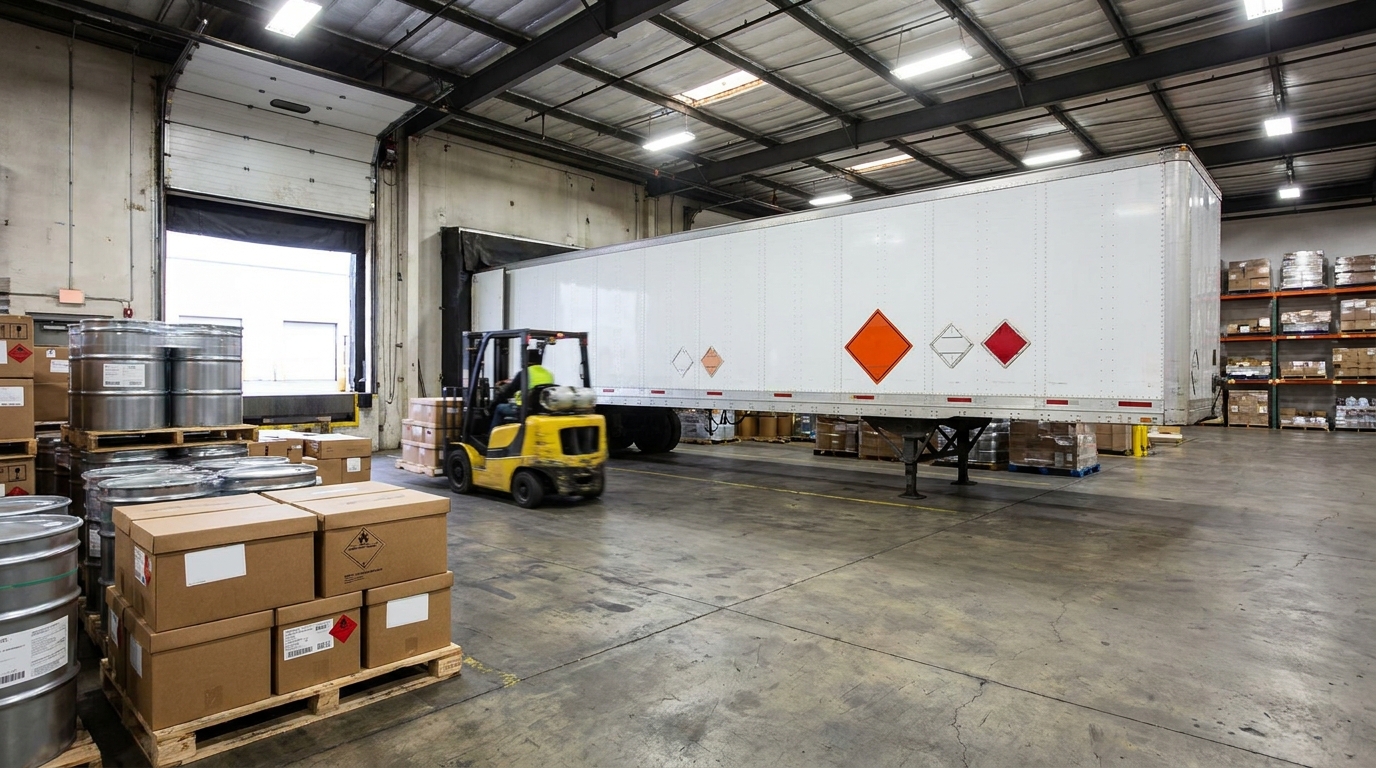
Hazmat shipping is the regulated process of packaging, documenting, labeling, and transporting hazardous materials so they do not endanger people, property, or the environment in transit. In the United States it is governed by the Pipeline and Hazardous Materials Safety Administration (PHMSA) through the Hazardous Materials Regulations, with the Federal Motor Carrier Safety Administration (FMCSA) enforcing the rules on the highway. Getting it right means correctly classifying the material into one of nine hazard classes, assigning the right identification number and proper shipping name, choosing authorized packaging, applying the correct placards, and sending complete shipping papers with the load. Miss any one of those and a shipment can be rejected, delayed, or fined.
Key takeaways
- Every regulated shipment needs four core identifiers: the UN or NA number, the proper shipping name, the hazard class, and, where it applies, the packing group.
- There are nine DOT hazard classes, and a single material can carry a primary class plus one or more subsidiary hazards.
- Packaging, placarding, and paperwork requirements scale with the hazard and the quantity, and some materials require placards at any amount.
- Anyone who classifies, packs, marks, or offers hazmat must be trained and certified by their employer before doing the job alone.
- Air and ocean shipments follow separate rulebooks (IATA and the IMDG Code), so confirm the mode before you pack a single box.
What counts as a hazardous material?
A hazardous material is any substance or article that PHMSA has determined can pose an unreasonable risk to health, safety, or property when transported in commerce. The practical test is the Hazardous Materials Table: if your material has an assigned proper shipping name, hazard class, and identification number there, it moves under the hazmat rules. This catches far more than obvious chemicals. Lithium batteries, aerosol cans, paint, hand sanitizer, dry ice, fireworks, pool chemicals, and many everyday consumer goods are regulated in transportation even though they sit on a store shelf without a second thought.
The obligation starts with you, the shipper, also called the offeror. You are responsible for classifying the material correctly, and that determination drives every downstream decision. The authoritative reference for whether something is regulated, and how, is PHMSA.
What are the nine DOT hazard classes?
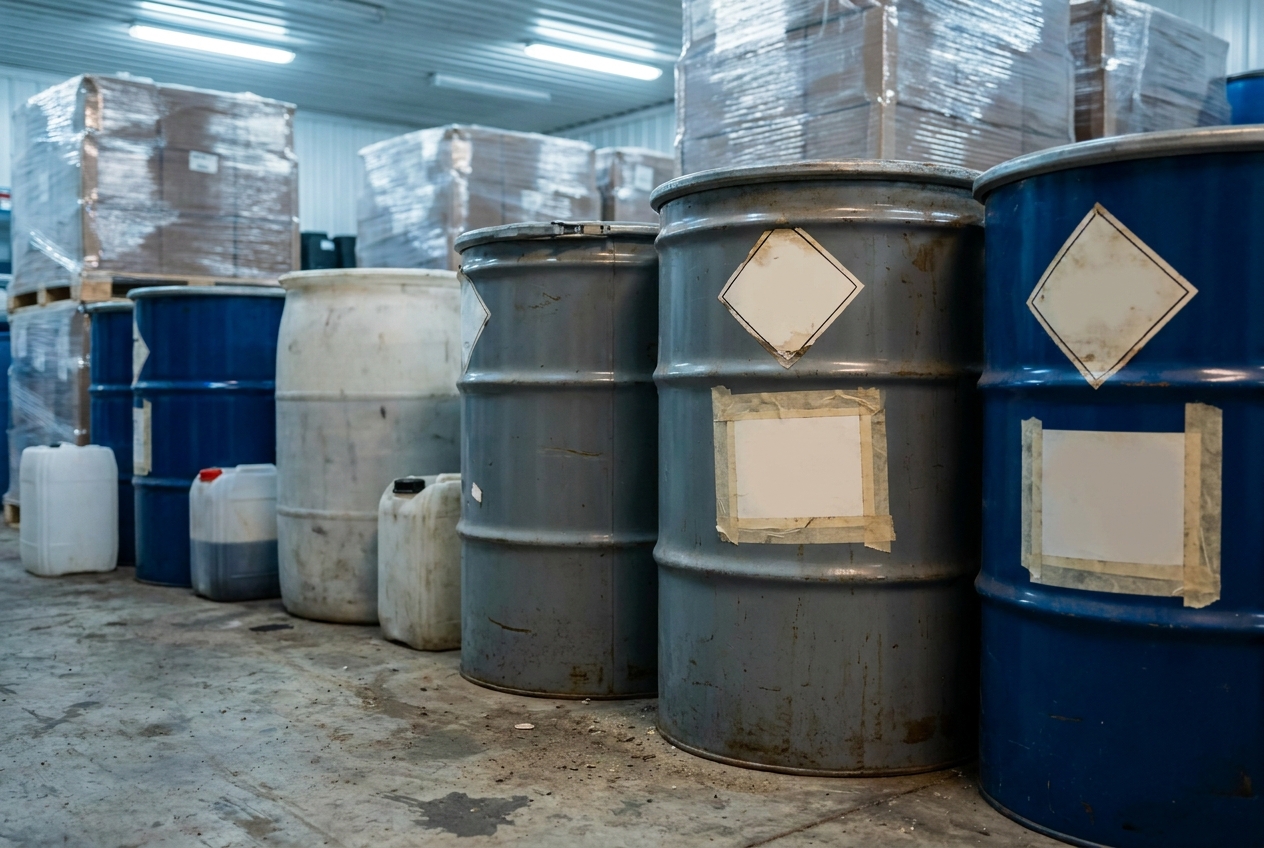
Hazardous materials are sorted into nine hazard classes based on the primary danger they present, from explosives in Class 1 to a catch-all of miscellaneous dangerous goods in Class 9. Many classes are further divided into divisions, and a material can carry a subsidiary hazard when it presents more than one risk. The class determines the diamond-shaped label and placard, the packaging standard, and much of the paperwork.
| Class | Category | Common examples |
|---|---|---|
| 1 | Explosives | Fireworks, ammunition, airbag inflators |
| 2 | Gases | Propane, oxygen cylinders, aerosols |
| 3 | Flammable liquids | Gasoline, paint, ethanol, many solvents |
| 4 | Flammable solids and reactive solids | Matches, some metal powders, self-heating goods |
| 5 | Oxidizers and organic peroxides | Pool chlorine, ammonium nitrate, hydrogen peroxide |
| 6 | Toxic and infectious substances | Pesticides, some medical or diagnostic samples |
| 7 | Radioactive material | Medical isotopes, certain gauges and instruments |
| 8 | Corrosives | Battery acid, sodium hydroxide, many cleaners |
| 9 | Miscellaneous dangerous goods | Lithium batteries, dry ice, magnetized material |
Class 9 is worth flagging because it captures two of the most common shipments modern brands handle: lithium batteries and dry ice. Both are regulated even though neither looks dramatic on a pick line. If your product includes a battery or ships frozen on dry ice, you are already a hazmat shipper.
How do you identify a material: UN number, shipping name, and hazard class?
Correct identification rests on three linked pieces of information that stay with the material from origin to delivery: the identification number, the proper shipping name, and the hazard class. Together they tell every handler and first responder exactly what they are dealing with.
UN and NA numbers
A UN number is a four-digit code that identifies a specific material or family of materials worldwide, such as UN1203 for gasoline or UN3480 for lithium ion batteries shipped on their own. Materials regulated only within North America instead carry an NA number. This number is what a firefighter looks up on scene, so it has to be right.
Proper shipping name
The proper shipping name is the exact description assigned in the Hazardous Materials Table, not the brand name or a plain-English label. "Gasoline" and "Paint" are proper shipping names; a marketing product title is not. Using the wrong name is one of the most common paperwork violations, because it breaks the chain of identification the whole system depends on.
What are packing groups and what do they mean?
Packing groups rank how dangerous a material is within its class, and they drive how robust the packaging must be. Packing Group I means high danger, Packing Group II medium danger, and Packing Group III minor danger. Not every class uses packing groups (explosives, gases, and radioactive material are handled differently), but for classes like flammable liquids, corrosives, and toxics, the packing group tells the packer which performance-tested container to reach for and sets quantity limits per package. A Packing Group I flammable liquid faces tighter limits and stronger packaging than a Packing Group III one, even though both wear a Class 3 label.
What packaging does hazmat require?
Most hazardous materials must travel in UN-specification packaging that has been performance-tested and certified for the hazard, the packing group, and the quantity. That container carries a UN packaging mark showing what it was built and tested to hold. You cannot simply reuse a random drum or a padded mailer and hope it survives.
Packaging is not just the outer box. The regulations govern inner receptacles, absorbent and cushioning material, closure instructions (how tightly a cap or bung is torqued), and orientation. Some materials also require special features such as pressure relief for certain gases or thermal protection. When your product needs temperature control and dry ice, the Class 9 dry ice rules stack on top of your cold-packaging design, which our cold chain packaging guide walks through in more detail. Match the container to the specification, follow the closure instructions exactly, and keep the certification records.
When does a hazmat shipment need placards?
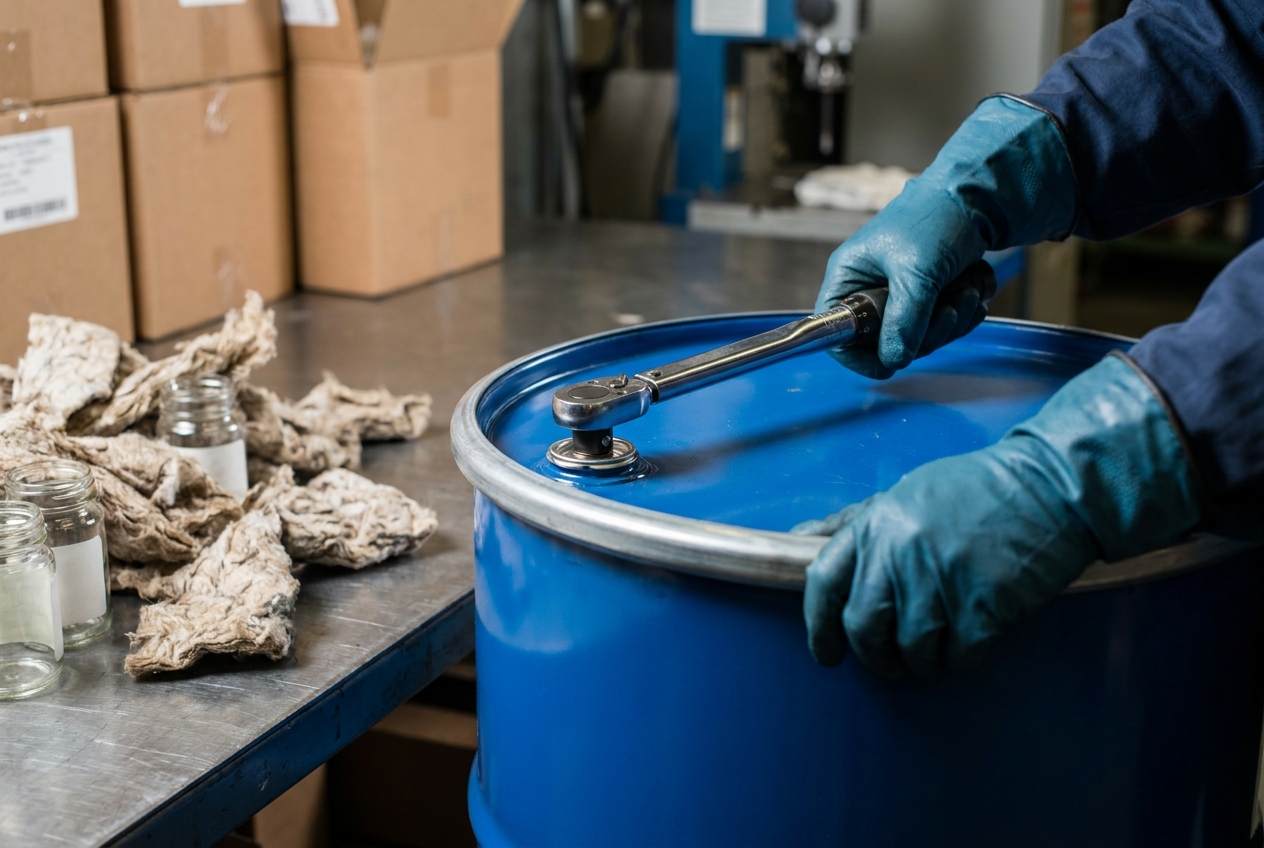
Placards are the large diamond signs on the outside of a trailer or container, and whether you need them depends on the hazard class and the quantity aboard. Certain high-hazard materials, including many explosives and toxic-inhalation-hazard gases, require placards at any amount. For most other classes, placarding kicks in once the total weight of that class on the vehicle crosses the regulatory threshold, commonly around 1,001 pounds aggregate gross weight.
The placard color and symbol match the hazard class, and the four-digit UN number often appears on or beside the placard so responders can identify the load from a distance. Labels, by contrast, are the smaller diamonds on each individual package. Getting placarding wrong is a frequent roadside violation, and it is the carrier and driver who face the inspection, which is one reason experienced hazmat carriers are selective about the freight they accept.
What shipping papers and BOL information are required?
Every regulated shipment must travel with shipping papers, and in trucking these are almost always combined with the bill of lading. The hazmat description on the paper follows a required sequence: identification number, proper shipping name, hazard class, and packing group, followed by the quantity and unit. The document also needs an emergency response telephone number that is monitored at all times during transport and a shipper's certification signed by the offeror stating the shipment is properly prepared.
The driver must be able to reach the shipping papers from the cab, and hazmat entries must be clearly distinguished from any non-hazardous freight on the same bill, typically by listing them first or highlighting them. Because these documents also anchor a roadside inspection, accuracy matters as much as completeness. If you are still standardizing your paperwork across modes and lanes, our guide to accessorial charges is a useful companion, since hazmat handling and placarding often appear as accessorial line items on a freight invoice.
Who needs hazmat employee training?
Anyone who directly affects hazmat transportation safety must be trained and certified by their employer before performing the job unsupervised. That includes people who classify materials, select packaging, mark and label packages, load or unload, prepare shipping papers, or drive. Training covers general awareness, function-specific duties, safety, and security awareness, and it generally must be repeated on a recurring cycle.
The certification lives with the employer, who keeps records showing who was trained, on what, and when. There is no single portable government hazmat card for shippers. On the carrier side, drivers hauling placarded loads also need a hazardous materials endorsement on their commercial license, which involves a separate background check. The authority that governs carriers and drivers on the road is the FMCSA.
How is hazmat shipping by air and ocean different?
Ground, air, and ocean each follow a different rulebook, so a package that is legal on a truck may be illegal or need repackaging on a plane. Domestic ground moves follow the DOT Hazardous Materials Regulations. Air shipments follow the IATA Dangerous Goods Regulations, which are built on the ICAO technical instructions and tend to impose the tightest quantity limits and packaging rules. Ocean shipments follow the International Maritime Dangerous Goods (IMDG) Code.
The classification, UN number, and proper shipping name stay consistent across modes, but per-package quantity caps, allowed packagings, marks, and documentation change. Lithium batteries are the classic trap, since air rules for them are notably stricter than ground. If your freight crosses a border by sea or air, confirm the mode-specific requirements and the destination country's rules before you pack, not after the container is booked. Imported dangerous goods also clear customs, and CBP may involve other agencies depending on the commodity.
What does a real hazmat shipment look like end to end?
Consider a brand shipping four pallets of aerosol cleaning spray by highway. The product is classified as a Class 2 gas (aerosols), assigned its UN number and proper shipping name from the Hazardous Materials Table, and packed in UN-specification cartons closed per the instructions. Because the aggregate weight of the Class 2 freight on the trailer exceeds the placarding threshold, the trailer is placarded for the class, and the four-digit number is displayed as required.
The bill of lading lists the hazmat entry in the required sequence with quantity, a 24-hour emergency response number, and the signed shipper's certification. The staff who classified and packed the freight are trained and certified, and the carrier assigns a driver with a hazmat endorsement. Nothing here is exotic, but every step is a checkpoint where an error stops the load. That is why many brands route dangerous goods through carriers that specialize in it rather than a general LTL provider.
How do you find carriers and 3PLs that handle hazmat?
Not every carrier or warehouse will touch dangerous goods, so filter for hazmat capability early. Ask a prospective partner which hazard classes they accept, whether their drivers hold hazmat endorsements, how they store regulated materials, and how they handle rejected or damaged hazmat. A provider that cannot answer those crisply is telling you something. You can compare providers that specifically handle regulated freight through the hazmat freight directory, and browse the full national network on the logistics company directory.
Capability requirements also depend on the equipment. Open-deck hazmat, such as drummed chemicals on a flatbed, adds securement rules on top of the hazmat rules, which our flatbed load securement guide covers. Reactive or oxidizing materials may need segregation from incompatible freight in the warehouse and on the truck. Match the provider to the specific class and equipment your product needs rather than assuming any hazmat-capable carrier fits every load.
What are the most common hazmat shipping mistakes?
The failures that stop shipments are usually basic and avoidable. The most frequent are using a marketing name instead of the proper shipping name, choosing packaging that is not UN-specification or not closed to the closure instructions, missing or incorrect placards for the quantity aboard, incomplete shipping papers with no emergency response number, and staff who were never formally trained and certified. Under-declaring quantity to dodge placarding, or shipping lithium batteries under ground rules when the freight is actually flying, are two more that draw penalties.
Build a repeatable process instead of treating each shipment as a one-off. Confirm the classification against the Hazardous Materials Table, keep certified packaging and current training records on file, and verify the mode before packing. When in doubt on a specific material or a border-crossing move, check the current PHMSA guidance rather than relying on how a shipment was handled last year.
Frequently asked questions
What is considered a hazardous material for shipping?
A hazardous material is any substance or article that PHMSA has determined can pose an unreasonable risk to health, safety, or property when transported. If a material appears on the Hazardous Materials Table with an assigned proper shipping name, hazard class, and identification number, it must ship under the hazmat rules, even in small quantities.
Do I need a hazmat certification to ship dangerous goods?
You do not need a personal license, but every employee who prepares, offers, or transports a hazardous material must receive hazmat training and be certified by their employer before doing the work unsupervised. Training generally must be repeated on a recurring cycle. The carrier, not the shipper, holds the DOT operating authority to move the freight.
What is a UN number in hazmat shipping?
A UN number is a four-digit code, such as UN1203 for gasoline, that identifies a specific hazardous material or group of materials worldwide. It pairs with the proper shipping name and hazard class to tell everyone in the chain exactly what is in the package. Domestic-only materials may instead carry an NA number.
When does a truck carrying hazmat need placards?
Placarding depends on the hazard class and the amount. Some materials require placards at any quantity, while most bulk and larger non-bulk loads require them once the aggregate weight crosses the regulatory threshold, commonly 1,001 pounds. The four-digit UN number often appears on or near the placard so responders can identify the load.
Do hazmat air and ocean shipments follow the same rules as trucking?
No. Ground moves follow the DOT hazardous materials regulations, air shipments follow the IATA Dangerous Goods Regulations built on ICAO rules, and ocean shipments follow the IMDG Code. The classification stays the same, but packaging limits, quantity caps, and documentation differ, so confirm the mode before you pack.
What documents must travel with a hazmat shipment?
The shipment needs shipping papers, usually combined with the bill of lading, listing the UN or NA number, proper shipping name, hazard class, packing group, and quantity, plus an emergency response phone number and a shipper's certification. The driver must be able to reach these papers within the cab.
Ready to compare providers?
Search the directory by service and location, save options to your shortlist, and send a clear RFQ.
Related guides
Carrier Vetting: How to Avoid Fraud and Bad Carriers
A step-by-step guide to carrier vetting: verify FMCSA authority and safety, confirm insurance with the insurer, spot red flags, and stop double-brokering.
Dedicated vs Common Carrier: Which Fits
How dedicated contract carriage, common carriers, and private fleets compare on cost, capacity, and commitment, and when your volume justifies dedicated.
Shipping Construction Materials to a Jobsite
How construction freight works: matching flatbed and specialized trailers to steel, lumber, pipe, and precast, plus jobsite access, oversize permits, and delivery timing.