
Sea Waybill vs Bill of Lading
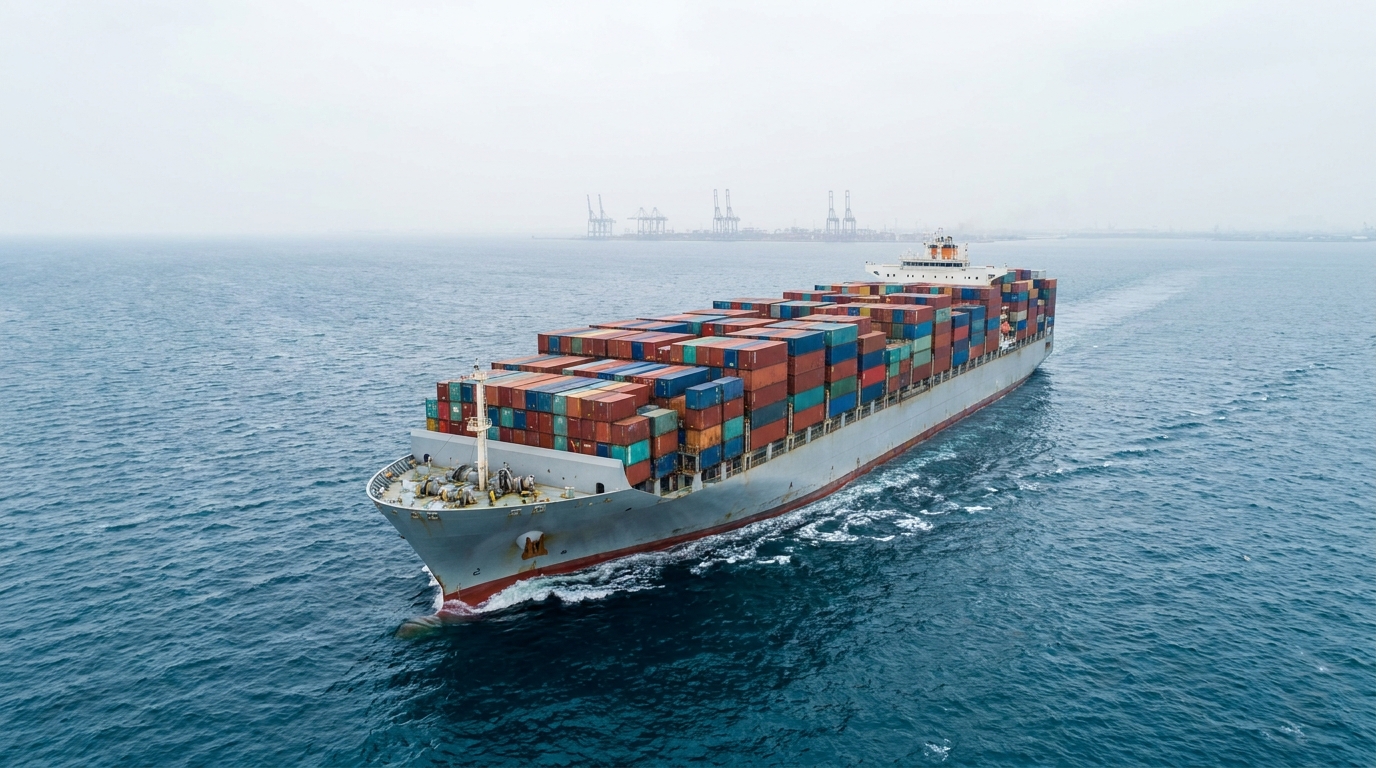
A sea waybill is a non-negotiable ocean transport document that acts as a receipt for the goods and evidence of the contract of carriage, but it is not a document of title. In plain terms, it proves the carrier took your cargo and agreed to move it, yet ownership does not pass by handing the waybill to someone else. Because of that, the named consignee can collect the cargo at destination without surrendering an original paper document, which is the main practical reason shippers choose a sea waybill over a traditional ocean bill of lading.
Key takeaways
- A sea waybill is a non-negotiable ocean document: a receipt and contract of carriage, not a document of title.
- A negotiable bill of lading is a document of title and can be endorsed to transfer control of the goods in transit; a sea waybill cannot.
- Cargo under a sea waybill is released to the named consignee without surrendering an original, so release is usually faster.
- Use a sea waybill for open-account and related-party shipments; use a negotiable bill of lading when payment security or a letter of credit is involved.
- Decide which document you need before the vessel sails, because switching afterward is not always possible.
What is a sea waybill?
A sea waybill is a shipping document a carrier issues for ocean cargo that names a specific consignee and confirms the carrier received the goods for transport. It does two jobs: it is a receipt showing the goods were loaded, and it records the terms of the contract of carriage. What it does not do is control ownership. Nobody has to present or endorse the sea waybill to take delivery, so it cannot be bought, sold, or pledged to a bank the way a negotiable document can.
That single trait, being non-negotiable, drives almost every practical difference below. The consignee named on the waybill is fixed and simply has to identify itself at destination to receive the cargo, much like a named recipient on a courier parcel.
How is a sea waybill different from a bill of lading?
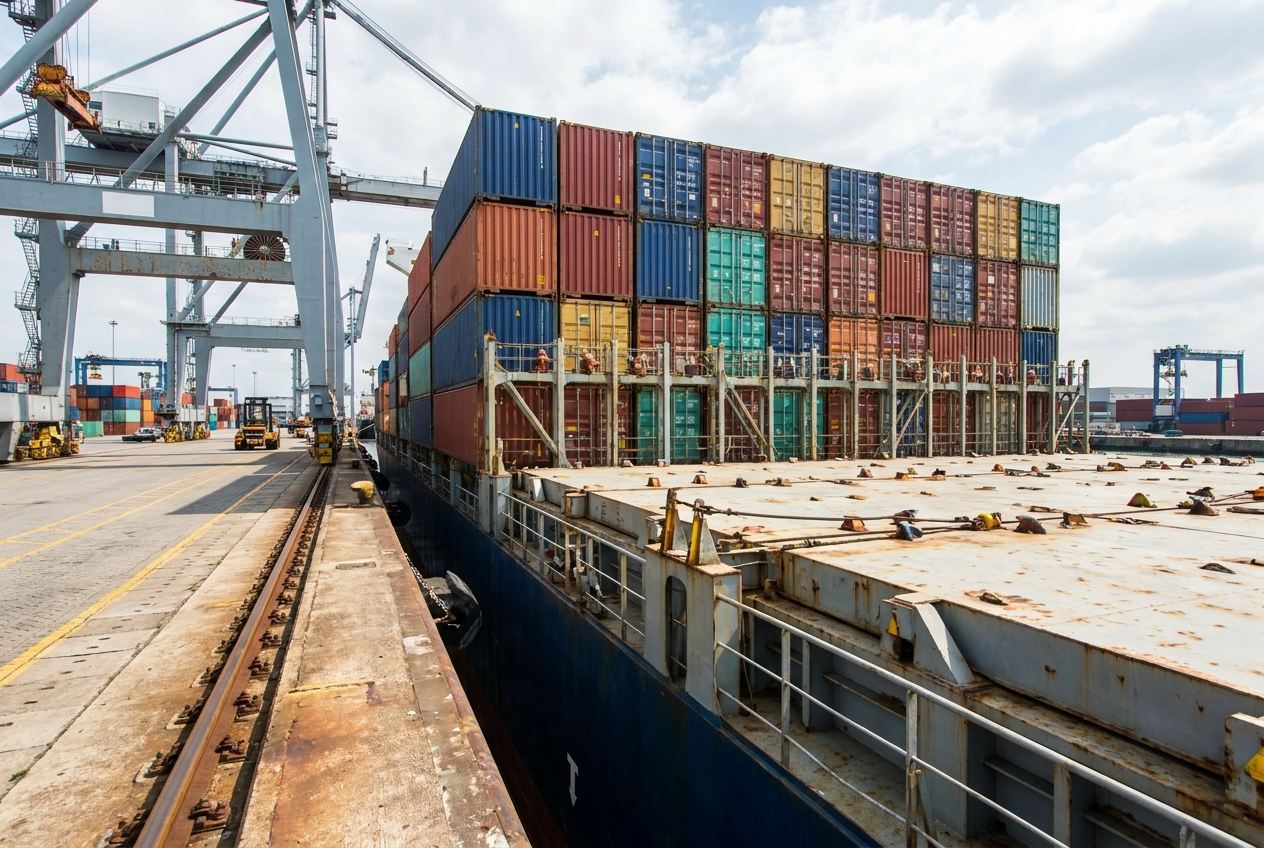
The core difference is title. A negotiable ocean bill of lading is a document of title: whoever legitimately holds the properly endorsed original controls the goods, and the carrier will only release cargo when an original is surrendered. A sea waybill carries no title, cannot be endorsed to a new party, and does not need to be surrendered. Both documents still serve as a receipt and as evidence of the carriage contract.
A bill of lading also comes in more than one form. A straight bill of lading names a fixed consignee and behaves much like a waybill on the delivery side, while an order bill of lading is made out "to order" and is fully negotiable. When people compare a sea waybill against a bill of lading for payment security, they almost always mean the negotiable order version.
| Feature | Sea waybill | Negotiable bill of lading |
|---|---|---|
| Document of title | No | Yes |
| Negotiable / transferable in transit | No | Yes, by endorsement |
| Original must be surrendered for release | No | Yes |
| Consignee | Named and fixed | Can be "to order" |
| Typical release speed | Faster, no original to courier | Slower, originals must arrive |
| Common use | Open account, related parties, trusted trade | Letters of credit, new buyers, payment on control |
When should you use a sea waybill?
Use a sea waybill when you do not need to control the goods as security for payment. The clearest cases are open-account trade with a buyer you already trust and shipments between related parties, such as a company moving inventory between its own subsidiaries or to its own warehouse abroad. There is no third party to protect against, so the extra formality of an original bill of lading adds delay without adding value.
It also suits fast trade lanes where the vessel can arrive before couriered paperwork would. If an original bill of lading is still in transit when the box lands, the cargo sits and accrues storage or demurrage. A sea waybill removes that failure mode because there is nothing to wait for. Many shippers coordinate this choice with their freight forwarder, who prepares the documents and advises which fits the lane and payment terms.
When is a bill of lading the better choice?
Reach for a negotiable bill of lading when payment depends on controlling the goods. If you are selling to a new customer, shipping against a letter of credit, or financing the shipment through a bank, the bank or seller wants a document of title it can hold until conditions are met. The original bill of lading is that lever: no endorsement and surrender, no cargo.
Letters of credit are the common trigger. Most LCs call for a full set of original ocean bills of lading precisely because the bank needs security. A sea waybill generally does not satisfy that requirement unless the LC is specifically amended to allow it. Confirm the exact document the bank expects before you book, because fixing it after the fact is slow and expensive. For the broader picture of how ocean shipments are documented and routed, see our ocean freight shipping guide.
How is cargo released under each document?
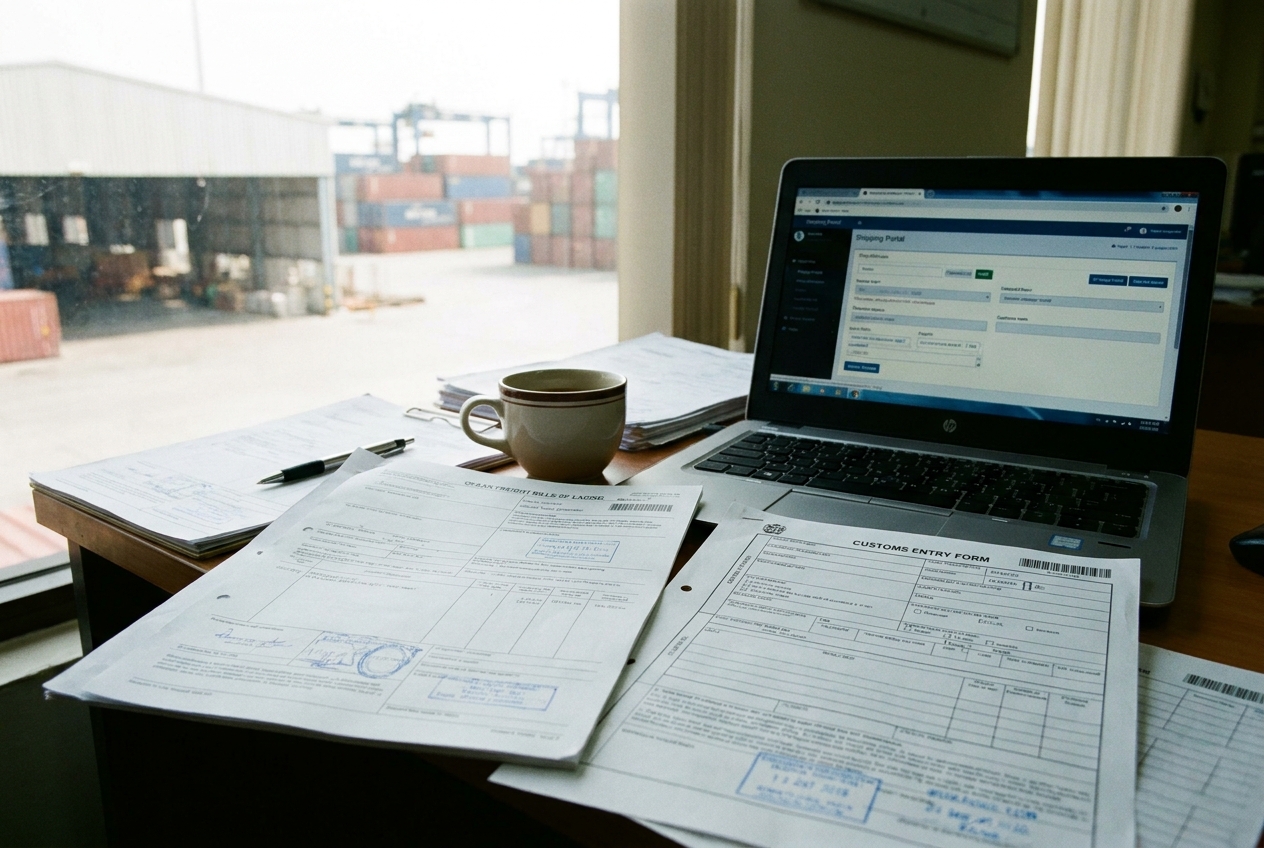
Under a sea waybill, the carrier releases cargo to the named consignee once that party is identified and outstanding charges are paid. No original document changes hands, so release hinges on identity and settlement rather than paperwork logistics. Under a negotiable bill of lading, the carrier will not release cargo until a properly endorsed original is surrendered at the destination office, which means the physical documents must reach the right party first.
That difference explains why sea waybills usually clear faster. It also explains the classic bill-of-lading headache: telex release and express release exist mainly to work around the delay of couriering originals across an ocean. In all cases the goods still have to clear customs before final delivery, and U.S. import release rules are administered by U.S. Customs and Border Protection independent of which carriage document you used.
What are the risks of using a sea waybill?
The main risk is loss of leverage. Because a sea waybill is not a document of title, you cannot hold back the goods if the buyer fails to pay, and you cannot redirect the shipment to a new buyer in transit. Once the named consignee is set, the cargo is effectively promised to that party. For unsecured trade with a stranger, that is a real exposure.
Consider a worked example. A U.S. brand ships a full container of housewares to its own fulfillment center in Rotterdam on open-account terms. There is no outside buyer and no financing, so a sea waybill names the European subsidiary as consignee, the box is released on arrival without waiting for couriered originals, and the goods reach the shelf days sooner. Now change one fact: the same container goes to a brand-new wholesale customer who has not paid. Here a negotiable bill of lading is safer, because the seller keeps control of the originals until payment clears. Same cargo, opposite document, driven entirely by whether payment is secured.
Can you switch between a sea waybill and a bill of lading?
Sometimes, but do not count on it. Some carriers will convert a sea waybill to a bill of lading, or the reverse, before the cargo is released, while others treat the document choice as final once it is issued. The safe practice is to decide before the vessel sails, based on your payment terms and your relationship with the buyer, rather than trying to unwind the choice at destination.
When you are comparing ocean carriers and forwarders that handle these documents, you can browse neutral options in the international freight category, and use the landed cost calculator to model the duties, freight, and fees that ride alongside whichever document you choose.
Frequently asked questions
Is a sea waybill a document of title?
No. A sea waybill is a non-negotiable receipt and contract of carriage, but it is not a document of title. Ownership of the goods does not pass by transferring or endorsing the waybill, which is why the carrier does not require the paper document to be surrendered at destination.
Can you use a sea waybill under a letter of credit?
Usually not without changes. Most letters of credit call for a full set of negotiable ocean bills of lading because the bank wants a document of title as security. A sea waybill can sometimes be accepted if the LC is amended to allow it, but you should confirm the exact document requirement with the bank before shipping.
How is cargo released under a sea waybill?
The carrier releases the cargo to the named consignee once that party is identified and any charges are settled. Because nothing has to be surrendered, there is no original document to courier, which usually speeds up release compared with an original bill of lading.
Can a sea waybill be converted to a bill of lading?
It depends on timing and the carrier. Some carriers will switch a sea waybill to a bill of lading (or the reverse) before the cargo is released, but many treat the choice as final once documents are issued. Decide which document you need before the vessel sails rather than after.
Who is named on a sea waybill?
A sea waybill names a specific consignee, the party entitled to receive the goods. Unlike a negotiable bill of lading made out 'to order,' it cannot be endorsed over to a different buyer in transit, so the named consignee is fixed.
Is a sea waybill safe for open-account trade?
For established or related-party trade on open-account terms, a sea waybill is common and lower-risk because the shipper already trusts the buyer to pay. It is riskier when you have not been paid and are relying on control of the goods as leverage, which is where a negotiable bill of lading fits better.
Ready to compare providers?
Search the directory by service and location, save options to your shortlist, and send a clear RFQ.
Related guides
What Is Freight Audit and Payment?
Freight audit and payment checks every carrier invoice against your contracted rate and the bill of lading, corrects overcharges, pays the carrier, and captures the cost data.
How to Write a Logistics RFP
A section-by-section guide to writing a logistics RFP that gets accurate, comparable quotes from 3PLs, freight brokers, and carriers.
Reverse Logistics: Returns, Recalls, and Recycling
A complete guide to reverse logistics: the backward flow of returns, recalls, repairs, redistribution, recycling, and disposal, plus how to recover value and choose a provider.