
What Is a Customs Broker and Do You Need One?
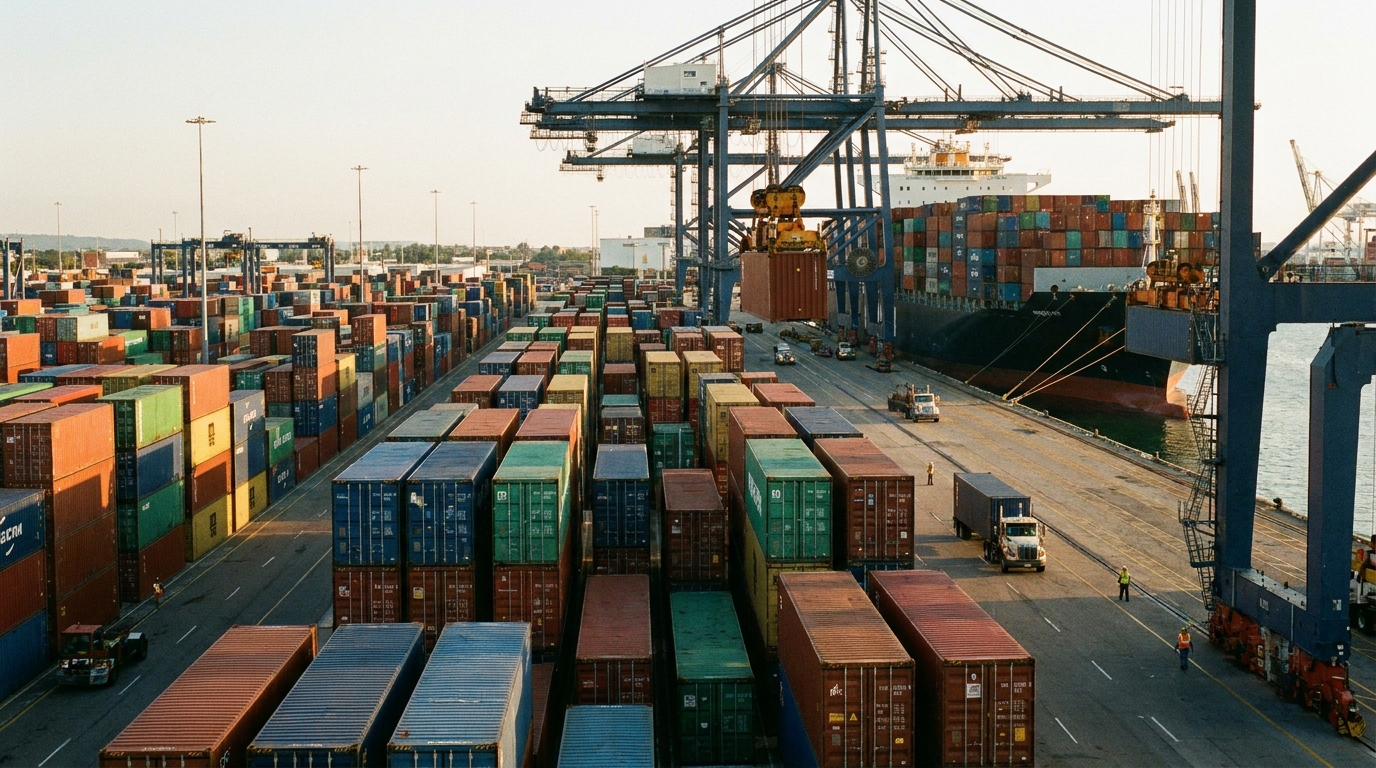
A customs broker is an individual or firm licensed by U.S. Customs and Border Protection (CBP) to file entries and clear imported goods through customs on an importer's behalf. When your shipment reaches a U.S. port, someone has to declare it, classify it under the correct tariff code, calculate the duties and fees, and submit the entry to CBP. A customs broker does that work as your authorized agent so your cargo is released legally and on time. You are not required by law to use one, but most importers do because the rules are technical and the importer of record carries the liability for errors.
Key takeaways
- A customs broker is licensed by CBP specifically to conduct customs business, such as filing entries and paying duties, for other parties.
- Using a broker is optional, but the importer of record is legally responsible for the accuracy of every entry, which is why most companies hire one.
- A broker cannot act for you until you sign a customs power of attorney authorizing them as your agent.
- A customs broker clears cargo through customs; a freight forwarder moves the cargo. They are separate roles, sometimes offered by the same company.
- A national permit lets a broker transact customs business across all U.S. ports, not just one district.
What does a customs broker do?
A customs broker prepares and submits the customs entry that releases your goods, then handles the duty, tax, and fee payment tied to it. The classification and valuation work is the core of the job, because a wrong tariff code or declared value changes what you owe and can trigger a hold.
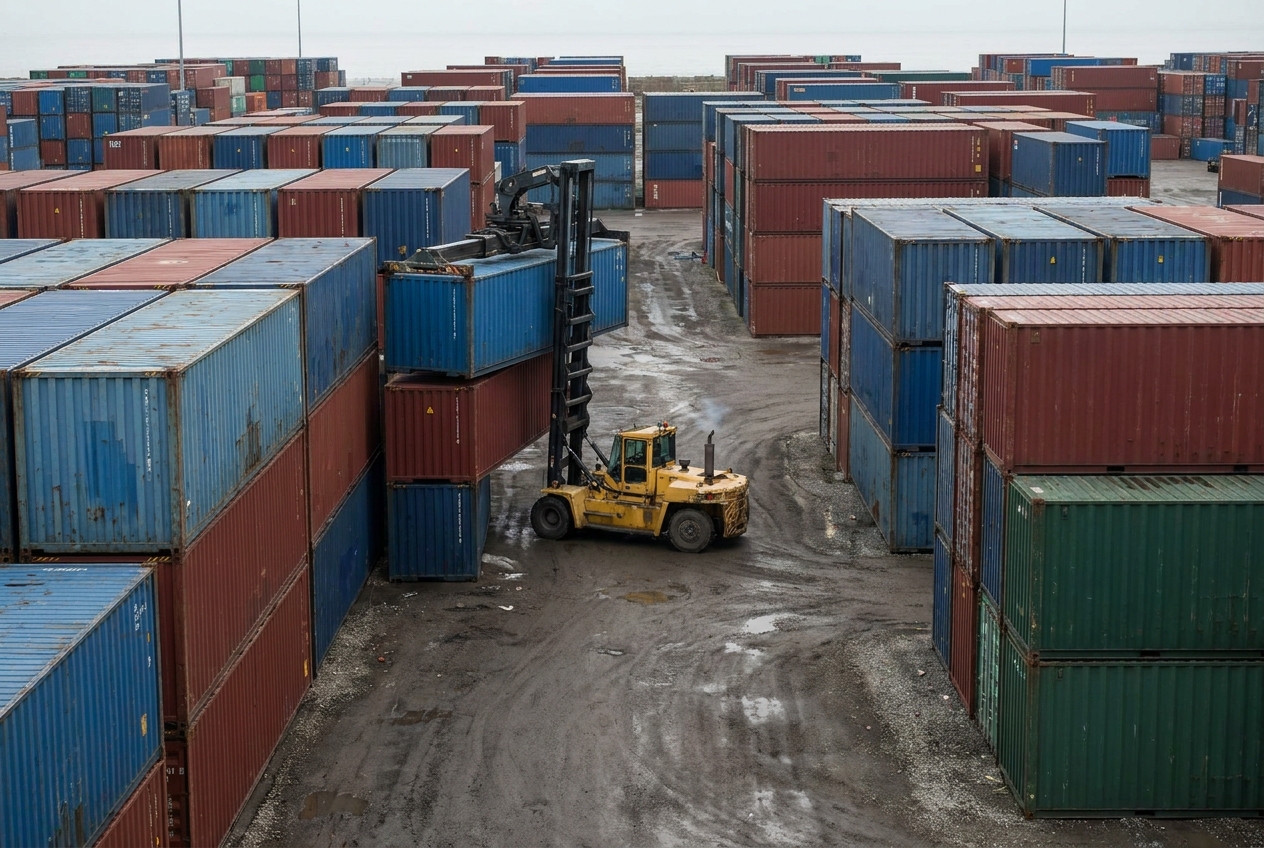
Day to day, a broker typically handles:
- Classifying goods under the Harmonized Tariff Schedule and determining the correct duty rate.
- Preparing and filing the entry electronically through CBP's Automated Commercial Environment (ACE).
- Calculating duties, taxes, and fees, and arranging payment to CBP.
- Coordinating the entry bond and confirming any partner-government agency requirements (for example FDA, USDA, or EPA) are met.
- Advising on trade programs, free trade agreements, and admissibility so a shipment is not seized or refused.
Brokers do not move the freight themselves, and they do not decide your commercial terms. Their job is to get the entry right and get your goods released. For a step-by-step view of that release process, see our guide on what customs clearance actually involves.
Do you need a customs broker?
You are not legally required to hire a customs broker to import into the United States. The importer of record can file its own entries. In practice, most importers use a broker because CBP holds the importer, not the broker, responsible for the accuracy of the declaration, and a misclassification or undervaluation can mean penalties, liquidated damages, or a shipment stuck at the port.
Hiring a broker usually makes sense when you import commercial goods regularly, when your products fall under another agency's rules (food, cosmetics, electronics, chemicals), when you use trade programs that need documentation, or simply when you do not have in-house customs expertise. A single personal shipment or an occasional low-value parcel may clear informally without a broker. A container of retail inventory almost always warrants one. If you sell across borders, our overview of cross-border shipping between the U.S. and Mexico shows where broker involvement fits into the wider move.
What is a customs power of attorney?
A customs power of attorney is the document you sign to authorize a specific broker to act as your agent before CBP. Without it, a broker cannot file entries, pay duties, or speak to customs in your name. It is the legal handshake that makes the relationship official.
The power of attorney names your business as the principal and the broker as the agent, and it stays on file for as long as the relationship lasts. Because the broker is acting for you, the document is also why choosing a reputable, CBP-licensed broker matters: you are extending your legal authority to them. Alongside the power of attorney you will provide commercial invoices, packing lists, and other paperwork the broker needs, covered in our guide to documents a customs broker needs from you.
Single vs national permit: what is the difference?
A permit is CBP's authorization for a licensed broker to actually conduct customs business, and historically it was tied to geography. Brokers held district permits for specific ports and could add a national permit to file entries nationwide.
CBP has modernized this framework so that a national permit lets a broker transact customs business across all U.S. ports rather than obtaining a separate permit at each district. For you as an importer, the practical takeaway is simple: confirm your broker holds a valid national permit so they can clear your goods wherever they land, not only at one port of entry. You can verify a broker's licensing status through U.S. Customs and Border Protection.
How is a customs broker different from a freight forwarder?
A customs broker clears your cargo through customs; a freight forwarder arranges the physical transportation of that cargo. They solve different problems, and confusing them is the most common mistake first-time importers make. A forwarder books the ocean or air carrier and manages the shipment door to door; a broker handles the CBP entry once it arrives.

| Role | Customs broker | Freight forwarder |
|---|---|---|
| Core job | Clear goods through CBP | Arrange movement of the goods |
| Licensed by | CBP (customs broker license) | FMC (ocean) / IATA and others, not CBP |
| Handles the customs entry | Yes | No, unless also broker-licensed |
| Books the carrier | No | Yes |
| Calculates duties and fees | Yes | No |
| Needs a power of attorney | Yes, to act before CBP | Yes, to act as your shipping agent |
Many companies offer both services under one roof, which is convenient but does not merge the roles: the customs work still requires a CBP-licensed broker. For a deeper side-by-side, read customs broker vs freight forwarder. When you are ready to shortlist providers, browse the customs brokerage directory to compare firms.
How much does a customs broker cost?
Broker fees vary by the complexity of the entry, not a fixed national rate, so treat any single number with caution. You typically pay an entry fee per shipment plus charges for add-ons such as extra tariff lines, other-agency filings, or a continuous bond.
Those brokerage fees are separate from the duties and taxes themselves, which go to CBP. A realistic budget accounts for the entry fee, the customs bond, the duty and merchandise processing fee, and any storage if a shipment is examined. To model the full delivered cost before you commit, our landed cost calculator lets you combine product cost, freight, duty, and fees into one number. The bond piece is worth understanding on its own, which is why we cover what a customs bond is and why you need one separately.
How do you choose a customs broker?
Start by confirming the broker is CBP-licensed and holds a valid national permit, then judge them on responsiveness, their fit for your commodity, and how clearly they explain classification and compliance. A good broker reduces your risk of holds and penalties; a cheap but careless one increases it.
Ask how they handle other-agency requirements for your products, how they communicate a customs hold, whether they file through ACE, and how their fees are structured. Because the importer of record ultimately answers to CBP, you want a broker who documents their classification decisions and flags anything uncertain rather than guessing. Trade rules also change: staying aware of shifts such as the de minimis and Section 321 changes affecting importers is part of picking a partner who keeps you current. For the official rules and licensing information, CBP's trade resources are the authoritative reference.
Frequently asked questions
Is a customs broker legally required to import into the US?
No. An importer of record can file its own customs entries. But CBP holds the importer responsible for accuracy, and most companies hire a licensed customs broker because the classification, valuation, and entry rules are complex and mistakes carry penalties and shipment delays.
How is a customs broker licensed?
US Customs and Border Protection licenses customs brokers. An individual passes the Customs Broker License Exam and a background check; a firm operates under a permit tied to at least one licensed individual broker. Only CBP-licensed brokers can conduct customs business on your behalf.
What is a customs power of attorney?
It is a signed document authorizing a specific customs broker to act as your agent with CBP, so the broker can file entries, pay duties, and communicate with customs in your name. No legitimate broker will clear your goods without a valid power of attorney on file.
What is the difference between a single and a national permit?
Historically brokers held district permits tied to specific ports plus a national permit for nationwide filing. CBP has consolidated broker permitting so a national permit lets a broker transact customs business across all US ports rather than port by port.
Do I need both a customs broker and a freight forwarder?
Often yes. A freight forwarder arranges the physical movement of your cargo, while a customs broker clears it through CBP. Some companies hold both licenses and offer both services, but the two roles are distinct and are regulated separately.
Does a customs broker pay my duties for me?
A broker calculates the duties, taxes, and fees owed and can advance or remit payment to CBP on your behalf, then bill you. You remain the party ultimately liable for the correct amount, which is one reason accurate classification matters.
Ready to compare providers?
Search the directory by service and location, save options to your shortlist, and send a clear RFQ.
Related guides
What Is Freight Audit and Payment?
Freight audit and payment checks every carrier invoice against your contracted rate and the bill of lading, corrects overcharges, pays the carrier, and captures the cost data.
How to Write a Logistics RFP
A section-by-section guide to writing a logistics RFP that gets accurate, comparable quotes from 3PLs, freight brokers, and carriers.
Reverse Logistics: Returns, Recalls, and Recycling
A complete guide to reverse logistics: the backward flow of returns, recalls, repairs, redistribution, recycling, and disposal, plus how to recover value and choose a provider.