
Peak Season Shipping: How to Prepare for Q4
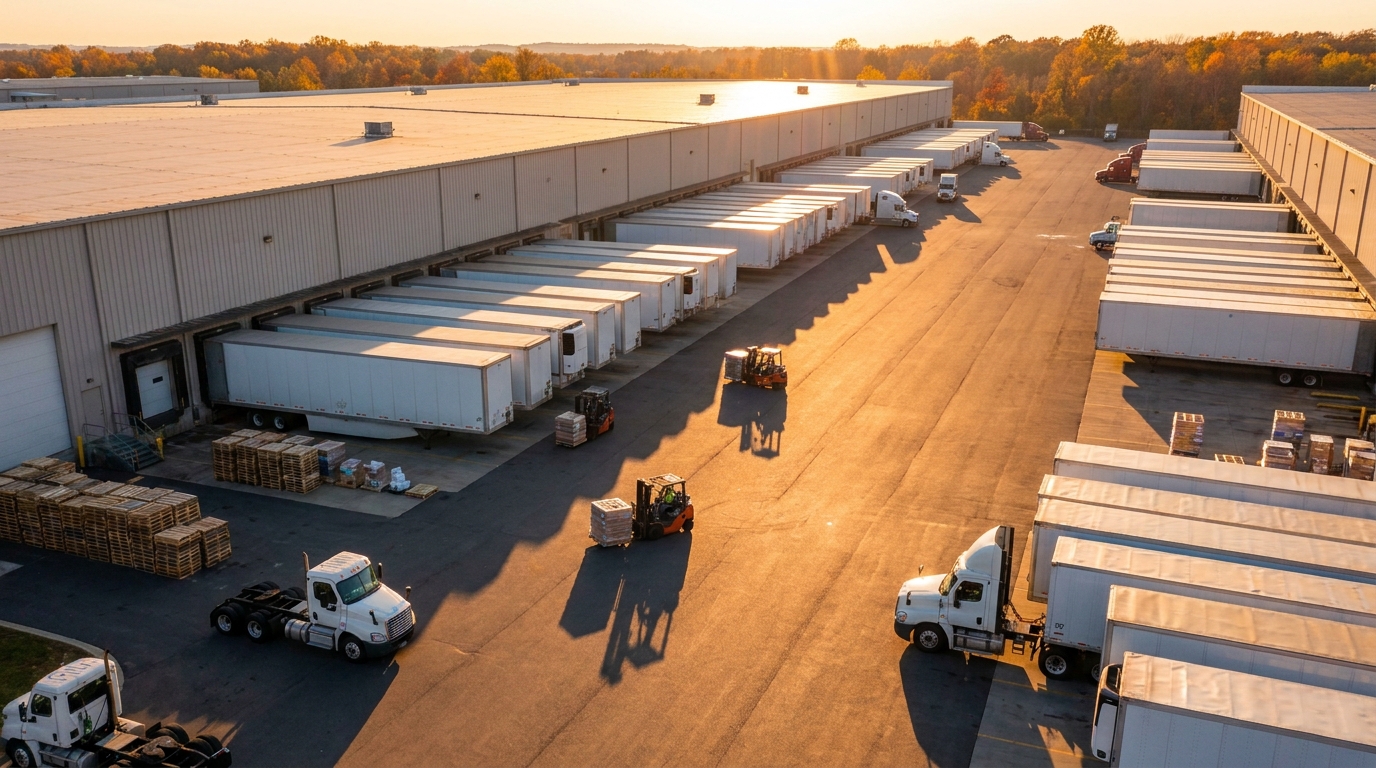
Peak season shipping is the Q4 stretch, roughly October through December, when holiday demand collides with limited trucking, container, and warehouse capacity, driving up transit times and freight rates. The way to prepare is to move earlier than the calendar suggests: forecast demand, position inventory close to customers, book inbound freight before surcharges land, staff up, and diversify carriers so a single bottleneck cannot strand your best-selling products. Late summer, not October, is when the winning plan gets built.
Key takeaways
- Peak season shipping runs roughly October through December, but preparation should begin in July or August.
- Carriers add peak-season and demand surcharges and tighten capacity as Q4 approaches, so the same lane costs more and is harder to book.
- Positioning inventory earlier and closer to demand is the single most effective hedge against peak delays.
- Amazon publishes FBA inbound cutoff dates each year; build buffer time ahead of them because receiving slows as volume rises.
- Carrier and mode diversification, plus a realistic labor plan, keep freight moving when one option runs out of room.
What is peak season shipping and when does it start?
Peak season shipping is the annual surge in freight and parcel volume that builds through the fourth quarter and centers on the holidays. Demand typically ramps from October, spikes around major shopping events in November, and stays elevated into December. For most shippers the real work happens well before that: forecasting, inbound freight booking, and inventory placement need to be locked while capacity is still available and priced normally. Treat late summer as the start of peak season, even though the volume comes later.
Why does capacity get tight and rates rise during peak?
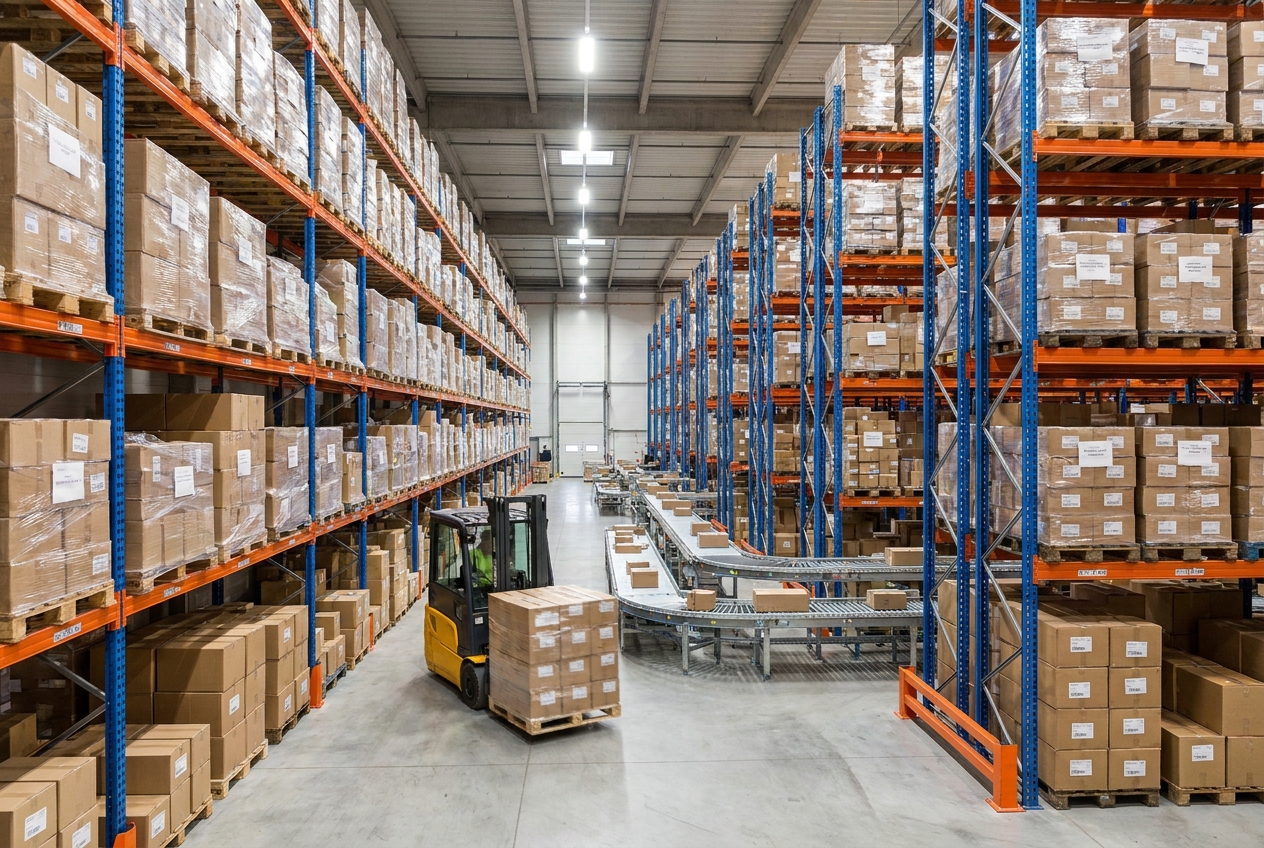
Because demand for trucks, ocean containers, and warehouse space rises faster than the supply of them heading into the holidays. When more shippers chase the same lanes and dock doors, carriers get selective and add peak-season or demand surcharges on top of base rates. The result is predictable: a lane you booked easily in spring can cost more and be harder to secure in November. Exact surcharge amounts vary by carrier and year and are published in each carrier's own schedule, so confirm current figures directly rather than assuming last year's numbers hold. The broader rate environment also matters; the 2026 truckload freight market outlook is a useful gauge of whether capacity is loose or tight going into Q4. For a sense of national freight volume trends over time, the Bureau of Transportation Statistics tracks freight activity across modes.
How should you position inventory before Q4?
Position inventory earlier and closer to where your customers are, so the longest, least reliable legs of the journey happen before peak, not during it. That means sending inbound shipments to fulfillment centers and forward warehouses on an accelerated timeline, and spreading stock across regions rather than concentrating it in one node. A distributed footprint shortens final-mile distances, reduces zone-based parcel costs, and gives you a fallback if one facility backs up. If you are weighing whether a single location is still enough, a two-warehouse setup is often the tipping point; see the two-warehouse fulfillment strategy for how brands decide, and warehouse network design for the bigger placement picture.
A worked example: a brand that sells a 2-pound product nationwide from one East Coast warehouse pays higher parcel zones and longer transit to West Coast buyers all through December. Splitting that inventory so the West Coast is served from a second node ahead of peak can cut a day or two off delivery and lower per-order shipping, precisely when speed and cost pressure are highest.
How do you forecast demand for peak season?
Start from last year's actual sales for the same weeks, broken down by SKU, then adjust for growth, new products, planned promotions, and any channel or pricing changes. Plan inventory to the high end of a realistic range rather than the midpoint, because during peak the cost of stocking out of a bestseller usually outweighs the cost of a modest overstock you can sell down in January. Flag your top few revenue drivers and give them the most buffer. If your catalog changed meaningfully this year, weight recent months more heavily than a full trailing year that no longer reflects your mix.
What Amazon FBA cutoffs do you need to plan around?
If you sell through Fulfillment by Amazon, inbound cutoff dates are the hard deadlines around which everything else bends. These are the dates by which inventory must arrive at Amazon fulfillment centers to be received and made available in time for major shopping events. Amazon publishes them each year and they can shift, so confirm the current dates in Seller Central rather than relying on last season's calendar. The practical rule is to work backward from the cutoff and add buffer: receiving and check-in slow down as volume climbs, so inventory that technically arrives before the deadline can still sit in a queue. Getting FBA prep and labeling right the first time avoids the reroutes and holds that eat that buffer; if you use a prep partner, the FBA prep cost estimator helps you scope the work before you commit.
How do you plan labor and warehouse staffing for peak?
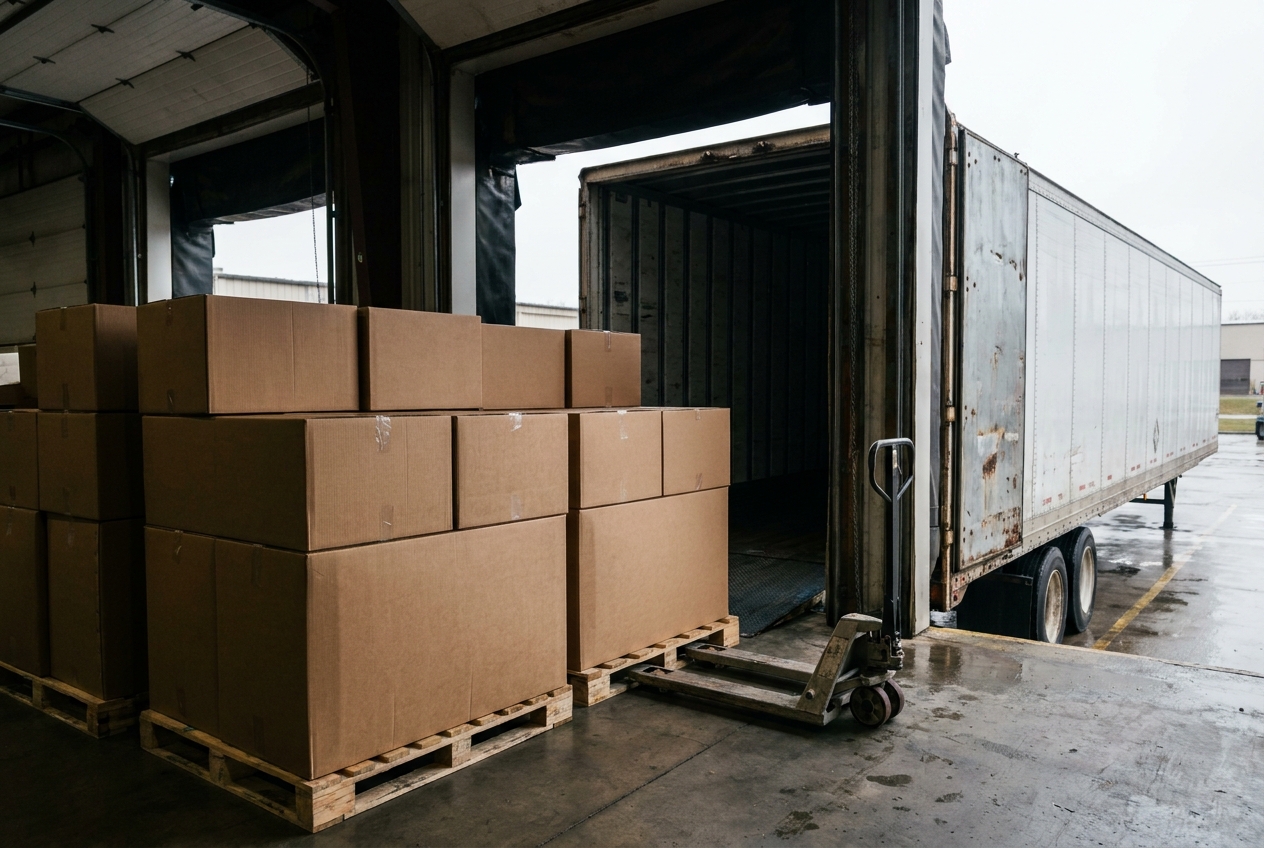
Peak volume needs more hands, and the workers to fill those shifts are scarcest exactly when you need them. Decide early whether you are hiring seasonal staff, leaning on a third-party logistics provider that already carries peak labor, or both, and lock the plan before competitors book the same temp pool. If you run your own space, cross-train existing staff, schedule realistic overtime, and pressure-test your pick-pack throughput against your forecast so you find the bottleneck in a drill, not on the busiest day. Brands funding a seasonal ramp can review working-capital options through the Small Business Administration. Outsourcing the whole operation is also on the table; the guide to choosing an e-commerce fulfillment provider walks through what to vet, and you can compare vetted partners in the e-commerce fulfillment directory.
Should you diversify carriers before peak?
Yes. Relying on a single carrier is the most common way peak plans fall apart, because when that carrier hits its capacity ceiling or raises surcharges sharply, you have no alternative and no leverage. Line up more than one contracted carrier, keep a freight broker relationship active for overflow, and consider more than one mode so you are not exposed to a squeeze in any single one. Confirm that any new carrier holds active operating authority and a clean safety profile before you route freight to it; the Federal Motor Carrier Safety Administration lets you verify authority and safety records. Diversification costs a little setup effort now and buys you options when capacity disappears in November.
What is a peak-prep checklist by timeline?
Most peak failures trace back to actions done too late. The table below maps the core moves to when they should happen, so nothing critical slips into the crunch.
| Timeline | Action | Why it matters |
|---|---|---|
| Jul to Aug (early) | Build the demand forecast by SKU; set inventory targets | Everything downstream depends on the number; late forecasts force rushed, expensive freight |
| Aug to Sep (build) | Book inbound freight and warehouse space; confirm carrier contracts and add a backup | Locks capacity and rates before peak surcharges and shortages hit |
| Sep (position) | Send inventory inbound early; distribute stock across nodes | Moves the slow, unreliable legs before volume spikes and receiving slows |
| Sep to Oct (staff) | Finalize seasonal labor or 3PL peak coverage; cross-train and drill throughput | Seasonal workers are scarcest at peak; find bottlenecks before the busiest day |
| Oct (cutoffs) | Confirm and beat Amazon FBA inbound cutoffs with buffer | Receiving queues stretch out; early arrival protects your highest-demand window |
| Nov to Dec (execute) | Monitor capacity and surcharges daily; shift volume to backup carriers as needed | Keeps freight moving when a primary carrier or lane runs out of room |
Run this from the top and the crunch becomes a series of confirmations rather than emergencies. The brands that sail through Q4 are almost always the ones that did the boring work in August.
Frequently asked questions
When should I start preparing for Q4 peak season shipping?
Serious planning starts in late summer, roughly July through August. That gives you time to forecast demand, book inbound freight before rates climb, position inventory across warehouses, and confirm Amazon FBA cutoff dates before capacity tightens in the fall.
Why do freight rates go up during peak season?
Demand for trucks, containers, and warehouse space rises faster than available capacity heading into the holidays. Carriers respond with peak-season or demand surcharges and tighter availability, so the same lane can cost more and be harder to book than it was in the spring.
What are Amazon FBA cutoffs and why do they matter?
FBA cutoffs are the dates by which inventory must arrive at Amazon fulfillment centers to be received, checked in, and available for key shopping events. Amazon publishes these dates each year. Missing them can leave sellable inventory stuck in receiving during your highest-demand window.
How early should I send inventory inbound for peak?
Earlier than feels comfortable. Receiving and check-in times at fulfillment centers stretch out as volume rises, so building in extra buffer weeks ahead of your cutoffs protects you from delays you cannot control.
Should I use more than one carrier during peak season?
Diversifying carriers and modes is one of the most reliable ways to protect service during peak. If one carrier hits capacity limits or raises surcharges sharply, a second contracted option or a broker relationship keeps freight moving without last-minute scrambling.
How do I forecast demand for peak season?
Start with last year's sales by SKU for the same weeks, adjust for growth, new products, promotions, and any known channel changes, then plan inventory to the high end of a realistic range. Under-forecasting a bestseller during peak is usually more costly than a modest overstock.
Ready to compare providers?
Search the directory by service and location, save options to your shortlist, and send a clear RFQ.
Related guides
Subscription Box Fulfillment: What to Ask a 3PL
How subscription box fulfillment differs from standard ecommerce, the batch and kitting challenges that trip brands up, and the exact questions to ask a 3PL before you move.
Dropshipping vs Holding Inventory in a 3PL
Dropshipping vs 3PL fulfillment compared on margin, speed, control, branding, and risk, with a decision table and a hybrid model that uses both.
What Is a SKU? SKU vs UPC, ASIN, and FNSKU
A SKU is your own internal code for a product. Here is how it differs from a UPC, ASIN, and FNSKU, and how to structure SKUs that keep inventory accurate.