
Warehouse Network Design: One Node or Many?
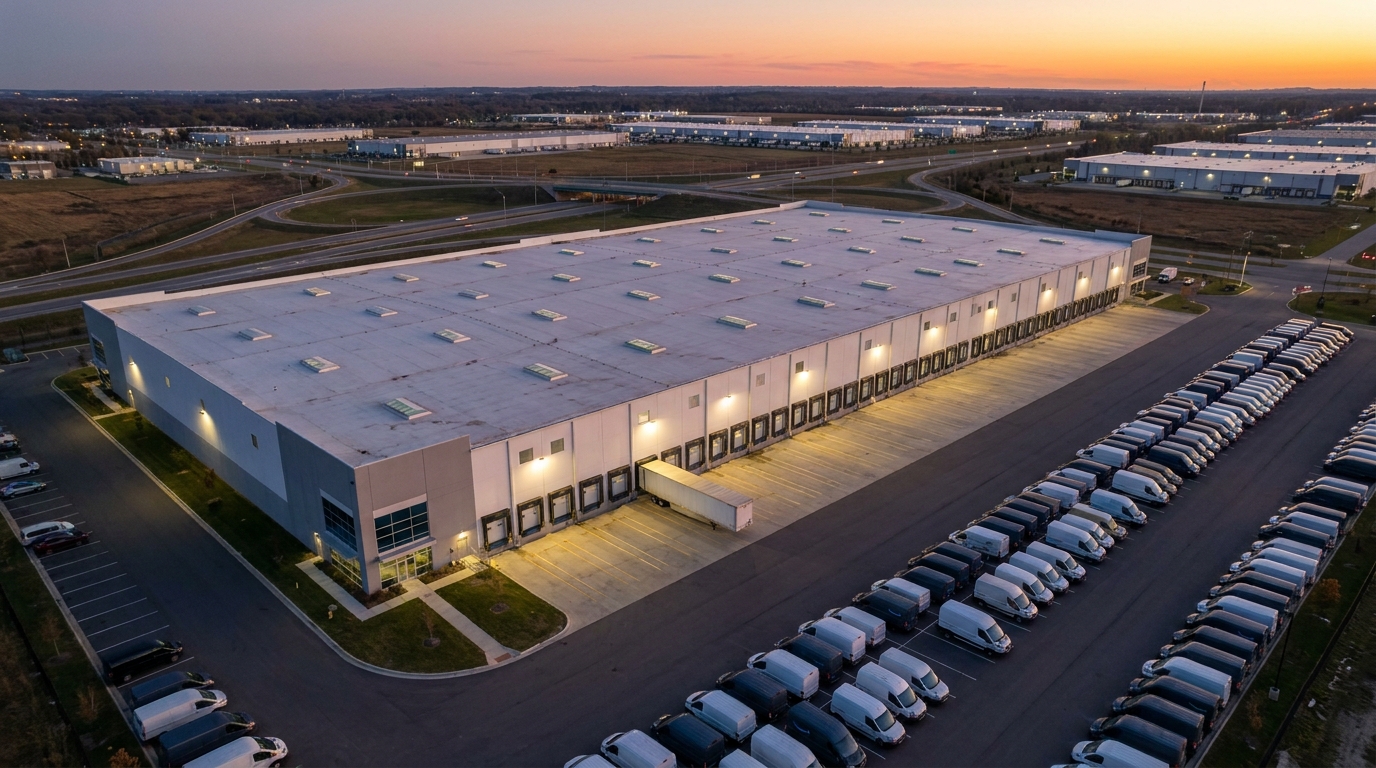
Warehouse network design is the decision of how many fulfillment nodes to run and where to put them, and for most brands the honest answer is fewer than you think. A sound warehouse location strategy starts with one well-placed node and adds a second or third only when parcel spend and delivery promises justify the fixed cost. One central warehouse can already reach the continental US in two to five ground days. The question is never how many warehouses look impressive on a map, but where the next node actually lowers your landed cost or wins you a delivery window you cannot hit today.
Key takeaways
- One central node reaches most of the continental US in two to five ground days and is the right starting point for the majority of brands.
- A second node pays off when per-package savings from lower average parcel zones exceed the fixed cost of running the extra location.
- Splitting inventory cuts transit time and zone-based parcel cost, but raises the safety stock you carry across nodes.
- Zone skipping moves freight in bulk close to customers so the final parcel leg crosses fewer carrier zones.
- A third node mostly buys speed to the last slow corners rather than large cost savings.
How many warehouse nodes does a brand actually need?
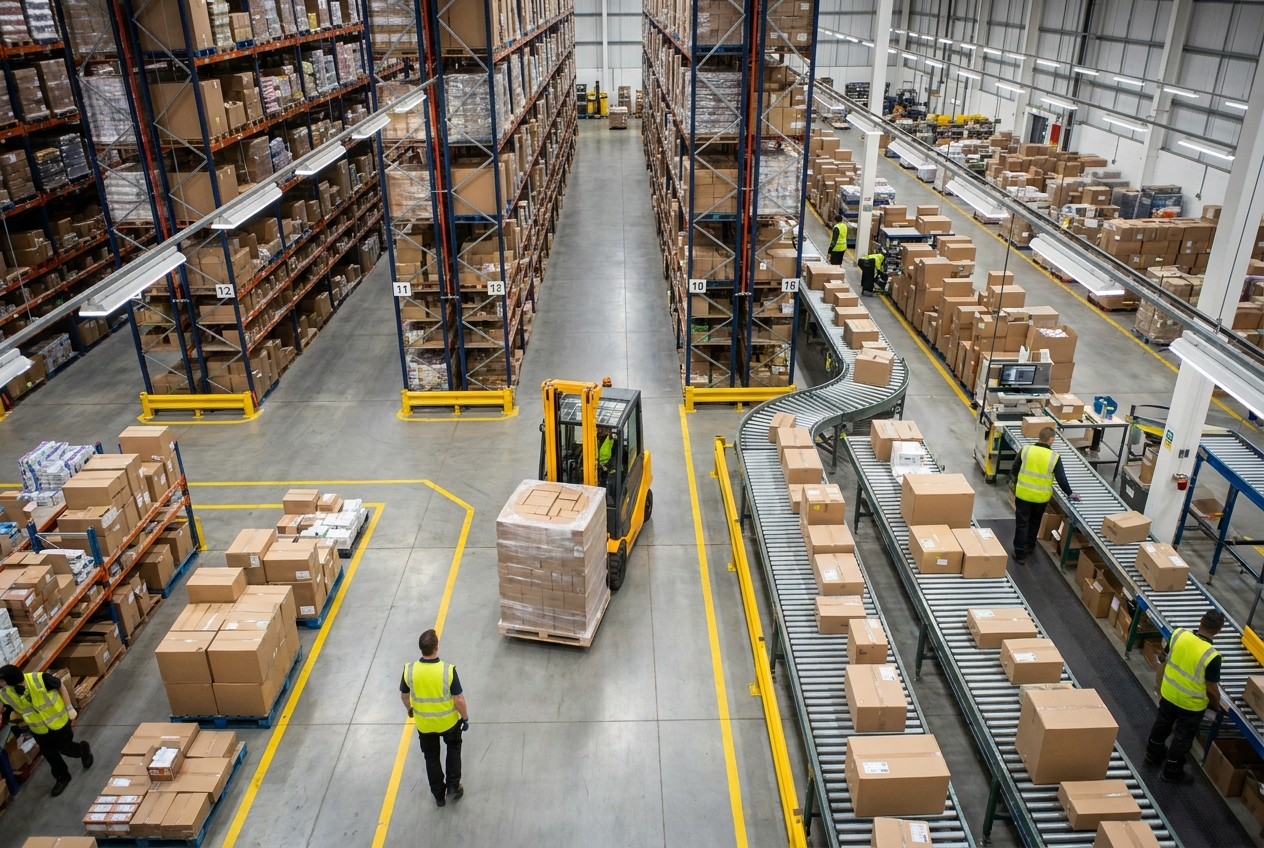
Most brands need exactly one node until the math says otherwise. A single distribution center, placed centrally, keeps operations simple: one inventory pool, one receiving team, one system to reconcile. Every added node multiplies fixed cost, software complexity, and the safety stock you carry. Before you split, understand what a third-party warehouse does and how a network is built by reading what a 3PL is and how its footprint works. The trigger for a second node is not growth for its own sake. It is the point where your parcel bill and your delivery promise both push past what one location can serve efficiently.
What is the tradeoff between cost and delivery speed?
The core tradeoff is fixed cost and inventory against transit time and parcel rates. Adding a node lowers the average distance each order travels, which cuts both delivery days and the zone-based rate carriers charge. But it adds rent, labor, and a second safety-stock buffer, and it splits your inventory so each location holds less depth. One node is cheapest to run and slowest to the far coast. Two nodes cost more to operate but shorten transit and drop average parcel zones. The right answer depends on your volume, parcel weight, and how much a faster delivery promise is worth to your conversion rate. You can pressure-test the operating side with a warehouse cost calculator before committing.
How does splitting inventory cut zone-based parcel cost?
Parcel carriers price ground shipments by zone, roughly zone 1 for local delivery up to zone 8 for cross-country, so the farther a package travels the more it costs and the longer it takes. Splitting inventory across two nodes means more orders ship from the warehouse nearest the customer, which lowers the average zone on your parcel invoice. This is the mechanism behind zone skipping: you move inventory in bulk, on cheaper freight, close to demand before it ever enters the parcel network, so the final mile crosses fewer zones. The savings compound with volume. The more packages you ship and the heavier they are, the more each avoided zone is worth.
1 node vs 2 nodes: a worked reach example
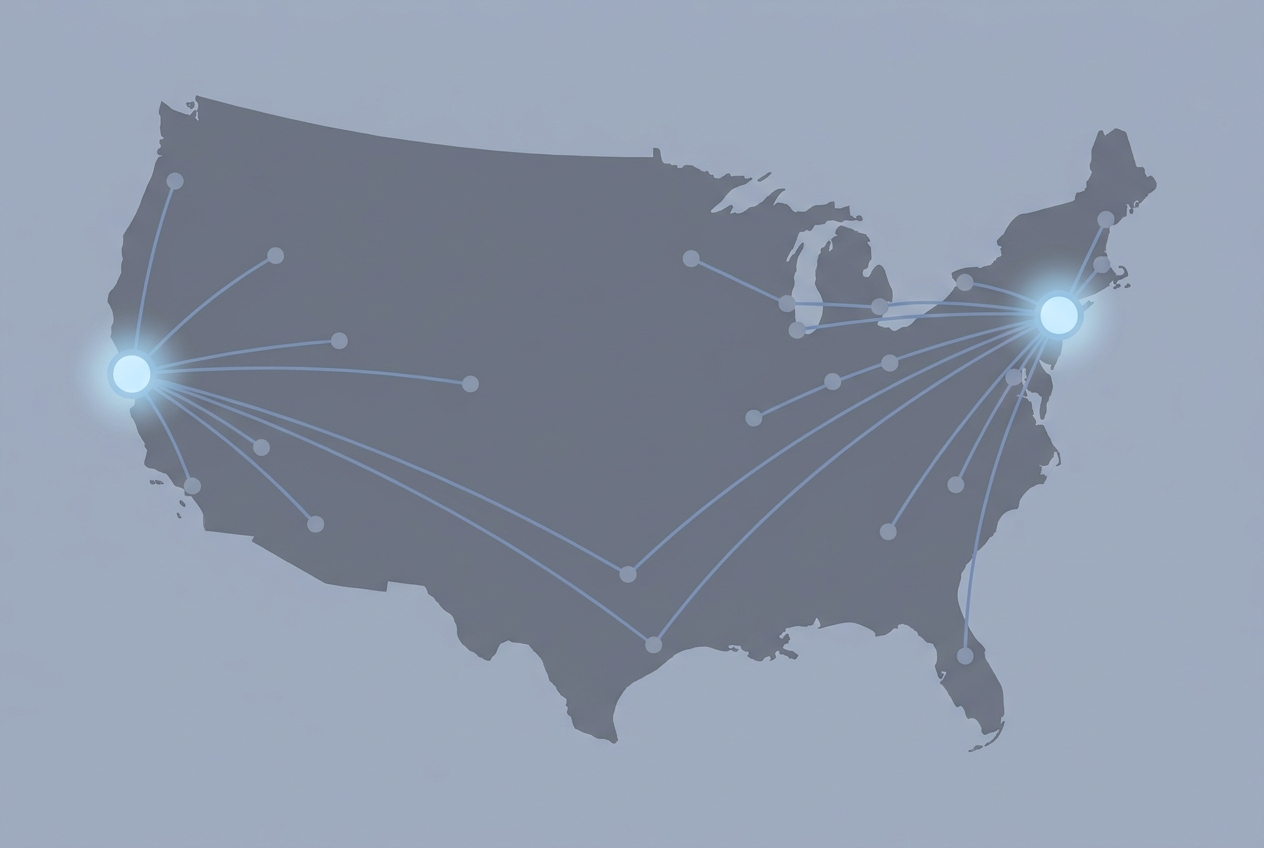
Consider a brand shipping nationwide from a single central node. Ground parcel from the middle of the country reaches nearby states in one to two days but takes four to five days to both coasts, and coastal orders land in the higher zones on every invoice. Now add a second node on the opposite coast from your first. Orders in the eastern half ship from the eastern node and the western half from the western node, so the average order crosses fewer zones and most of the country moves into a one-to-three-day window. The two-coast pair typically pulls national average transit down by a day or more and shifts a meaningful share of volume out of the top zones. Whether that saves money depends on whether the per-package drop, multiplied by your volume, clears the cost of the second lease and team. For a fuller treatment of the two-node case, see the two-warehouse fulfillment strategy guide.
How do one, two, and multi-node networks compare?
The table below compares the three common footprints on the factors that decide the choice.
| Factor | 1 node | 2 nodes | Multi-node (3+) |
|---|---|---|---|
| Continental US transit | 2 to 5 ground days | 1 to 3 ground days | 1 to 2 ground days |
| Average parcel zone | Highest | Lower | Lowest |
| Fixed operating cost | Lowest | Roughly double | Highest |
| Total safety stock | Lowest | Higher | Highest |
| Operational complexity | Simple | Moderate | High |
| Best for | Most brands starting out | High-volume nationwide brands | Fast-delivery or very high volume |
When does a second warehouse pay off?
A second warehouse pays off when the per-package savings from lower average zones, times your parcel volume, exceed the fixed cost of running the extra location. Brands shipping heavier parcels or high daily volume reach that threshold sooner, because each avoided zone is worth more and the fixed cost spreads across more orders. Low-volume brands or those shipping light, low-zone-sensitive parcels often never clear it, and are better served by one node plus a sharper carrier contract. Before you commit, forecast the split: estimate how much volume the new node captures and what average zone each location serves. If the second node does not move enough packages into lower zones, the lease and labor will outrun the savings.
When does a third node or more make sense?
A third node mainly buys speed, not savings. Once two coasts are covered, a third location fills a slow interior corner or supports a one-to-two-day promise that two nodes cannot quite hit. The marginal parcel savings shrink with each added node while inventory and complexity keep climbing, so three-plus footprints are justified by delivery-speed requirements or very high volume rather than by cost alone. This is where careful fulfillment provider selection matters, since a partner with an existing multi-node network lets you place inventory without signing three separate leases yourself. Compare warehousing and 3PL options in the warehousing and 3PL directory to see who operates where you need coverage.
How do you choose where each node goes?
Choose locations to minimize the average zone to your actual customers, not to the map. A single node usually sits centrally or slightly east of center, near the population density of the eastern half while still reaching the coasts in a few days. A second node typically goes on the opposite coast to balance the network. Weight the placement by where your orders actually ship, using your own order history rather than assumptions, and factor in labor availability, freight lanes, and proximity to ports if you import. National freight and warehousing capacity data from the Bureau of Transportation Statistics can help you sanity-check regional lane costs, and the Small Business Administration has guidance on financing the fixed cost of an added facility.
Frequently asked questions
How many warehouses does an ecommerce brand need?
Most brands start with one node and stay there until parcel spend and delivery promises justify more. A single central location covers the continental US in two to five ground days. A second node is usually the point where transit and zone-based parcel costs drop enough to offset the added fixed cost, and a third node mainly buys speed rather than savings.
What is zone skipping?
Zone skipping is moving inventory in bulk closer to the customer before it enters the parcel network, so the final delivery crosses fewer carrier zones. Parcel carriers price ground shipments by zone, roughly zone 1 for local up to zone 8 for cross-country, so shortening that final leg lowers the per-package rate and the transit time.
When does a second warehouse pay off?
A second warehouse tends to pay off when your parcel volume is high enough that the per-package savings from lower average zones exceed the fixed cost of running the extra location. Brands shipping heavier or higher-volume parcels nationwide reach that point sooner than low-volume or lightweight-parcel brands.
Where should a single-node brand locate its warehouse?
A single-node brand usually locates centrally or slightly east of center to minimize the average zone to the whole country. Common choices sit in the middle of the country or in eastern logistics hubs, close to the population density of the eastern half while still reaching the coasts in a few ground days.
Does splitting inventory across nodes increase total inventory cost?
Yes. Splitting inventory across two or three nodes raises the safety stock you carry, because each location needs its own buffer. That higher inventory carrying cost is one of the tradeoffs you weigh against the transit and parcel savings a second node delivers.
How fast can one warehouse reach the US?
From a central node, ground parcel typically reaches most of the continental US in two to five business days, with the coasts at the far end of that range. A second, coast-facing node is what pulls the slow corners down toward one to three days.
Ready to compare providers?
Search the directory by service and location, save options to your shortlist, and send a clear RFQ.
Related guides
What Is Freight Audit and Payment?
Freight audit and payment checks every carrier invoice against your contracted rate and the bill of lading, corrects overcharges, pays the carrier, and captures the cost data.
How to Write a Logistics RFP
A section-by-section guide to writing a logistics RFP that gets accurate, comparable quotes from 3PLs, freight brokers, and carriers.
Reverse Logistics: Returns, Recalls, and Recycling
A complete guide to reverse logistics: the backward flow of returns, recalls, repairs, redistribution, recycling, and disposal, plus how to recover value and choose a provider.