
Medical Device Logistics: What to Know

Medical device logistics is the specialized storage, handling, and transport of medical equipment and supplies, from sterile implants and surgical trays to diagnostic reagents and capital imaging systems. It differs from ordinary freight because a single shipment can carry patient-critical, temperature-sensitive, and lot-controlled goods that must stay traceable from the factory to the operating room. Get it wrong and you risk a compromised device, a delayed procedure, or a recall you cannot execute cleanly.
Key takeaways
- Medical device shipments are frequently patient-critical and lot- or serial-controlled, so traceability matters more than raw transit speed.
- Consignment inventory and field trunk stock keep devices near the point of use but demand disciplined lot tracking and expiry management.
- Only some devices need temperature control, but when a label specifies a range, treat it like cold chain freight with monitoring.
- Capital equipment often needs white glove delivery: inside delivery, uncrating, installation, and end-user training, not a dock drop.
- Vet a provider on traceability, sterile handling, temperature capability, and recall response, not price alone.
What makes medical device logistics different from standard freight?
The core difference is consequence and traceability. A late pallet of consumer goods is an inconvenience; a damaged sterile implant or a mis-shipped lot can cancel a surgery or trigger a recall. Because of that, medical device handling leans on lot and serial records, controlled storage, careful packaging, and documented chain of custody rather than just moving boxes at the lowest cost.
Product mix is also unusually wide. One provider may handle high-value low-volume implants, bulk disposables, refrigerated reagents, and multi-ton imaging machines, each with different storage, packaging, and delivery needs. That range is why many manufacturers use a partner that specializes in this space rather than a general parcel or freight carrier. You can compare specialists in the medical device logistics directory or browse the full logistics company directory.
What is consignment inventory and field trunk stock?
Consignment inventory is stock a manufacturer places at a hospital or with a sales rep that the customer pays for only when it is used. Trunk stock is the portion a field rep carries in a vehicle to bring directly to a case. Both models put devices close to the point of care so a surgeon has the right size or configuration on hand.
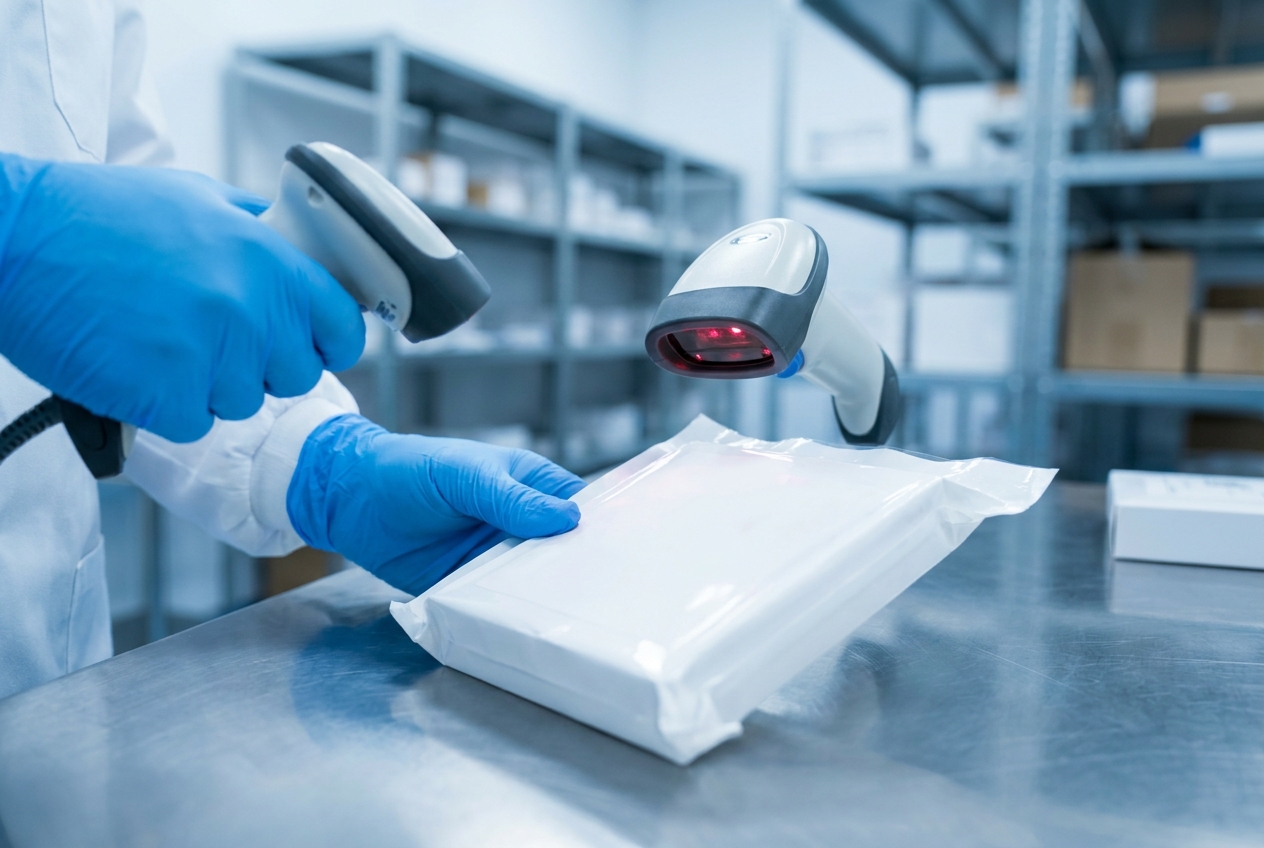
The logistics challenge is control. Consigned and trunk stock still belongs to the manufacturer, sits outside the central warehouse, and often includes lot-dated or sterile items. Without regular cycle counts and lot tracking, units expire unnoticed or go missing, and a recall becomes far harder to execute. Strong programs track every unit by lot or serial number wherever it sits, replenish against actual usage, and reconcile field stock on a set cadence.
How are sterile and sensitive devices handled?
Sterile devices must reach the point of use with their sterile barrier intact, so handling protects packaging integrity above all. That means controlled storage away from moisture and contaminants, protective packaging that resists crushing and punctures, careful stacking limits, and inspection for breached seals or expired sterilization dates at receiving and before shipment.
Sensitive does not only mean fragile. Some devices are sensitive to shock and vibration, some to static, and some to light or humidity. A worked example: a batch of implantable devices moving from a distribution center to a surgical center is short-shipped one lot because a carton showed a compromised seal at outbound inspection. Catching it there, rather than in the operating room, is exactly what disciplined sterile handling is for. For devices that also carry a temperature label, sterile handling stacks on top of cold chain controls.
Why does lot and serial traceability matter for recalls?
Traceability turns a recall from a crisis into a procedure. When every device is tracked by lot or serial number through receiving, storage, consignment, and shipping, a provider can pinpoint exactly where affected units sit, quarantine them, and document their return. Without that record, a recall can force a broader, slower, and more expensive pull because you cannot prove which units are clear.
This is also where the FDA Unique Device Identifier (UDI) framework helps. A UDI gives many devices a standardized code, and for lot- or serial-managed products it can identify the specific production unit, which supports consistent scanning and recall response. It does not replace a full logistics record. Because device rules change, confirm current requirements with the U.S. Food and Drug Administration rather than relying on general guidance. When devices are returned, repaired, or restocked, disciplined reverse logistics keeps that traceability intact through the return leg.
Which medical devices need temperature control?
Only some do, and the label is the authority. Many devices ship at ambient temperature, but biologics, certain diagnostic reagents, some drug-device combination products, and orthobiologics carry defined ranges. When a device specifies a range, it needs qualified packaging or refrigerated transport plus continuous temperature monitoring, the same discipline used in cold chain logistics. If you are new to those requirements, the guides on cold storage temperature ranges explain how ranges are defined and monitored.
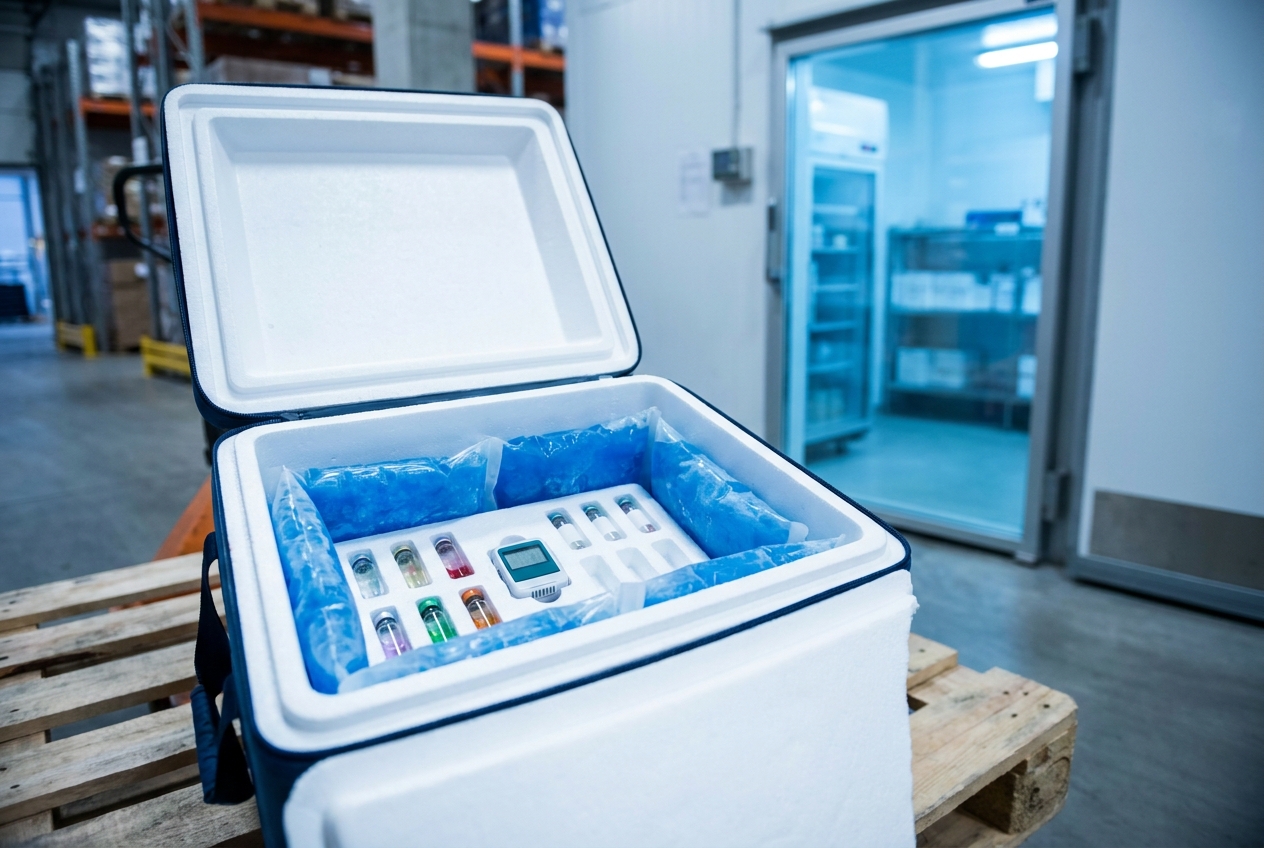
The practical mistake is treating every device as ambient or every device as cold. Both are wrong. Map each SKU to its actual requirement, and route the temperature-controlled items through qualified lanes while shipping ambient items normally, so you are not paying for refrigeration you do not need or risking excursions on the ones you do.
What is white glove delivery, installation, and training?
White glove delivery means the provider does more than leave a crate at the dock. For capital equipment like imaging systems, surgical robots, or lab analyzers, it can include appointment scheduling, inside delivery, uncrating, positioning in the room, assembly or installation, debris removal, and a functional check or end-user training before sign-off.
It matters because the device is only useful once it is installed and working where clinicians need it, and because heavy or delicate equipment can be damaged by an ordinary curbside delivery. The broader mechanics of premium final-mile service, from scheduling to setup, are covered in the white glove delivery guide. When you request quotes, confirm exactly where the provider's responsibility ends: at the dock, inside the room, or after installation and training.
How do you choose a medical device logistics provider?
Match the provider to your product mix and your traceability needs, not to the lowest line-haul rate. A partner that is excellent at ambient bulk disposables may not be set up for refrigerated reagents or capital installs, and vice versa. The table below maps common device categories to the handling requirements to ask about.
| Device category | Key handling requirements | Temperature | Delivery model |
|---|---|---|---|
| Sterile implants and surgical trays | Sterile barrier protection, lot and expiry tracking, often consignment or trunk stock | Usually ambient | Case-ready, sometimes rep-delivered |
| Disposables and consumables | Bulk storage, cycle counts, expiry rotation | Usually ambient | Standard freight or parcel |
| Diagnostic reagents and biologics | Qualified packaging, continuous monitoring, excursion handling | Refrigerated or frozen | Cold chain lanes |
| Capital equipment (imaging, analyzers) | Crating, shock and vibration control, installation | Ambient, some sensitive components | White glove, inside delivery and install |
| Returns and repairs | Chain of custody, decontamination staging, disposition tracking | Varies by device | Reverse logistics |
Beyond the fit, screen candidates on a short checklist: unit-level lot and serial traceability, sterile and controlled storage, temperature capability with monitoring for the SKUs that need it, consignment and field-stock management if you use those models, white glove and installation for capital gear, and a documented recall and returns process. It is also worth confirming carrier vetting for the transport legs; the Federal Motor Carrier Safety Administration is where you verify a motor carrier's authority and safety record. When you are ready to compare specialists, start from the medical device logistics category and ask each provider to walk through how they would handle your highest-risk SKU end to end.
Frequently asked questions
What is medical device logistics?
Medical device logistics is the specialized storage, handling, and transport of medical equipment and supplies, including sterile implants, surgical instruments, diagnostic reagents, and capital imaging equipment. It differs from standard freight because shipments are often patient-critical, lot- or serial-controlled, and sometimes temperature-sensitive, so they must stay traceable and undamaged from the manufacturer to the point of care.
What is consignment or trunk stock inventory?
Consignment inventory is stock a manufacturer places at a hospital or with a sales rep that the customer only pays for when it is used. Trunk stock is the subset a field rep carries in a vehicle to bring directly to a procedure. Both keep devices close to the point of use, but they require tight lot and serial tracking so expired or recalled units can be pulled quickly.
Do medical devices need temperature control?
Some do. Many devices ship at ambient temperature, but biologics, certain diagnostic reagents, some drug-device combination products, and orthobiologics have defined temperature ranges. When a device has a labeled range, it needs qualified packaging or refrigerated transport and continuous temperature monitoring, similar to cold chain pharmaceutical handling.
What is white glove delivery for medical devices?
White glove delivery means the provider does more than drop a pallet at the dock. For capital equipment like imaging or surgical systems, it can include inside delivery, uncrating, positioning, assembly or installation, debris removal, and end-user training or a functional check before sign-off.
How does lot and serial traceability support recalls?
Recalls require pulling only the affected units fast. If every device is tracked by lot or serial number through receiving, storage, and shipping, a provider can identify exactly where recalled units are, quarantine them, and document their return. Without that record, a recall can force a much broader, slower, and costlier pull.
What is a Unique Device Identifier (UDI)?
A Unique Device Identifier (UDI) is an FDA framework that gives many devices a standardized code identifying the model and, for lot- or serial-managed products, the specific production unit. It is not a substitute for a full logistics record, but it supports consistent scanning, traceability, and recall response. Confirm current UDI requirements against the FDA rather than relying on general guidance.
Ready to compare providers?
Search the directory by service and location, save options to your shortlist, and send a clear RFQ.
Related guides
What Is Freight Audit and Payment?
Freight audit and payment checks every carrier invoice against your contracted rate and the bill of lading, corrects overcharges, pays the carrier, and captures the cost data.
How to Write a Logistics RFP
A section-by-section guide to writing a logistics RFP that gets accurate, comparable quotes from 3PLs, freight brokers, and carriers.
Reverse Logistics: Returns, Recalls, and Recycling
A complete guide to reverse logistics: the backward flow of returns, recalls, repairs, redistribution, recycling, and disposal, plus how to recover value and choose a provider.