
Freight Consolidation: How It Cuts Shipping Cost
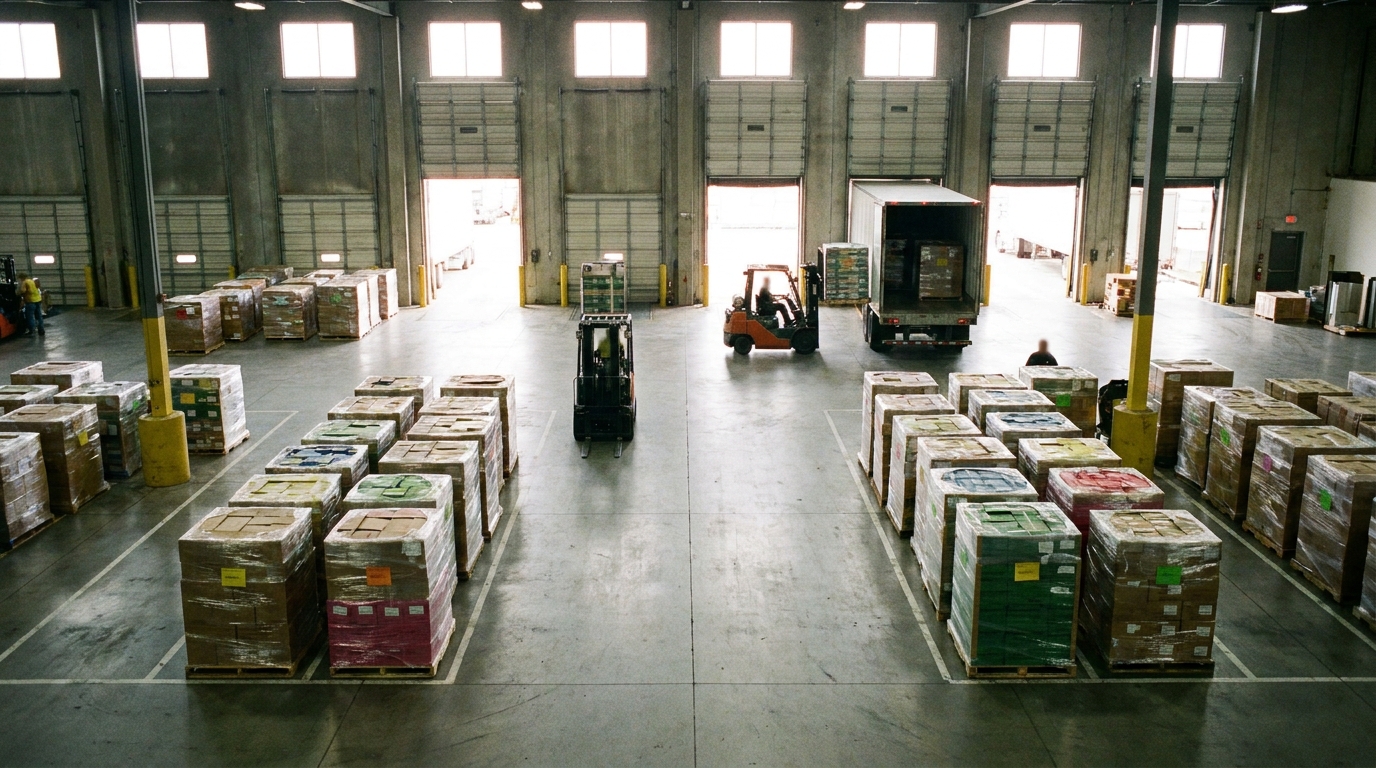
Freight consolidation is the practice of combining several smaller shipments, usually less-than-truckload (LTL) loads or purchase orders bound for the same region, into one larger truckload or volume move. You do it to cut cost. LTL pricing charges each shipment its own base rate, fuel, and accessorials, so five separate pallets can cost far more than the same freight riding together on one trailer. Consolidation trades a little transit time for a lower cost per pound, and on the right lanes the savings are substantial.
Key takeaways
- Freight consolidation combines multiple LTL shipments or POs into one larger move so you pay a lower rate per pound instead of several LTL base rates.
- The main tradeoff is time: consolidated freight often waits for other loads or a scheduled outbound truck, so it moves at slightly slower, more predictable transit.
- Multi-vendor consolidation pools inbound POs from several suppliers; pool distribution does the reverse, hauling one full trailer to a region and breaking it down for local delivery.
- It pays when you move steady LTL volume into overlapping lanes and your delivery windows can absorb a short hold. Time-critical freight should ship direct.
- Always price the consolidated move against straight LTL on your real lanes before switching.
What is freight consolidation?
Freight consolidation is combining multiple small shipments into one larger, cheaper move. The freight is gathered at a warehouse or terminal, staged until enough volume or a scheduled truck is ready, then loaded together and hauled as a single truckload or volume shipment. Because carriers price full trailers at a lower rate per pound than individual LTL loads, the combined move usually costs less than the sum of the separate ones.
Consolidation is a strategy, not a single technique. It can happen through cross-docking, where inbound freight is unloaded and reloaded onto an outbound trailer with little or no storage, or through short-term staging when suppliers ship on different days and the freight waits for a weekly outbound. Either way, the goal is the same: more weight per trailer, fewer separate rates.
How does freight consolidation cut shipping cost?
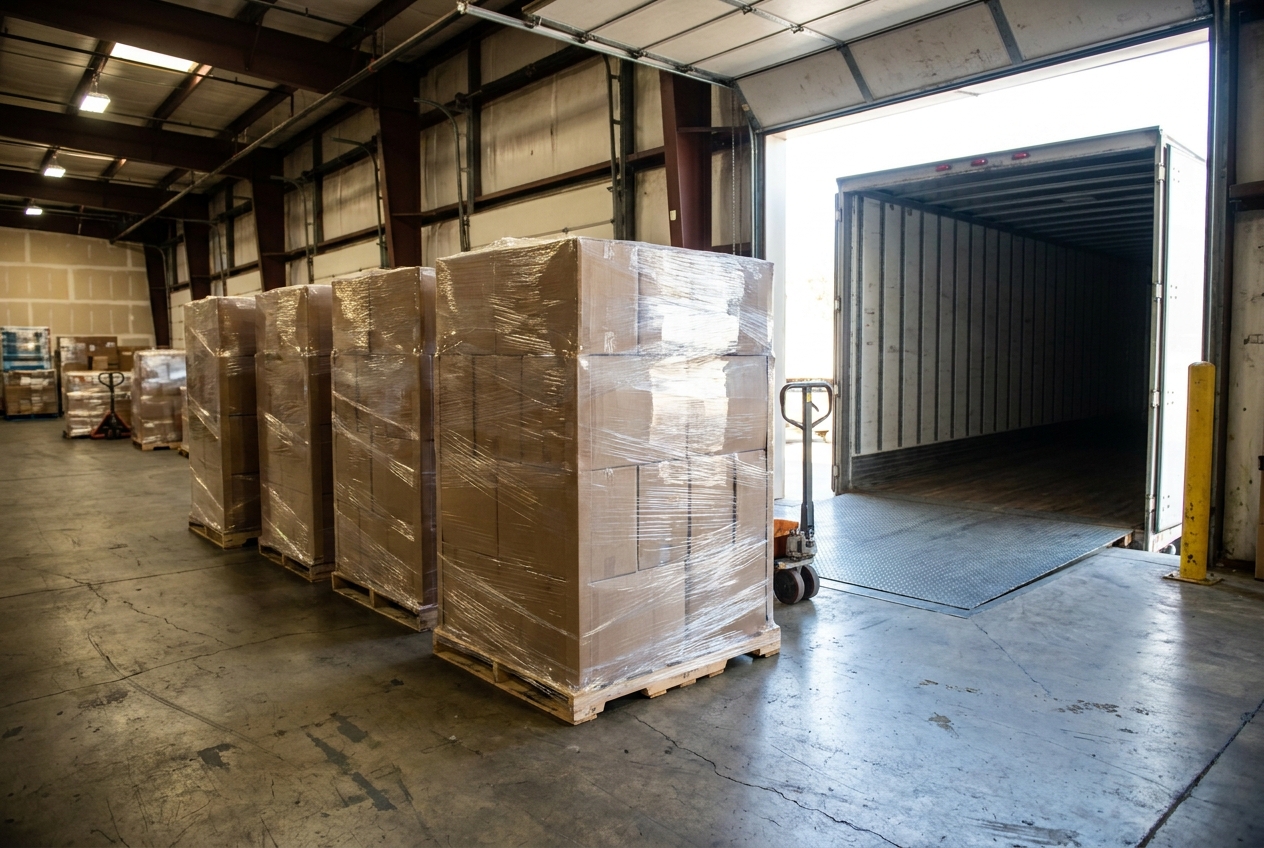
It cuts cost by replacing several LTL base rates with one truckload or volume rate on the combined weight. Every LTL shipment carries its own minimum charge, fuel surcharge, and potential accessorials like liftgate or residential fees. Pool those shipments onto one trailer and you pay a single line haul, spread the fixed costs across more freight, and often drop the density-driven freight class penalties that make small LTL loads expensive.
The other saving is handling. Fewer pickups, fewer bills of lading, and fewer touches mean less accessorial exposure and lower damage risk. If you are already working to reduce LTL freight costs, consolidation is often the single largest lever once your classes and packaging are clean.
What is multi-vendor consolidation and pool distribution?
Multi-vendor consolidation pools inbound freight from several suppliers into one shipment to your facility. Instead of each vendor shipping a separate LTL PO to your distribution center, they deliver to a shared consolidation point, where the freight is combined and sent to you as one full trailer. Retailers use this heavily to fill trucks and cut inbound freight spend across dozens of suppliers.
Pool distribution is the outbound mirror image. One full trailer of freight destined for many locations in a region is hauled to a pool point, then broken down and delivered locally on smaller trucks. You replace many long-haul LTL shipments with a single line haul plus short local runs, which lowers cost and tightens delivery consistency for store or customer networks.
What is the tradeoff between cost savings and transit time?
The tradeoff is simple: you gain a lower rate and give up some speed. Consolidated freight typically waits at the consolidation center for other shipments or a scheduled outbound departure, which adds hold time before the truck even rolls. In exchange, transit is usually more predictable because the freight moves direct as a truckload rather than through multiple LTL terminal transfers.
For most replenishment and stock orders, a day or two of added lead time is a fair trade for the rate. For a rush order, a promotional launch, or anything with a hard delivery date, ship it direct as LTL or expedited and keep it out of the pool.
| Factor | Separate LTL loads | Consolidated volume move |
|---|---|---|
| Rate basis | Each load pays its own base rate and fuel | One truckload or volume rate on combined weight |
| Cost per pound | Higher, especially on light or high-class freight | Lower as the trailer fills |
| Transit time | Faster to depart, but multiple terminal transfers | Short hold to consolidate, then direct haul |
| Handling and damage risk | More touches, more bills of lading | Fewer touches once combined |
| Best for | Urgent or one-off shipments | Steady volume into overlapping lanes |
When does freight consolidation make sense?
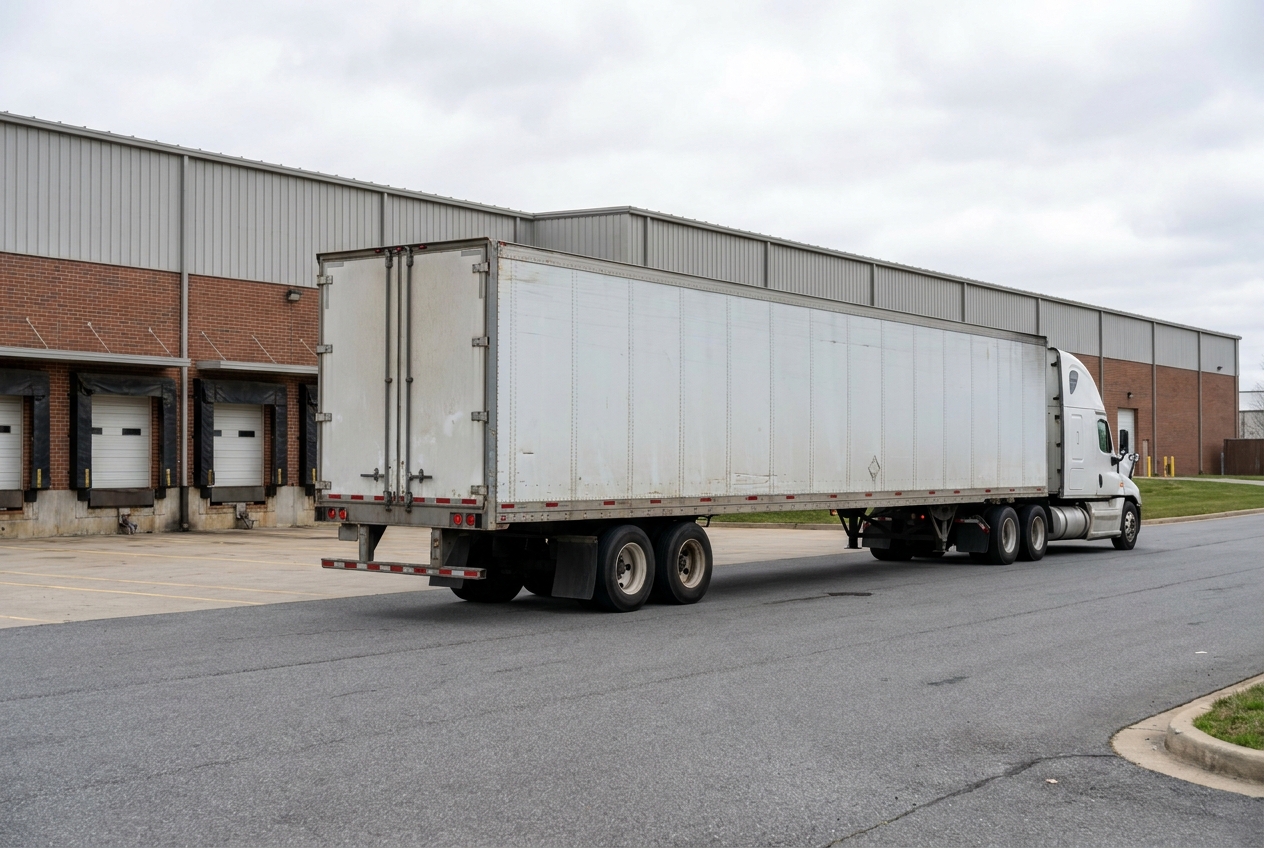
It makes sense when you move steady LTL volume into overlapping lanes and your delivery windows can absorb a short hold. The strongest candidates are shippers sending several LTL loads per week toward the same region, brands buying from multiple suppliers clustered in one area, and retailers filling inbound trucks to their DCs.
It makes less sense for one-off shipments, urgent freight, or lanes where you rarely have more than one load moving at a time. If your volume is thin or scattered across many unrelated destinations, the hold time and coordination may outweigh the rate savings. Run the numbers on your actual lanes rather than assuming.
A worked example: five LTL loads into one volume move
Say a housewares brand buys from five suppliers across Ohio and Indiana, each shipping one pallet per week to the brand's distribution center in Georgia. Shipped separately, that is five LTL loads, each with its own base rate, fuel surcharge, and terminal handling, and each subject to its own freight class.
Route those five pallets to a Midwest consolidation center instead. The freight is staged, combined onto one trailer once the week's volume arrives, and hauled to Georgia as a single volume move. The brand now pays one line haul on roughly 3,000 to 4,000 pounds instead of five LTL minimums, drops four of the five accessorial sets, and takes fewer damage-prone terminal transfers. The cost is one to two extra days of lead time while the freight assembles, plus a per-pallet consolidation handling fee. On a lane like this the combined rate commonly lands well below the stacked LTL total, which is why retail consolidation providers build their programs around exactly this pattern.
How do you set up and vet a consolidation program?
Start by mapping your lanes and volume: which suppliers or destinations cluster, how many LTL loads move where each week, and how much slack your delivery windows have. That tells you where a pool is realistic. Then price a consolidated move against straight LTL on those lanes, including the consolidation handling fee, so you are comparing landed cost, not just line haul.
When choosing a partner, confirm active operating authority and safety standing through the FMCSA, ask how freight is staged and how long it typically holds, and get clarity on damage liability and claims once loads are combined. Broader mode and lane context from the Bureau of Transportation Statistics can help you sanity-check where truckload capacity is tight. You can compare vetted providers and their coverage in the National Freight Hub directory of logistics companies before you request quotes.
Frequently asked questions
What is freight consolidation in simple terms?
Freight consolidation is combining several smaller shipments, usually LTL loads or purchase orders headed to the same region, into one larger truckload or volume move. Instead of paying LTL rates on each shipment, you pay one lower per-pound rate on the combined freight.
How much can freight consolidation save?
Savings depend on lane, density, and how full the combined move is, but shippers commonly see a meaningful reduction in cost per pound versus shipping the same volume as separate LTL loads. The more shipments you can pool onto one trailer, the larger the gap. Always price both options on your actual lanes before committing.
What is the difference between consolidation and cross-docking?
Consolidation is the strategy of combining multiple shipments to lower cost; cross-docking is one method used to do it, where inbound freight is unloaded and reloaded onto an outbound trailer with little or no storage. Consolidation can also happen with short-term staging when suppliers ship on different days.
Does freight consolidation slow down delivery?
Usually a little. Freight often waits at a consolidation center for other shipments or a scheduled outbound truck, which adds hold time. That is the core tradeoff: you accept somewhat longer, more predictable transit in exchange for a lower rate. Time-critical orders should ship direct.
What is pool distribution?
Pool distribution is the reverse of inbound consolidation. One full trailer of freight for many destinations in a region is hauled to a pool point, then broken down and delivered locally on smaller trucks. It replaces many long-haul LTL shipments with one line haul plus local delivery.
Is freight consolidation only for large shippers?
No. Any shipper moving several LTL loads per week into the same region can benefit, and multi-vendor programs let smaller brands share a trailer with other shippers. The key factors are volume, lane overlap, and whether your delivery windows tolerate a short hold.
Ready to compare providers?
Search the directory by service and location, save options to your shortlist, and send a clear RFQ.
Related guides
Driver English Language Proficiency: What Shippers Should Know
Driver English language proficiency is a longstanding FMCSA requirement now enforced as an out-of-service condition, and here is what it means for shippers.
Hazmat Shipping Requirements: A Shipper Guide
What shippers must get right to move hazardous materials legally: the nine DOT hazard classes, UN numbers, packing groups, placards, shipping papers, packaging, and training.
What Is Heavy Haul Trucking? Permits and Escorts
Heavy haul trucking moves loads too large or heavy for a standard trailer, using specialized equipment, state permits, and escorts. Here is how it works.