
What Is an HTS Code and Why It Matters
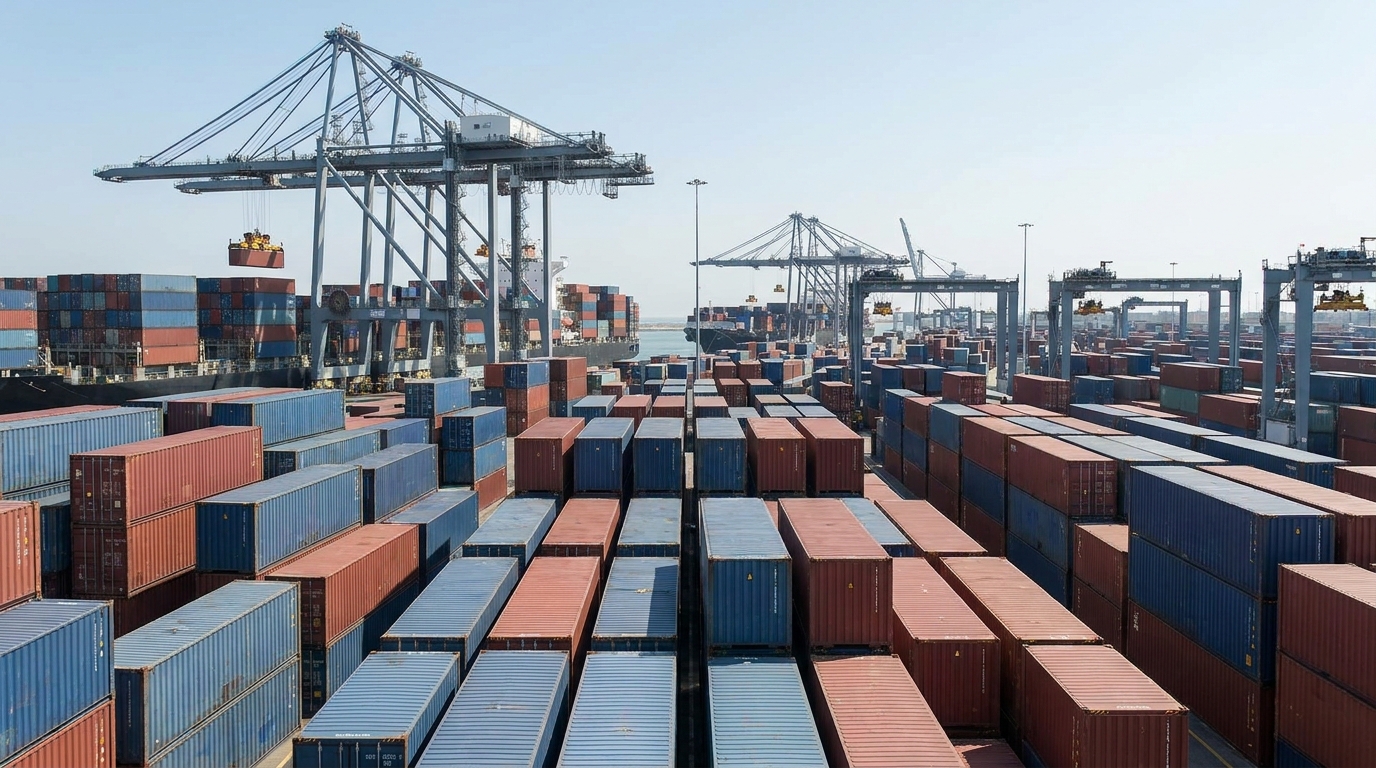
An HTS code is the 10-digit number that classifies an imported product under the Harmonized Tariff Schedule of the United States and sets the duty rate US Customs and Border Protection collects on it. Every product entering the country needs one, and the specific code you declare decides whether the shipment clears duty-free or carries a rate of several percent or more. Because the importer of record, not the broker, is legally responsible for that number, an HTS code is one of the few line items on an entry where a small mistake turns into real money.
Key takeaways
- An HTS code is a 10-digit classification: the first six digits are the international Harmonized System (HS) code, and the last four are US-specific digits that set the tariff rate and statistical category.
- The code, not the product description, drives the duty rate, so two similar-looking goods can owe very different amounts.
- The importer of record is responsible for classifying goods with reasonable care, even when a customs broker files the entry.
- Misclassification can mean overpaying duty or facing back duties, interest, and penalties from CBP.
- You can verify a code with a licensed customs broker or through CBP resources, including a binding ruling for a definitive answer.
What is an HTS code?
An HTS code is a standardized number that tells customs exactly what a product is so it can be assigned the correct import duty. It comes from the Harmonized Tariff Schedule of the United States, the master list of every category of goods and the tariff treatment that applies to each. The system is built on the global Harmonized System maintained by the World Customs Organization, which most trading nations share at the six-digit level, then extended with digits specific to the United States.
In practice that means the first six digits of your HTS code are the same worldwide, and the remaining digits are what make it a US code. Classification is legally the importer's job under a reasonable care standard, and getting to the right code often depends on details like material composition, function, and how the item is packaged for retail. Once goods clear the border, they move into the rest of the supply chain, which is where the broader customs clearance process picks up.

How is an HTS code structured?
An HTS code reads left to right from broad to specific, in pairs of digits. The first two digits are the chapter, the next two narrow it to a heading, and each following pair drills down to the exact product and its tariff and reporting treatment. Only the last four digits are unique to the United States.
| Digits | Name | What it identifies | Standard |
|---|---|---|---|
| 1 to 2 | Chapter | Broad product family (for example, textiles or machinery) | International (HS) |
| 3 to 4 | Heading | The specific category within the chapter | International (HS) |
| 5 to 6 | Subheading | The precise product type | International (HS) |
| 7 to 8 | US subheading | The tariff rate line that applies in the US | US-specific |
| 9 to 10 | Statistical suffix | Trade-data reporting detail | US-specific |
So a code written like 6109.10.0004 splits into an HS subheading (6109.10) shared globally, plus US digits that pin down the duty rate and the statistical line. If you only have a six-digit HS code from a foreign supplier, you still need the full 10 digits to file a US entry.
How does an HTS code set the duty rate?
The HTS code is the lookup key for duty: each 10-digit line in the tariff schedule carries a rate, and CBP applies that rate to the declared customs value of your goods. Change the code and you change the rate, which is why classification is the single biggest lever on what you owe. Rates are expressed as a percentage of value, a charge per unit, or a combination, and some lines are duty-free while others run into double digits.
The duty is only part of your total cost. Once you know the rate, the landed cost also includes freight, insurance, brokerage, and any additional fees, which a landed cost calculator can help you estimate before you commit to a supplier. Low-value shipments have historically moved under a separate simplified process, though the changes to de minimis and Section 321 have narrowed when that applies.
How does the code drive duty in practice?
Consider two shipments of knit shirts that look nearly identical on the dock. One is 100 percent cotton and the other is a synthetic blend. They fall under different tariff lines, and the rates attached to those lines are not the same, so the same customs value produces two different duty bills. The table below is illustrative; always confirm the current rate for your exact code in the tariff schedule.
| Scenario | Material | Different tariff line | Duty outcome |
|---|---|---|---|
| Shipment A | Knit cotton shirts | Cotton apparel subheading | One published rate applies to the customs value |
| Shipment B | Knit synthetic shirts | Man-made-fiber apparel subheading | A different published rate applies, often higher |
The lesson is that the physical description is not enough. The composition, construction, and end use decide the line, and the line decides the money. On a large order, choosing the wrong line by one subheading can shift the duty owed by a meaningful margin, which is why buyers confirm classification before they lock in a purchase price.
What are the consequences of misclassification?
Misclassification cuts both ways, and both hurt. Declaring a code with a higher rate than your goods actually warrant means overpaying duty on every shipment, money that is hard to recover once entries are liquidated. Declaring a code with a lower rate, even by accident, means underpaying, and CBP can assess the back duties plus interest and penalties.
Because the importer of record is held to a reasonable care standard set out in CBP guidance for importers, a pattern of errors raises audit exposure and can escalate the size of penalties, whether or not the mistake was intentional. The practical defense is documentation: keep a written rationale for how each product was classified, so you can show the reasoning if CBP asks.
How do you find and verify an HTS code?
Start with the official Harmonized Tariff Schedule, published by the US International Trade Commission and searchable online, then read the chapter and section notes, because those notes often decide which of two plausible lines is correct. For a binding answer, CBP issues advance rulings that legally settle the classification of a specific product before it ships. Its official guidance on classification and rulings explains how the reasonable care standard and the binding ruling process work.
For anything ambiguous, a licensed customs broker is the fastest route to a defensible code. Brokers classify goods every day and can flag where a product sits between two lines. You can compare providers in the customs brokerage directory, and if you are still deciding who handles what, the guide on a customs broker versus a freight forwarder lays out where each fits. Whoever files, remember the responsibility for the declared code stays with you as the importer.
HTS code vs HS code vs Schedule B: what is the difference?
These three overlap but are not interchangeable, and mixing them up on paperwork causes rejected entries. The HS code is the six-digit international core, the HTS code extends it to 10 digits for US imports, and Schedule B is a separate export code administered by the Census Bureau.
| Code | Digits | Used for | Administered by |
|---|---|---|---|
| HS code | 6 | International classification baseline | World Customs Organization |
| HTS code | 10 | US imports and duty assessment | US International Trade Commission (enforced by CBP) |
| Schedule B | 10 | US exports and trade statistics | US Census Bureau |
All three share the same first six digits, so a product's HS root stays constant while the tail digits change with direction and country. When you gather paperwork for a shipment, matching the right code to the right document is part of assembling the full set, covered in the guide on documents a customs broker needs.
Frequently asked questions
What is an HTS code?
An HTS code is a 10-digit number from the Harmonized Tariff Schedule of the United States that classifies an imported product and determines its duty rate. The first six digits are the internationally standardized Harmonized System code; the last four are US-specific digits that set the tariff rate and statistical reporting category.
What is the difference between an HTS code and an HS code?
The HS code is the first six digits, standardized worldwide by the World Customs Organization. The HTS code extends it to 10 digits with US-specific subheadings, so every US HTS code contains a valid HS code but carries extra digits that other countries do not share.
Who assigns the HTS code for my product?
The importer of record is legally responsible for classifying the goods and declaring the correct HTS code, even when a customs broker files the entry. You can classify it yourself, have your broker do it, or request a binding ruling from CBP for a definitive answer.
What happens if I use the wrong HTS code?
Misclassification can mean overpaying duty you did not owe or underpaying it, which can trigger back duties, interest, and penalties from CBP. Because the importer is responsible for reasonable care, repeated errors raise audit and penalty exposure even if they were unintentional.
Where do I look up an HTS code?
The full Harmonized Tariff Schedule is published by the US International Trade Commission and searchable online, and CBP explains classification and binding rulings on its site. A licensed customs broker can also classify goods and confirm the code before you file.
Is an HTS code the same as a Schedule B number?
No. Schedule B numbers classify US exports and are administered by the Census Bureau, while HTS codes classify imports for duty purposes. Both share the same first six HS digits, but they are not interchangeable on customs paperwork.
Ready to compare providers?
Search the directory by service and location, save options to your shortlist, and send a clear RFQ.
Related guides
What Is Freight Audit and Payment?
Freight audit and payment checks every carrier invoice against your contracted rate and the bill of lading, corrects overcharges, pays the carrier, and captures the cost data.
How to Write a Logistics RFP
A section-by-section guide to writing a logistics RFP that gets accurate, comparable quotes from 3PLs, freight brokers, and carriers.
Reverse Logistics: Returns, Recalls, and Recycling
A complete guide to reverse logistics: the backward flow of returns, recalls, repairs, redistribution, recycling, and disposal, plus how to recover value and choose a provider.