
Ocean Freight Accessorials: Reading Your Quote
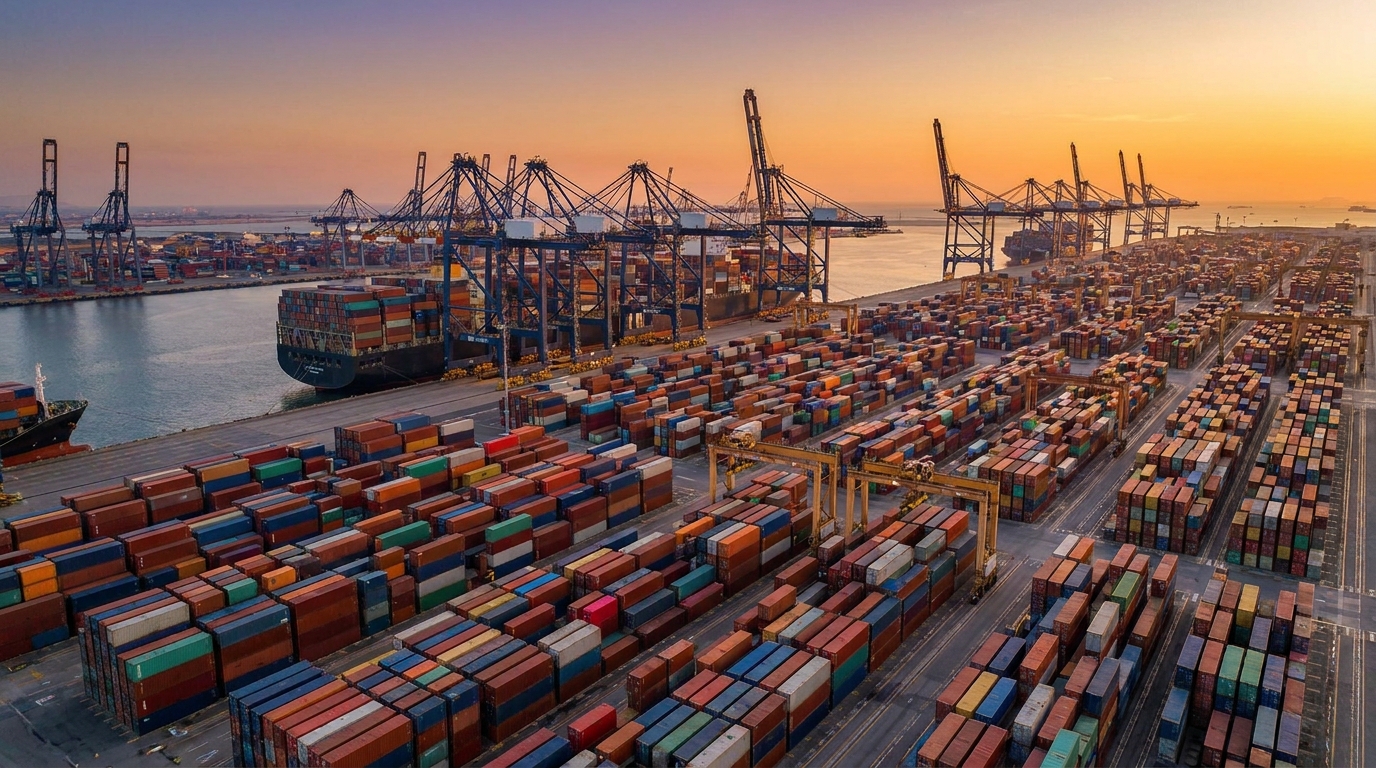
Ocean freight charges are almost never a single number. The base rate at the top of a quote covers moving your container from port to port, but the total you actually pay is a stack of accessorials and surcharges: terminal handling, fuel and currency adjustments, peak season fees, documentation, chassis, ISF filing, and the demurrage or detention risk waiting at either end. Reading an ocean freight quote well means knowing what each line item is, what triggers it, and whether two quotes are even comparable in the first place.
Key takeaways
- The base ocean rate covers port-to-port movement only; accessorials and surcharges often add up to a meaningful share of the total.
- Terminal handling (THC) is usually billed at both origin and destination, so expect two separate lines on a door-to-door move.
- BAF, CAF, and PSS are adjustment surcharges tied to fuel prices, exchange rates, and shipping demand, and they change over time.
- Demurrage and detention are time-based penalties you can avoid with planning; they are not fixed freight costs.
- To compare quotes fairly, normalize the scope and add the true landed total, not the base rate.
What does the base ocean freight rate actually cover?
The base ocean rate covers the ocean carrier moving your container from the load port to the discharge port, and nothing more. It does not include lifting the box on and off the vessel, moving it around the terminal, the equipment you need to haul it inland, or the paperwork required to clear it. Those are the accessorials, and they are where two quotes with similar base rates end up hundreds of dollars apart. For a wider primer on how the mode works end to end, see our ocean freight shipping guide.
What is the terminal handling charge (THC)?
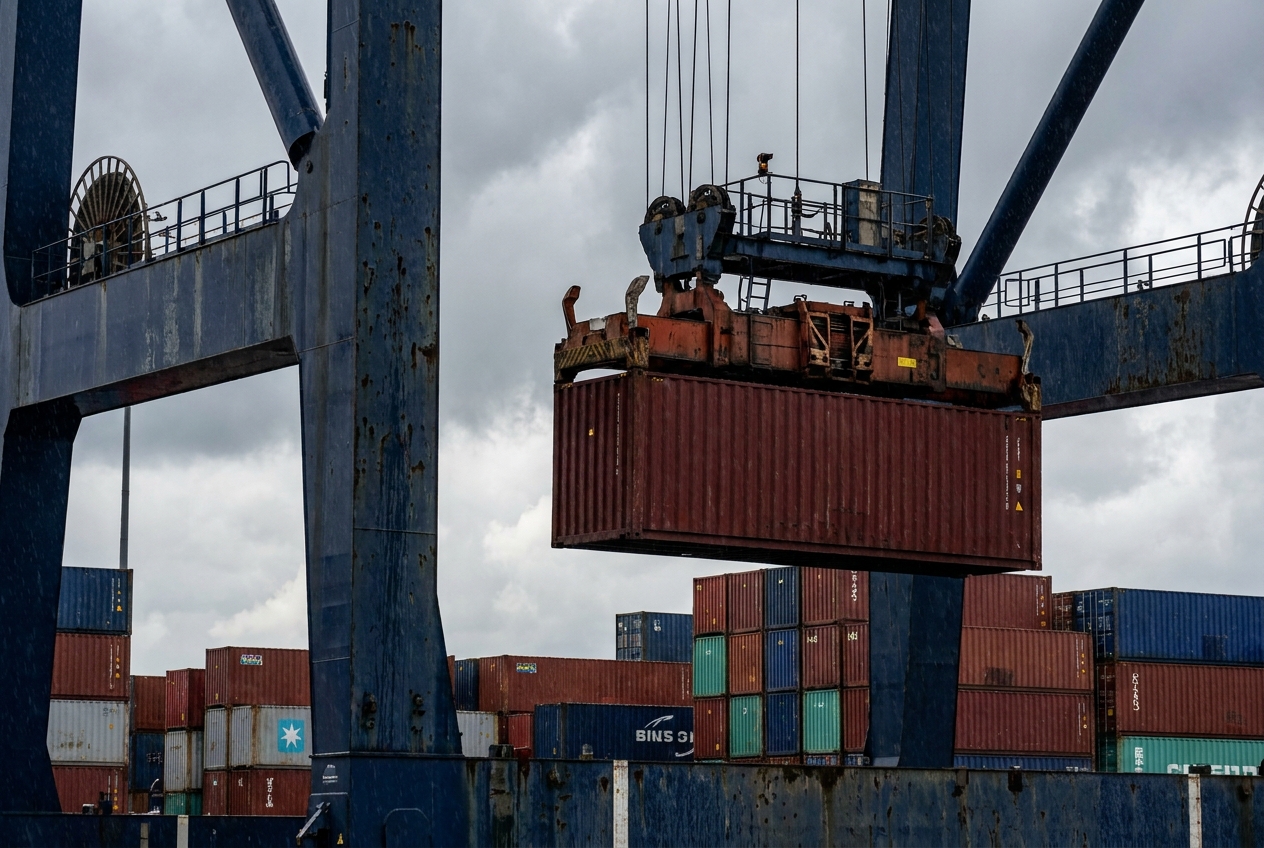
THC is the fee the port or terminal charges to lift, move, and stage your container within the terminal. It is quoted per container and applied at both ends of the trip, so a full door-to-door move typically carries an origin THC and a destination THC as two distinct lines. THC varies by port and by container size, and it is one of the most common surprises on an unbundled quote because shippers see the base rate and forget the box still has to be handled at each terminal.
What are BAF, CAF, and PSS surcharges?
These three are adjustment surcharges that move with market conditions rather than with your specific shipment. BAF, the bunker adjustment factor, tracks the carrier's fuel cost and rises or falls with bunker prices. CAF, the currency adjustment factor, offsets exchange-rate swings on trade lanes billed across currencies. PSS, the peak season surcharge, is added during high-demand stretches, often ahead of major retail seasons, when vessel space tightens. Because all three change over time, a rate quoted this month may carry different surcharge levels next month even on the same lane.
What are documentation and ISF filing fees?
Documentation fees cover producing the bill of lading and related shipping paperwork, usually billed per shipment. ISF, the Importer Security Filing, is a separate and required step for U.S. imports: importers must file specific shipment data with CBP before the container is loaded at the origin port. Your forwarder or customs broker normally files the ISF and charges a per-shipment fee, and late or inaccurate filings can draw penalties from CBP, so treat it as mandatory. You can read the official requirement on the CBP site, and our guide on the documents a customs broker needs covers what to hand over so the filing is clean.
What is a chassis charge?
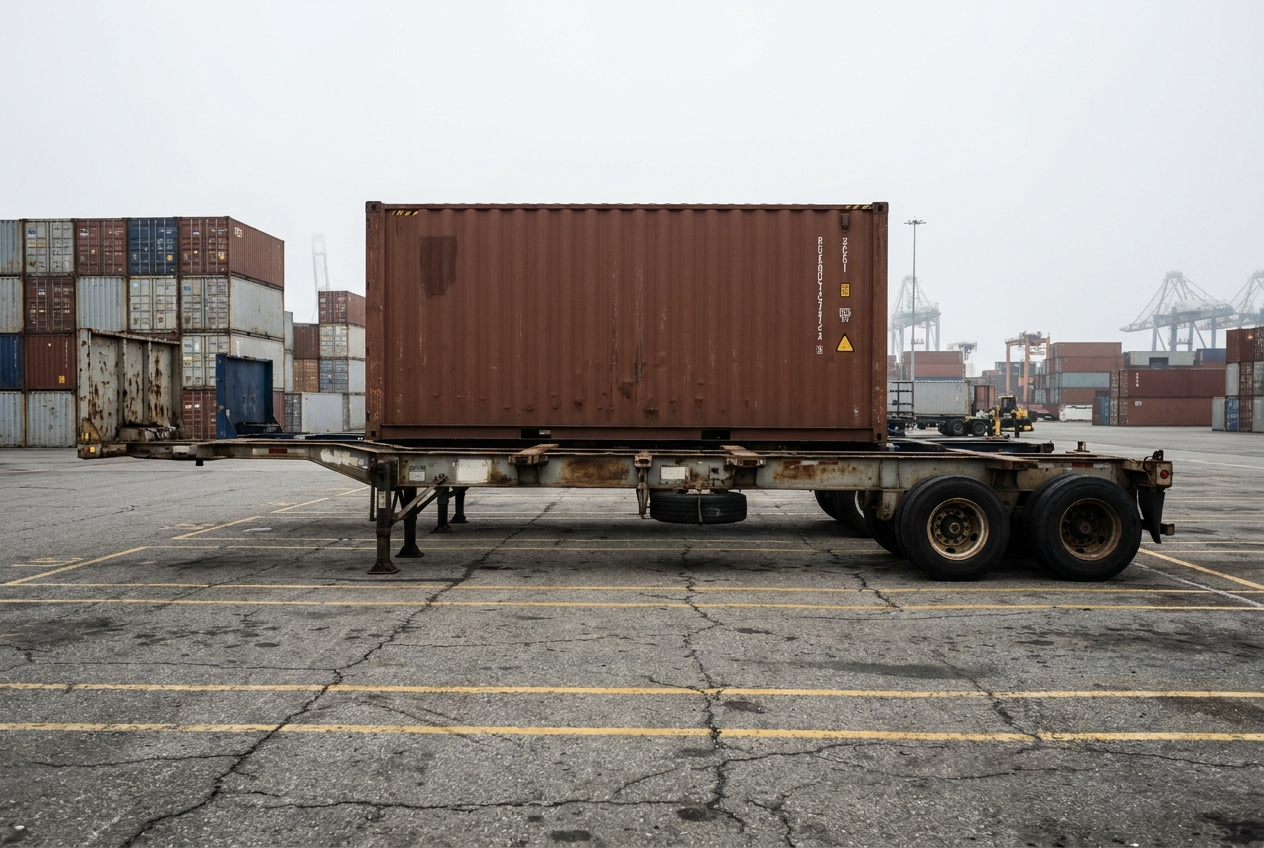
A chassis charge is the cost to rent the wheeled frame that carries the container by road once it leaves the terminal. In many U.S. markets the chassis is not bundled with drayage and is billed per day, so the longer the box stays on the road before it is returned, the more chassis days you pay for. Chassis shortages and split billing at certain ports make this line unpredictable, which is one more reason a quote that looks cheap at the base rate can climb inland. Drayage providers that move containers from port to warehouse are listed under international freight companies in the directory.
How do demurrage and detention become surprise costs?
Demurrage and detention are time-based penalties, not fixed freight charges, and they are the line items most likely to blow up a budget. Demurrage applies when a full container sits inside the terminal past its free time waiting for pickup. Detention applies when you hold the container outside the terminal past its free time before returning it empty. Both start quietly and compound daily, so a container stuck through a customs hold or a warehouse backlog can accumulate charges fast. These are covered as their own topic in detention and demurrage explained, and they behave much like the road-side versions described in our overview of accessorial charges.
Which ocean charges should you expect, and what triggers each?
Not every line appears on every quote, but the ones below are the common ones to scan for. Use it to check that a quote lists what it should and to spot what a low base rate may be leaving out.
| Charge | What it is | What triggers it |
|---|---|---|
| Base ocean rate | Port-to-port movement of the container | Every ocean shipment |
| THC (terminal handling) | Lifting and staging the box at the terminal | Handling at origin and at destination |
| BAF (bunker adjustment) | Fuel-cost surcharge | Bunker fuel price changes |
| CAF (currency adjustment) | Exchange-rate surcharge | Currency swings on the lane |
| PSS (peak season) | High-demand surcharge | Tight vessel space in peak periods |
| Documentation | Bill of lading and paperwork | Every shipment, per bill |
| ISF filing | Security data filed with CBP | U.S. imports, before loading |
| Chassis | Wheeled frame for road transport | Inland moves, billed per day |
| Demurrage | Container idle inside the terminal | Pickup after free time expires |
| Detention | Container held outside the terminal | Empty return after free time expires |
How do you compare ocean freight quotes apples-to-apples?
Normalize the scope before you compare a single dollar figure. Confirm both quotes cover the same origin and destination points, the same container size, and the same list of accessorials, then total the true landed cost rather than the base rate alone. Consider a shipper weighing a broken-out quote with a low base rate against a slightly higher all-in rate: once origin and destination THC, chassis days, documentation, and the ISF fee are added, the cheaper-looking base rate can finish higher than the all-in number. A landed cost calculator helps you stack every line into one comparable total, and the same discipline applies across the wider international freight market when you shortlist providers. Container volumes and trade-lane data tracked by the Bureau of Transportation Statistics can also give context for why surcharges tighten in certain seasons. The rule of thumb: the quote with the lowest base rate is rarely the cheapest once every accessorial is on the table.
Frequently asked questions
What are accessorial charges in ocean freight?
Accessorials are line items added to the base ocean rate for services and conditions beyond simply moving the container port to port. Common ones include terminal handling (THC), fuel and currency adjustments (BAF and CAF), peak season surcharges (PSS), documentation, ISF filing, chassis, and demurrage or detention when a container sits too long.
What is THC on an ocean freight quote?
THC is the terminal handling charge, billed by the port or terminal for lifting, moving, and staging your container at the origin or destination terminal. It is usually quoted per container and charged at both ends, so a full door-to-door move often carries origin THC and destination THC as two separate lines.
Is an all-in ocean rate really all-inclusive?
Not always. An all-in or all-in-one rate usually bundles the base ocean freight plus the predictable surcharges, but it rarely covers charges triggered by your own timing or handling, such as demurrage, detention, chassis overuse, or customs exam fees. Ask exactly which lines are included before you compare it to a broken-out quote.
What is the difference between demurrage and detention?
Demurrage is charged when a full container sits inside the terminal past its free time waiting to be picked up. Detention is charged when you hold the container outside the terminal past its free time before returning it empty. Both are avoidable time-based penalties, not fixed freight costs.
What is an ISF filing fee?
ISF, or Importer Security Filing, is a set of shipment data that U.S. importers must file with CBP before an ocean container is loaded overseas. Your forwarder or customs broker usually files it and charges a per-shipment fee. Late or missing filings can trigger penalties, so it is a required step, not an optional one.
How do I compare two ocean freight quotes fairly?
Normalize them first. Confirm both cover the same origin and destination points, the same container size, and the same list of accessorials, then add up the true landed total rather than comparing base rates. A low base rate with unbundled THC, chassis, and documentation can end up higher than a slightly larger all-in rate.
Ready to compare providers?
Search the directory by service and location, save options to your shortlist, and send a clear RFQ.
Related guides
What Is Freight Audit and Payment?
Freight audit and payment checks every carrier invoice against your contracted rate and the bill of lading, corrects overcharges, pays the carrier, and captures the cost data.
How to Write a Logistics RFP
A section-by-section guide to writing a logistics RFP that gets accurate, comparable quotes from 3PLs, freight brokers, and carriers.
Reverse Logistics: Returns, Recalls, and Recycling
A complete guide to reverse logistics: the backward flow of returns, recalls, repairs, redistribution, recycling, and disposal, plus how to recover value and choose a provider.