
Ecommerce Returns Management for DTC Brands
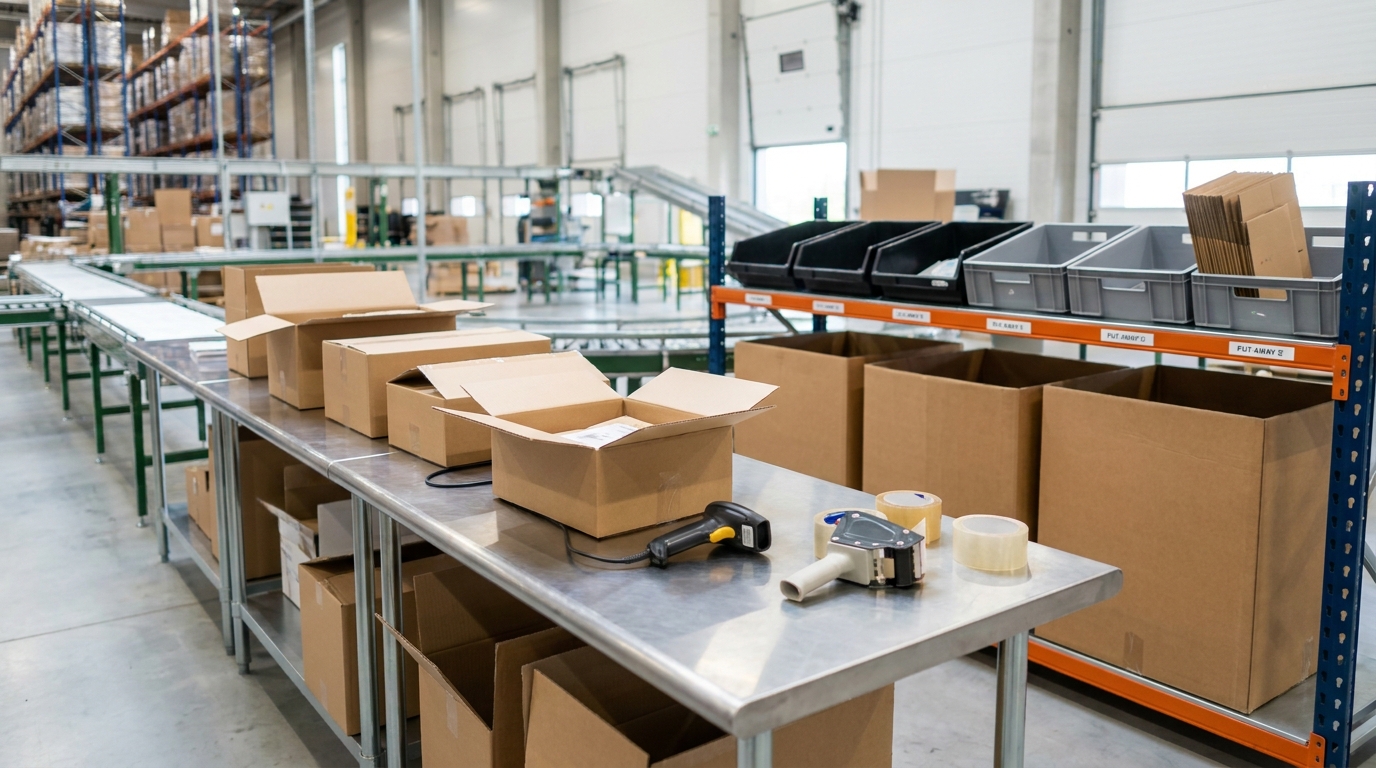
Ecommerce returns are the reverse-logistics process of getting a product back from the customer, deciding what condition it is in, and recovering as much of its value as possible. For a direct-to-consumer brand, a return is not a single refund event; it is a small supply chain that runs backward through authorization, inbound transport, receiving, inspection, and a final disposition decision. Handling that flow well protects margin, keeps sellable inventory accurate, and turns a cost center into recovered value. Handling it badly quietly erodes profit on every order.
Key takeaways
- An ecommerce return moves through five stages: authorization, inbound transport, receiving, inspection, and disposition.
- Disposition is the money decision: restock, refurbish, liquidate, or dispose, ranked from most to least value recovered.
- Return handling usually costs more per unit than the original outbound pick and pack because of inspection, grading, and repackaging labor.
- The biggest hidden cost is not shipping; it is value lost when a resalable item is graded or repackaged too slowly to sell at full price.
- When comparing 3PLs, judge the returns workflow, grading rules, and per-unit fees, not just the outbound rate card.
What is reverse logistics in ecommerce?
Reverse logistics is the movement of goods from the customer back toward the seller, and it is the mirror image of outbound fulfillment. Instead of pick, pack, and ship, you authorize, receive, inspect, and decide. The same warehouse that fulfills your orders can run returns, but the work is different: every unit arrives in unknown condition and has to be individually assessed rather than pulled from a clean shelf. That single fact, uncertainty about condition, is why returns cost more to process per unit and why a defined workflow matters so much. Our reverse logistics guide covers the discipline in full; this article focuses on the DTC returns flow and the decisions that recover value.
What are the steps in the ecommerce returns flow?
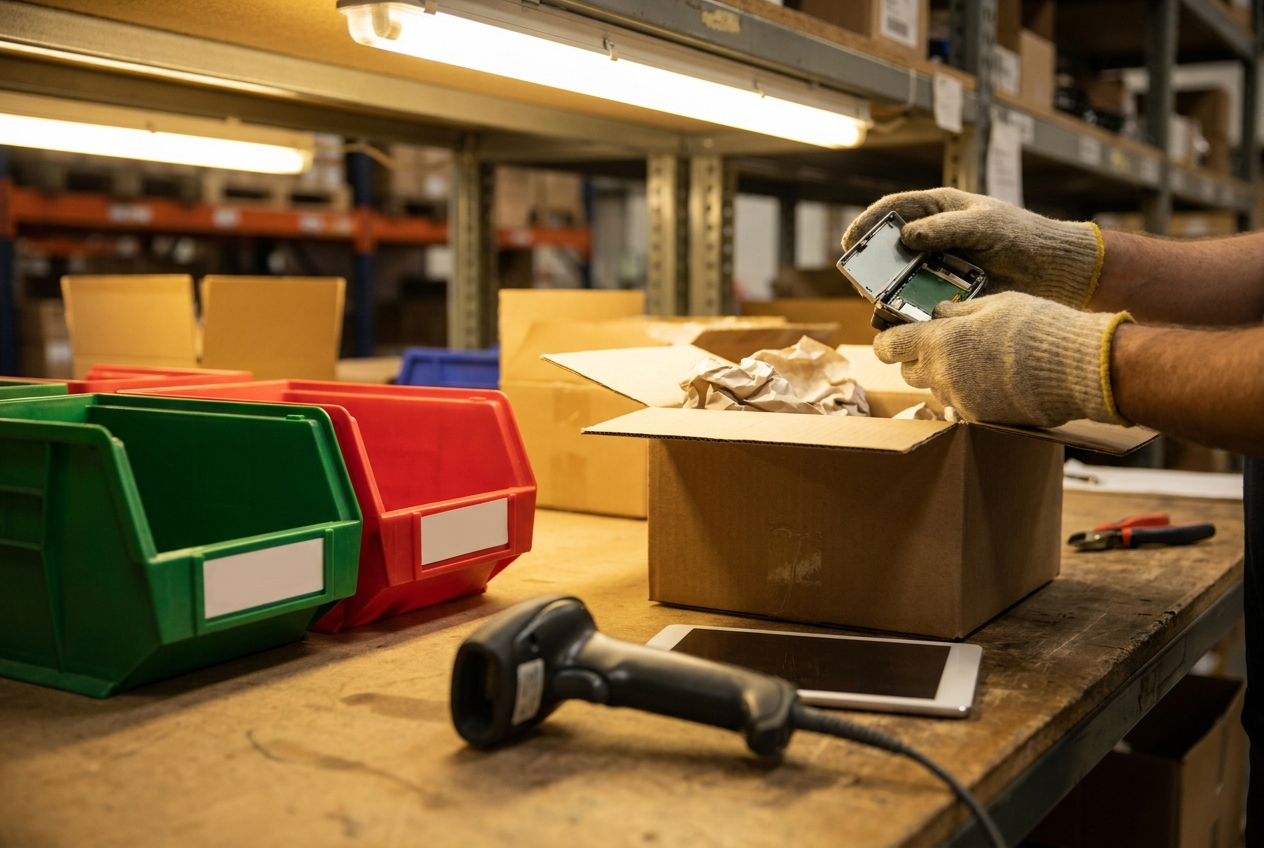
A clean returns process runs through five stages, and each one is a place to save or lose money.
- Authorization. The customer requests a return and receives a return merchandise authorization (RMA) and a label. A good portal captures the return reason here, which is data you will use later.
- Inbound transport. The parcel travels back, usually by parcel carrier, sometimes consolidated if you run return drop-off points. This is a real freight cost you pay whether or not the item is resalable.
- Receiving. The warehouse scans the RMA against the original order and confirms what actually came back. Mismatches (wrong item, missing accessories) surface here.
- Inspection and grading. A worker checks condition against defined criteria and assigns a grade: sellable as new, needs refurbishing, or unsellable.
- Disposition. Based on the grade, the unit is routed to restock, refurbish, liquidate, or dispose.
The stage most brands underinvest in is inspection. Vague grading rules mean either good units get scrapped or damaged units get restocked and shipped back out as a second failed order.
What happens to a returned product?
After inspection, every unit gets a disposition, and that decision determines how much of the original value you keep. The four common outcomes recover value in descending order, from restocking at full price down to paying to dispose of an item.
| Disposition | What happens | Value recovered | Typical trigger |
|---|---|---|---|
| Restock | Item is confirmed sellable as new and returned to pickable inventory | Highest, near full price | Unopened or clearly unused, all components present |
| Refurbish or repackage | Item is cleaned, tested, or re-boxed, then resold as new or open-box | Moderate to high, minus labor | Opened but functional, packaging damaged |
| Liquidate | Item is sold in bulk through a secondary or off-price channel | Low, cents on the dollar | Cannot be sold as new but still usable |
| Dispose or recycle | Item is destroyed or recycled, sometimes a net cost | None or negative | Damaged, expired, hazardous, or unsafe to resell |
The goal of a returns program is to push as many units as possible up this table. A brand that restocks 70 percent of returns runs a very different P&L than one that liquidates the same share, even with identical return rates.
What drives the cost of handling a return?
The cost of a return is rarely just the return-shipping label. It stacks up across several drivers, and per-unit handling often runs a meaningful fraction of the original outbound cost. The main drivers are return freight, receiving and inspection labor, repackaging materials, restocking or put-away, and, largest of all, the value lost when an item drops a grade. A $60 product that gets liquidated instead of restocked has effectively cost you most of its retail value plus the handling on top.
Product characteristics amplify this. Bulky or heavy items carry higher return freight; low-margin items have little cushion to absorb handling; apparel and size-sensitive categories see higher return rates to begin with. Because returns handling is priced per unit alongside your outbound work, it pays to understand it the same way you understand outbound. Our breakdown of pick-and-pack fees and the wider ecommerce fulfillment costs guide show where returns sit in the overall rate card, and a warehouse cost calculator helps model the storage side of items waiting on disposition.
What should you ask a 3PL about returns handling?
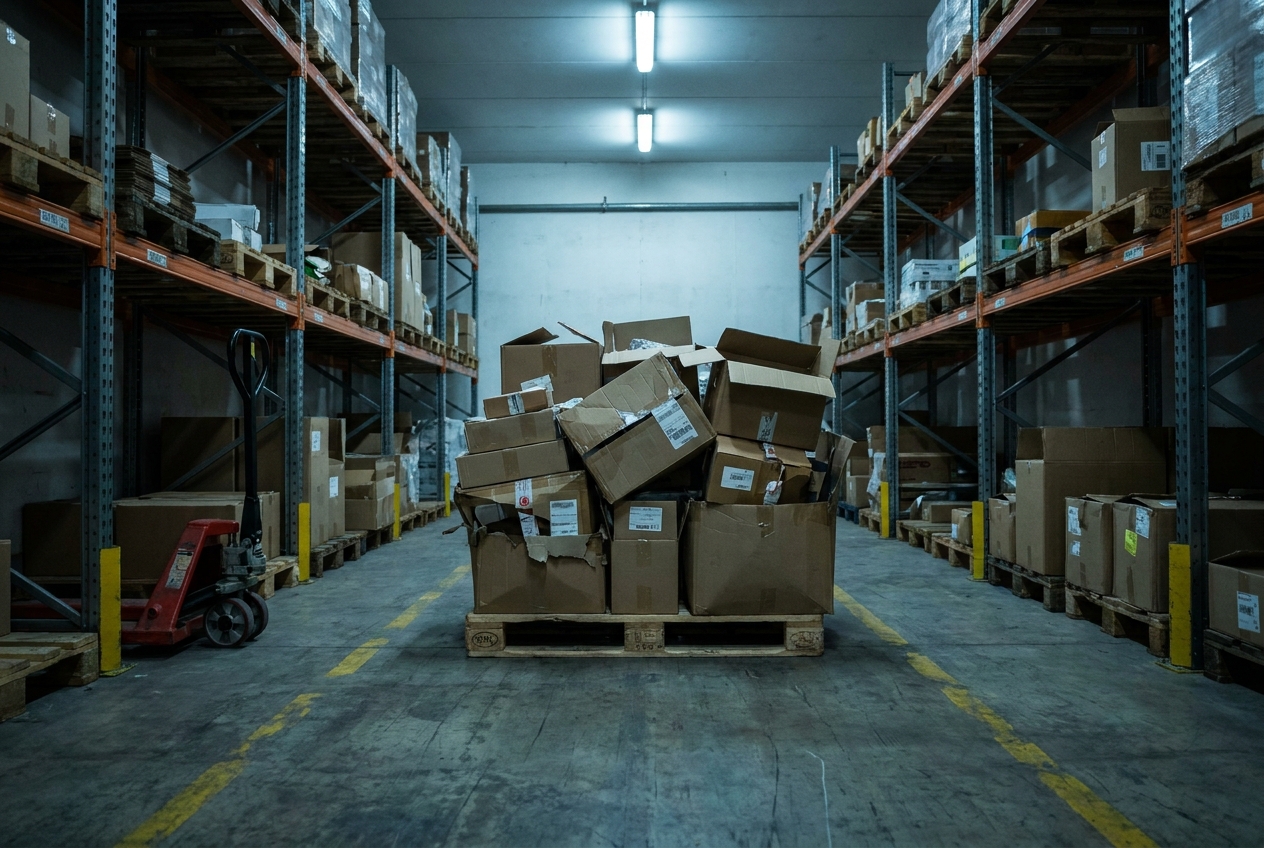
Judge a fulfillment provider on its returns workflow, not just its outbound rate. A 3PL can quote an attractive pick fee and still lose you money if returns pile up ungraded for weeks. Before you sign, ask:
- How do you authorize and receive returns, and do you match every unit back to its original order?
- What are your written inspection and grading criteria, and who sets the sellable threshold, you or us?
- Which disposition options do you support in-house: restock, refurbish, liquidate, dispose?
- What is the per-unit return fee, and what triggers extra charges (repackaging, testing, disposal)?
- How fast does a graded-sellable item get back into pickable inventory?
- How do you report return reasons so we can fix the product or listing at the source?
That last point matters more than any single fee. A provider that hands you clean return-reason data lets you attack the root cause, which is the only durable way to lower returns. If you are still choosing a partner, our guide on how to choose an ecommerce fulfillment provider and the reverse logistics providers directory are the places to start.
How can DTC brands cut return costs?
The fastest wins come from speeding up disposition and reducing avoidable returns, not from squeezing the return-shipping rate. Consider a brand shipping a $50 home-goods item with a 12 percent return rate. If graded-sellable units sit two weeks before restocking, some miss a promotion window and get marked down; if the same units are restocked within 48 hours, they resell at full price. The difference is pure recovered margin, and it comes from workflow speed, not freight negotiation.
Three moves compound: capture the return reason at authorization so you can fix sizing charts or product descriptions; set clear grading rules so borderline units are refurbished rather than dumped into liquidation; and, for imported goods that are returned and re-exported or destroyed, check whether a duty drawback claim through CBP can recover part of the import duty you paid. Small-business owners weighing whether to build this in-house or outsource can also find general planning resources through the SBA. The brands that treat returns as a managed process, with data and a disposition rule set, recover far more value than those that treat every return as a write-off.
Frequently asked questions
What is reverse logistics in ecommerce?
Reverse logistics is the movement of goods from the customer back to the seller: return authorization, inbound transport, receiving, inspection, and a disposition decision (restock, refurbish, liquidate, or dispose). It is the mirror image of outbound fulfillment and usually costs more per unit.
How much does it cost to process an ecommerce return?
There is no single figure, but return handling commonly runs a meaningful fraction of the original outbound cost once you add return shipping, receiving and inspection labor, repackaging, and the value lost when an item cannot be resold at full price. Bulky, low-margin, or damaged items cost the most.
What does disposition mean in returns processing?
Disposition is the decision your 3PL or warehouse makes about each returned unit after inspection. The common outcomes are restock to sellable inventory, refurbish or repackage, liquidate through a secondary channel, or dispose or recycle. The disposition rule set determines how much value you recover.
Should DTC brands handle returns in-house or use a 3PL?
Small return volumes are often manageable in-house, but once inspection and grading become a daily task, a 3PL with a defined returns workflow usually recovers more value and frees your team. The trade-off is per-unit handling fees versus the labor and restock accuracy you would carry yourself.
What should I ask a 3PL about returns handling?
Ask how they authorize and receive returns, their inspection and grading criteria, the disposition options they support, per-unit return fees, how fast a sellable item is restocked, and how they report on return reasons so you can fix the root cause.
Can I recover duty on returned imported goods?
In some cases yes. When imported goods are returned and then re-exported or destroyed under customs supervision, a duty drawback claim through CBP may recover part of the import duty paid. The rules are specific, so confirm eligibility before assuming the recovery.
Ready to compare providers?
Search the directory by service and location, save options to your shortlist, and send a clear RFQ.
Related guides
Subscription Box Fulfillment: What to Ask a 3PL
How subscription box fulfillment differs from standard ecommerce, the batch and kitting challenges that trip brands up, and the exact questions to ask a 3PL before you move.
Dropshipping vs Holding Inventory in a 3PL
Dropshipping vs 3PL fulfillment compared on margin, speed, control, branding, and risk, with a decision table and a hybrid model that uses both.
What Is a SKU? SKU vs UPC, ASIN, and FNSKU
A SKU is your own internal code for a product. Here is how it differs from a UPC, ASIN, and FNSKU, and how to structure SKUs that keep inventory accurate.