
What Is a TMS (Transportation Management System)?

A transportation management system (TMS) is software that plans, executes, and settles the movement of freight, so a shipper can compare carrier rates, build routes, tender loads, track shipments, and audit freight invoices from one place instead of juggling spreadsheets and carrier portals. It sits between your order data and your carriers, turning each shipping decision into a repeatable workflow. For a growing shipper, a TMS is the difference between guessing at the cheapest lane and knowing it.
Key takeaways
- A TMS handles five core jobs: rate shopping, routing, tendering, tracking, and freight audit.
- A TMS is not a WMS (which runs the warehouse) or an ERP (which runs the business); they connect but do different work.
- Many small shippers do not need their own TMS; a broker's or 3PL's system covers them until volume grows.
- The breakpoint is when manual carrier selection and invoice checking cost more time and money than the software.
- Buying a TMS gives control and data ownership; outsourcing to a 3PL trades some control for less overhead.
What does a transportation management system do?
A TMS covers the full life of a shipment, from picking a carrier to paying the invoice. Most platforms cluster their work into five functions, and understanding them is the fastest way to judge whether you need one.
- Rate shopping. The system pulls contracted and spot rates from your carriers and ranks them for a given lane, weight, and service level, so you can see the real cost trade-off before booking. If you are still reading these numbers off a carrier PDF, our guide on how to read a freight quote breaks down what each line means.
- Routing and consolidation. It groups orders into efficient loads, decides between LTL and truckload, and can flag when combining shipments beats sending them separately.
- Tendering. Once a carrier is chosen, the TMS offers the load to that carrier electronically and rolls to the next option if it is declined, replacing a chain of phone calls and emails.
- Tracking. It collects status updates and location data so you and your customers can see where freight is without calling the carrier.
- Freight audit. It compares each carrier invoice against the agreed rate and accessorials, catching overbilling before you pay. This is where a TMS often pays for itself, and it is the focus of our companion guide on what a freight audit is.

How is a TMS different from a WMS and an ERP?
A TMS manages freight in motion between locations; a WMS manages goods at rest inside a building; an ERP runs the wider business. They share data but solve different problems, and confusing them is the most common reason shippers buy the wrong tool.
| System | What it manages | Core jobs | Who owns it |
|---|---|---|---|
| TMS | Freight moving between locations | Rate shopping, routing, tendering, tracking, freight audit | Logistics or transportation team |
| WMS | Goods inside the warehouse | Receiving, putaway, picking, packing, inventory counts | Warehouse operations |
| ERP | The whole business | Finance, purchasing, order management, master inventory | Finance and IT |
In practice the three connect: the ERP holds the order, the WMS gets it packed and onto the dock, and the TMS decides which carrier moves it and confirms the invoice was correct. An ERP may include a basic transportation module, but it rarely matches a dedicated TMS on multi-carrier rate shopping or automated freight audit.
When does a shipper actually need its own TMS?
You need a TMS when the manual work of choosing carriers, tendering loads, and checking invoices starts costing more than the software would. There is no single volume threshold, but a few signals point to it clearly.
- You ship across several carriers and modes and can no longer eyeball the cheapest option.
- Someone spends hours each week rekeying shipments or reconciling freight invoices by hand.
- You are missing billing errors, or customers are asking for tracking you cannot easily provide.
- You want to own your freight data and carrier relationships rather than see them through a broker's portal.
If none of those apply, a TMS is likely premature. A shipper sending a handful of loads a week through one or two carriers usually gets more value from tightening its process than from new software.
Can you just use a broker's or 3PL's TMS?
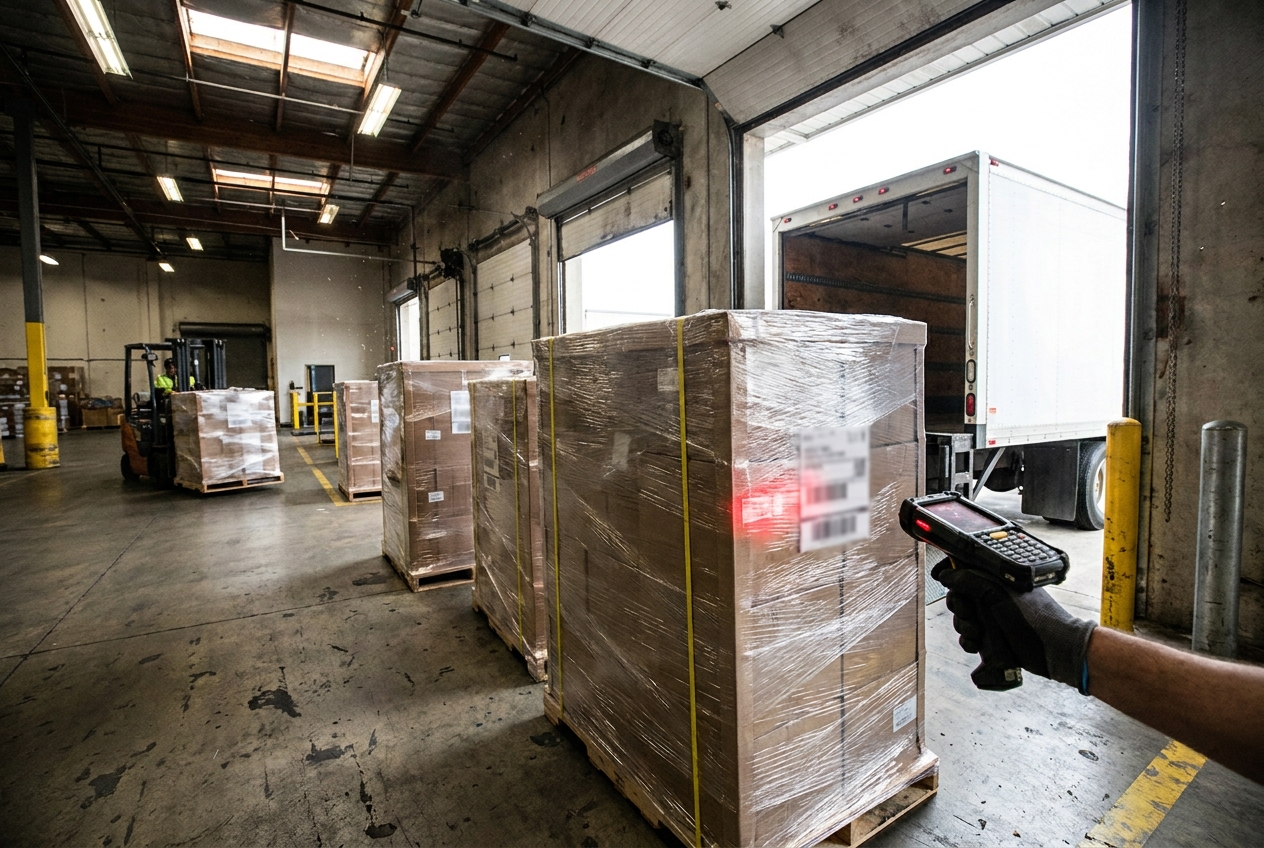
Yes, and many shippers do. Freight brokers and third-party logistics providers run their own transportation management systems and give customers a portal to quote, book, and track shipments, so you get most of a TMS without buying one. You can compare providers that offer this on our freight brokerage directory, and our guide on how to choose a freight broker covers what to vet before you rely on their system.
The trade-off is ownership. On a broker's TMS, the rates, carrier relationships, and historical data live inside their platform, not yours. That is fine while they are competitive, but it makes switching harder and gives you less leverage in negotiations. Before leaning on any provider's system, confirm the underlying carriers hold active operating authority through the FMCSA.
Should you buy a TMS or outsource transportation?
Buy your own TMS when you want to control routing, own your freight data, and have the volume to justify the license and the staff to run it. Outsource to a 3PL when you would rather trade some of that control for less overhead and lean on their existing system, carrier base, and buying power.
| Factor | Own TMS | Broker or 3PL-provided TMS |
|---|---|---|
| Control over routing | Full | Shared or limited |
| Freight data ownership | Yours | Lives with the provider |
| Upfront effort | Implementation and staffing | Minimal; use their portal |
| Carrier buying power | Your own rates | Their pooled volume |
| Best fit | Higher, steady volume | Lower or variable volume |
The two are not mutually exclusive. A common setup is a light TMS for lanes you run often, with a 3PL handling overflow, specialized modes, or regions where you lack carrier coverage. If you are still deciding what a 3PL brings, our explainer on what a 3PL is lays out the model.
What does a TMS cost?
TMS pricing varies too widely to quote a single number, but it usually follows one of a few models. Cloud platforms tend to charge a monthly subscription, sometimes with a per-shipment fee or a small percentage of freight spend, while larger enterprise systems add one-time implementation and integration costs. Judge any quote against the hours it removes, not the sticker price alone.
Whatever the model, the honest way to compare is on total cost of ownership: subscription plus implementation plus the staff time to run it, weighed against the manual work and billing errors it eliminates. National shipment-cost trends published by the Bureau of Transportation Statistics can help you sanity-check whether your freight spend is large enough to warrant the investment.
A worked example: when the math flips
Say a growing ecommerce brand ships about 40 LTL loads a week across four carriers. One coordinator spends roughly a day and a half each week rate shopping in spreadsheets and reconciling invoices by hand, and the brand quietly eats a share of the accessorial charges it never checks. At that point the manual cost, in labor plus missed billing errors, starts to rival a mid-range cloud TMS subscription.
Automating rate selection, tendering, and freight audit frees most of that coordinator's time and catches the overbilling, so the software effectively pays for itself while the brand keeps its own carrier data. A shipper at four loads a week would not see the same return, which is exactly why the need for a TMS tracks volume and process pain, not company size.
How to decide what you need
Start by counting the manual hours your team spends choosing carriers, tendering, tracking, and checking freight invoices, then price what a broker or 3PL portal already gives you for free. If that covers you, keep using it and revisit as volume grows. If the manual work is clearly costing more than a subscription, and you want to own your freight data, a standalone TMS is worth quoting. Either way, compare real providers side by side in the National Freight Hub directory before you commit.
Frequently asked questions
What does a TMS do?
A transportation management system handles five core jobs: rate shopping across carriers, building routes and consolidating loads, tendering shipments to carriers, tracking freight in transit, and auditing carrier invoices against agreed rates. It turns each shipping decision into a repeatable, data-backed workflow instead of a manual one.
What is the difference between a TMS and a WMS?
A TMS manages freight moving between locations: rates, carriers, tendering, and tracking. A warehouse management system (WMS) manages what happens inside the four walls: receiving, putaway, picking, packing, and inventory. They connect at the dock, but a TMS decides how goods move and a WMS decides how goods are stored and handled.
Do I need a TMS if I use a freight broker or 3PL?
Often no. Brokers and third-party logistics providers run their own transportation management systems and give shippers a portal for quoting, booking, and tracking. Many small and mid-size shippers rely on that system until volume, carrier count, or the need to own their own freight data justifies a standalone TMS.
How much does a TMS cost?
Pricing varies widely by model. Cloud TMS platforms commonly charge a monthly subscription, sometimes with a per-shipment or percentage-of-freight-spend component, while enterprise systems add implementation fees. The honest answer is that quotes depend on shipment volume, modes, and integrations, so compare on total cost against the manual hours a TMS removes.
Is a TMS the same as an ERP?
No. An enterprise resource planning (ERP) system runs finance, orders, and inventory across the whole business. A TMS is a specialist tool for transportation that usually feeds cost and shipment data back into the ERP. Some ERPs include a light transportation module, but it rarely matches a dedicated TMS on rate shopping and freight audit.
Should I buy a TMS or outsource transportation to a 3PL?
Buy when you want to own carrier relationships, freight data, and routing logic, and you have the volume to justify the software and staff. Outsource to a 3PL when you would rather trade some control for less overhead and lean on their existing TMS, carrier base, and buying power. Many shippers do both, running a light TMS while a 3PL handles specific lanes.
Ready to compare providers?
Search the directory by service and location, save options to your shortlist, and send a clear RFQ.
Related guides
What Is Freight Audit and Payment?
Freight audit and payment checks every carrier invoice against your contracted rate and the bill of lading, corrects overcharges, pays the carrier, and captures the cost data.
How to Write a Logistics RFP
A section-by-section guide to writing a logistics RFP that gets accurate, comparable quotes from 3PLs, freight brokers, and carriers.
Reverse Logistics: Returns, Recalls, and Recycling
A complete guide to reverse logistics: the backward flow of returns, recalls, repairs, redistribution, recycling, and disposal, plus how to recover value and choose a provider.